Overview
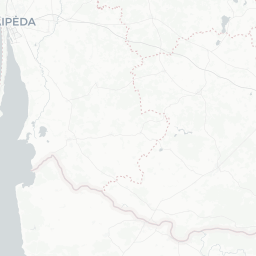
Kaliningrad is a city of roughly 475,000 people on the southeastern coast of the Baltic Sea, forming Russia's westernmost territory. It is an exclave — physically separated from mainland Russia and bordered by Poland to the south and Lithuania to the north and east. This unusual geography has shaped the city's character in profound ways.
The city was founded in 1255 as Königsberg by the Teutonic Knights and remained one of the most important cities of Prussia for centuries. Philosopher Immanuel Kant was born, lived, and died here, and the city was famously associated with the mathematical puzzle of the Seven Bridges of Königsberg. After World War II, it was transferred to the Soviet Union, renamed Kaliningrad, and heavily rebuilt following wartime destruction.
Today the city presents a layered urban landscape: medieval ruins and Gothic brick churches sit alongside Soviet-era apartment blocks and a growing stock of post-Soviet commercial development. Visitors come for the amber — the region produces the majority of the world's known amber reserves — for the Baltic coast beaches nearby, and for a history that spans German Prussia, the Soviet period, and contemporary Russia.
Because of its exclave status and proximity to EU member states Poland and Lithuania, Kaliningrad has historically attracted cross-border visitors and has a slightly different atmosphere from Russian cities further east. English is not widely spoken, so some preparation is worthwhile.
Before You Go
Visas and Entry
Kaliningrad is part of the Russian Federation, and entry requirements are the same as for Russia generally. The geopolitical situation as of the mid-2020s has significantly affected travel practicalities, including flight availability, banking access for foreign cards, and overland transit options through EU countries. Check TravelerPulse's Visas section and the official website of the Russian Ministry of Foreign Affairs for current requirements applicable to your nationality. Many nationalities require a visa obtained in advance.
Overland Transit Considerations
Travel between Kaliningrad and mainland Russia by land requires crossing Lithuania and/or Belarus, or using the sea route via ferry. Overland transit arrangements have been subject to restrictions and political sensitivity — verify the current situation carefully before planning your route. Flying via Russian hub airports (where available) is often the most straightforward option.
Banking and Cards
As of recent years, major international payment card networks (Visa, Mastercard) have suspended operations in Russia. Carry sufficient cash in rubles, which you may need to obtain before arrival or at currency exchange points within the country. Verify the current situation before travel, as it may change.
Travel Advisories
Many governments have issued travel advisories relating to Russia. Check your national government's official travel advice before booking.
Getting There
By Air
Khrabrovo Airport (KGD) is Kaliningrad's international airport, located approximately 24 km north of the city centre. Domestic flights connect Kaliningrad to Moscow, St. Petersburg, and other Russian cities. International connectivity has been substantially reduced since 2022; verify currently available routes before planning. Airport transfers to the city centre are available by taxi or public bus — confirm options and approximate fares locally or on arrival.
By Sea
A passenger and vehicle ferry service has historically operated between Baltiysk (near Kaliningrad) and Baltic ports including Ust-Luga (Russia). This provides a route between Kaliningrad and mainland Russia without crossing EU territory. Schedules, fares, and availability change — check with ferry operators directly before travel.
By Rail and Road
Train and bus routes to mainland Russia pass through Lithuania and, depending on the route, Belarus. Transit visa and permit requirements for crossing EU member Lithuania have been subject to significant restrictions for Russian-bound transit. This option requires careful and up-to-date research well ahead of travel.
Getting Around
Kaliningrad has a functional public transport network of buses, trams, and trolleybuses covering the city and connecting to surrounding towns. Trams in particular are a historic and practical way to move around central areas. Fares are paid on board; verify current fare levels locally.
Taxis are widely available and relatively affordable by Western European standards. Ride-hailing apps popular in Russia (such as Yandex Go) operate in the city and are generally more convenient than hailing a cab on the street, as they display fares in advance.
The city centre and the area around Fish Village and the Cathedral Island are walkable. To reach coastal towns such as Svetlogorsk or Zelenogradsk, suburban trains (elektrichka) and buses depart from the central railway station — a practical and scenic option.
Things to See & Do
History and Culture
- Königsberg Cathedral (Kaliningrad Cathedral): The restored 14th-century Gothic cathedral on Kant Island (Kneiphof) is the city's most iconic landmark. It houses the tomb of Immanuel Kant and a museum. Verify opening hours and admission fees on-site or via the cathedral's official resources.
- Museum of the World Ocean: A well-regarded museum on the river embankment featuring moored historic vessels including a submarine and a research ship, alongside indoor exhibition halls covering oceanography and maritime history.
- Amber Museum: Housed in a 19th-century Prussian tower (Dohna Tower), this museum traces the geology, history, and craft uses of Baltic amber. The region's amber is a defining local product.
- Kaliningrad Historical and Art Museum: Covers the city's layered history from its Prussian founding through the Soviet period.
- Friedland Gate and other city gates: Several of Königsberg's 19th-century defensive gates survive and have been repurposed as museums or cultural spaces. The Friedland Gate is among the most atmospheric.
Outdoor and Coastal
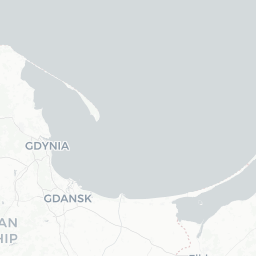
- The Curonian Spit (Kurshskaya Kosa) — a UNESCO World Heritage Site shared with Lithuania — is a narrow sand dune peninsula stretching into the Baltic Sea. Day trips from Kaliningrad are popular; the Russian section has its own national park with marked trails and beaches.
- Zelenogradsk and Svetlogorsk are Baltic resort towns reachable by suburban train in under an hour, with beaches and early 20th-century seaside architecture.
Day Trips
The town of Baltiysk (formerly Pillau) has Prussian-era fortifications and is Russia's westernmost point accessible to visitors, though some areas near the naval base are restricted.
Food & Drink
Kaliningrad's food scene reflects its geography and history. Local restaurants serve standard Russian cuisine alongside dishes with a Germanic or Baltic influence. Pork, potatoes, and hearty soups feature prominently. The Baltic Sea location means smoked and fresh fish — particularly sprats, flounder, and cod — appear frequently on menus.
The city has a growing café culture, and the Fish Village (Rybny Derevnya) development on the riverside has a concentration of restaurants and cafés in a reconstructed 'old town' setting. Quality and price vary; it caters noticeably to tourists but is a convenient area to eat.
Amber-coloured local beer and imported Baltic beers are commonly available. Kvass (a fermented rye drink) is sold from street kiosks in warmer months. Coffee culture is well established in central Kaliningrad, with independent cafés alongside chain outlets.
Kaliningrad amber jewellery aside, local food souvenirs worth considering include smoked sprats and regional honey. Local markets, such as the Central Market, give a more authentic view of everyday food than the tourist-facing areas.
Shopping
Amber is the defining souvenir of the region. Kaliningrad Oblast produces the vast majority of the world's accessible amber, and the city has no shortage of amber jewellery shops ranging from tourist-market stalls to proper jewellers. Quality and price vary enormously — be cautious of very cheap pieces, which may be synthetic resin. Reputable jewellers will generally provide documentation of authenticity.
The Amber Museum gift shop and established jewellery boutiques in the city centre are generally safer bets for quality than unsolicited street vendors. The weekly and daily markets (including the Central Market) sell food, household goods, and local produce and are worth a browse for everyday local life.
Shopping malls have expanded in Kaliningrad in recent years and carry Russian and some international brands. Importation restrictions following 2022 sanctions have reduced the range of Western goods available.
Practical Information
Language
Russian is the only language in widespread use. Latin-script signage is limited, though some tourist sites have English labels. Learning Cyrillic script basics and a handful of Russian phrases will make navigation significantly easier. Translation apps with offline capability are useful.
Emergency Numbers
In Russia, the main emergency numbers are: 112 (general emergency), 101 (fire), 102 (police), 103 (ambulance). Verify these are current on arrival.
Internet and Connectivity
Mobile data is widely available. Check with your home operator about international roaming, or purchase a local SIM card on arrival. Note that some foreign internet services and apps may be restricted in Russia — a VPN (downloaded before arrival) may be needed for access to certain platforms.
Medical
Standard travel health precautions apply. Carry any prescription medication you require, with documentation. Travel insurance that includes medical evacuation is strongly recommended given the complexity of accessing care as a foreign visitor.
Time Zone
Kaliningrad operates on UTC+2 year-round, which is one hour behind Moscow time and is notably the same time as much of Central Europe, an unusual situation for a Russian city.
Safety
Kaliningrad is generally a safe city for visitors in terms of everyday street crime, with similar precautions applicable as in any mid-sized European city: be aware of your surroundings, keep valuables secure, and avoid poorly lit areas at night.
The broader context of travel to Russia requires attention. Many Western governments currently advise against all or non-essential travel to Russia due to the ongoing conflict in Ukraine, unpredictable legal environment for foreign nationals, and limited consular access in some circumstances. Dual nationals and citizens of countries with strained diplomatic relations with Russia face heightened uncertainty. Consult your government's official travel advisory before making any decisions.
Local law should be respected carefully. Russian law on public behaviour, photography of certain infrastructure, and political expression differs significantly from Western European norms — research what restrictions apply before your visit.
Local Culture & Etiquette
Kaliningrad occupies a culturally layered position unlike almost anywhere else in Russia. The city was Königsberg for nearly 700 years before 1945, and the physical remnants of that era — the cathedral, the gates, the fort network, and occasional surviving pre-war streets — coexist with Soviet urban planning and post-Soviet development. Locals have varying relationships with this layered identity; there has been growing public interest in the Prussian past since the 1990s.
Immanuel Kant is a significant cultural touchstone. The philosopher's tomb at the cathedral is maintained with some ceremony, and the city's main university was renamed Immanuel Kant Baltic Federal University. Scholarly connections to European philosophy are taken seriously.
Russian social customs apply: greetings are generally formal until familiarity is established; removing shoes when entering a private home is customary; public displays of intoxication are frowned upon. Tipping is not obligatory but is appreciated in restaurants, typically 10% for good service.
The amber trade has deep cultural significance — it is not merely a tourist product but part of the regional identity, linked to the Baltic coast and the area's economic history.