Overview
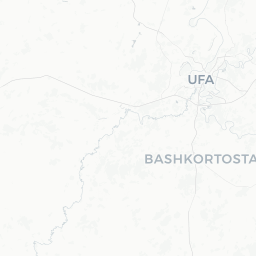
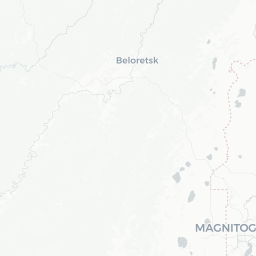
Ufa is a city of just over one million people spread across a broad peninsula where the Belaya (Agidel) and Ufa rivers meet in the southern Ural foothills. As the capital of the Bashkortostan Republic, it is the political, cultural, and economic centre of one of Russia's most ethnically distinct federal subjects, home to Bashkir, Tatar, and Russian communities alongside many others.
The city's skyline mixes Soviet-era administrative blocks with newer commercial towers and older 19th-century merchant buildings, reflecting a layered history that stretches from a 16th-century Russian fortress built on the site of earlier Bashkir settlements. Ufa hosted the BRICS and SCO summits in 2015, which prompted significant investment in infrastructure and public spaces.
For travelers, Ufa offers a relatively authentic Russian provincial capital experience with a distinct Bashkir cultural layer — museums, mosques, cuisine based on horse meat and honey, and a population that takes genuine pride in its regional identity. It is not a heavily touristed city, which means fewer crowds and a more local atmosphere than Moscow or St. Petersburg.
Before You Go
Visas
Entry requirements for Russia vary significantly by nationality and are subject to change. Check TravelerPulse's Visas section for the latest guidance and consult the official Russian immigration authority or your nearest Russian consulate before booking.
Practical timing
Ufa sits in a continental climate zone. Winters (November–March) are cold and snowy, with temperatures regularly dropping below −15 °C. Summers (June–August) are warm, often reaching 25–30 °C, though July can bring heavy thunderstorms. Spring and early autumn offer comfortable walking weather and are good times to explore the riverfront parks.
Health and connectivity
No destination-specific vaccinations are required, but verify current recommendations with a travel health clinic before departure. Mobile coverage (4G) is generally solid in the city centre. International roaming charges can be high; consider a local SIM card if staying more than a few days — verify locally which providers offer tourist-friendly plans.
Money
ATMs are widely available in the city centre and in large shopping malls. International card acceptance has become less predictable due to sanctions; carry sufficient cash rubles. Verify your bank's current Russia policy before travel.
Getting There
By air
Ufa International Airport (UFA) is located roughly 25–30 km south of the city centre. It handles domestic routes connecting Ufa to Moscow, St. Petersburg, and other Russian cities. International connectivity is limited; verify current routes and any transit restrictions on the official airport website or with your airline before booking.
By rail
Ufa railway station sits on a major Trans-Siberian branch line and has direct train connections to Moscow (approximately 24–28 hours), Yekaterinburg, Kazan, and other regional cities. Overnight sleeper trains are a practical option for reaching neighboring cities. Check schedules and book tickets on the Russian Railways website or at the station.
By road
Ufa is accessible by long-distance bus from regional cities including Kazan, Orenburg, and Chelyabinsk. Journey times and schedules vary; verify locally.
Getting Around
Ufa has an extensive public transport network of trams, trolleybuses, and buses covering most of the city. The network is affordable but schedules and route maps are primarily in Russian; the 2GIS app (widely used in Russian cities) is a reliable tool for navigating routes and stops.
Taxis are readily available through local ride-hailing apps, which are more cost-effective than hailing cabs on the street. Verify which apps are currently operational in Ufa at the time of travel, as the market has shifted in recent years.
The city is quite spread out across its river-peninsula geography, so walking between major sites can involve long distances. Many visitors combine trams or trolleybuses for cross-city travel with walking to explore specific neighborhoods. There is no metro system.
Things to See & Do
Museums and monuments
- National Museum of the Republic of Bashkortostan — The city's principal history and ethnography museum, covering Bashkir culture, regional archaeology, and natural history. Verify current hours and admission fees on the official site before visiting.
- Nureyev House-Museum — A small museum in a reconstructed house dedicated to Rudolf Nureyev, the legendary ballet dancer born near Ufa in 1938. A place of genuine local pride.
- Monument to Salavat Yulaev — One of the largest equestrian statues in Russia, this bronze monument to the Bashkir national hero stands on a bluff above the Belaya River and offers sweeping views of the river valley. Free to visit and a short walk from the city centre.
- National Art Museum of the Republic of Bashkortostan — Houses Russian and Bashkir fine art, including works by Mikhail Nesterov, a painter born in Ufa.
Parks and nature
- Aksakov Park (Pushkin Park) — A central green space suitable for an afternoon walk.
- Riverfront promenades — The embankments along the Belaya River provide views of the surrounding landscape; the area near the Salavat Yulaev monument is particularly scenic.
- The wider Bashkortostan Republic is known for outdoor recreation including the Southern Urals, cave systems (notably Shulgan-Tash/Kapova Cave), and river rafting — day trips or longer excursions are possible from the city.
Cultural venues
- The Bashkir State Opera and Ballet Theatre is one of the oldest opera houses in the region; performances are in Russian and Bashkir. Check the current season program and ticket availability locally or on the theatre's official website.
Food & Drink
Bashkir cuisine
Bashkir food is distinct from standard Russian fare and worth seeking out deliberately. Key dishes and products include:
- Beshbarmak — Boiled meat (often horse or lamb) served over flat noodles, a traditional celebratory dish shared across Turkic cultures.
- Kazy — Cured horse-meat sausage, considered a delicacy.
- Qorot (kurt) — Dried sour-milk cheese balls, a traditional snack.
- Bashkir honey — The republic is one of Russia's most celebrated honey-producing regions; look for it at markets and specialty food shops. Linden and buckwheat varieties are common.
- Kumiss (qымыз) — Fermented mare's milk, a traditional drink available seasonally.
Dining options
The city centre has a range of restaurants covering Bashkir and Russian cuisine, as well as Central Asian (Uzbek and Tatar) food, which reflects the regional demographic mix. Cafés serving European-style coffee and pastries are found throughout the centre. Prices are generally lower than in Moscow or St. Petersburg. Verify specific restaurant hours and current operations locally, as the dining scene changes.
Markets
Local bazaars and food markets are good places to sample regional honey, dried meats, and dairy products at reasonable prices. Ask locally for the nearest rынок (rynok, market) to your accommodation.
Shopping
Ufa has several large shopping malls in and around the city centre carrying standard Russian and international retail chains. For more distinctive purchases, focus on locally produced items:
- Bashkir honey — Available in specialty shops, markets, and at some airport retail outlets. It makes a practical and authentic souvenir.
- Handicrafts — Traditional Bashkir embroidery, woodwork, and felt goods can be found at the National Museum gift shop and some souvenir stalls.
- Kumiss and dairy products — Best purchased at markets for immediate consumption rather than as a carry-home gift.
The central pedestrian street (ulitsa Lenina and surrounding area) has the highest concentration of shops and cafés within walking distance.
Practical Information
Emergency contacts
Verify all emergency numbers locally upon arrival. Russia's general emergency number is 112 (works from mobile phones). Police: 102, ambulance: 103, fire: 101.
Language
Russian is the working language for nearly all practical interactions. Bashkir is spoken in the community but signage is typically in Russian. English is not widely spoken outside hotels and some tourism-facing businesses; having a translation app (usable offline) is advisable.
Internet access
Public Wi-Fi is available in cafés, malls, and some public spaces. Note that access to certain Western websites and services may be restricted within Russia; verify the current situation before travel.
Medical facilities
Ufa has public hospitals and private clinics. Quality and English-language capacity varies; comprehensive travel health insurance with medical evacuation coverage is strongly recommended. Carry adequate supplies of any prescription medications, as specific brands may not be available.
Safety
Ufa is a relatively calm city by the standards of a Russian regional capital. Routine urban precautions apply: be aware of your surroundings, keep valuables secure, and avoid poorly lit areas late at night.
Traffic is heavy and pedestrian crossings are not always observed by drivers; cross at designated crosswalks and verify that vehicles are stopping before proceeding.
Foreign visitors should be aware that the broader geopolitical situation affecting Russia since 2022 has implications for travel, including potential difficulties with banking, communications, and consular assistance. Check your government's current travel advisory for Russia before booking — advisories vary significantly by nationality and change frequently.
Local Culture & Etiquette
Ufa is the most culturally distinct of Russia's large regional capitals owing to the strong Bashkir and Tatar presence. Islam has been practiced in the region for centuries and a notable proportion of the population is Muslim; visitors will see mosques, hear the call to prayer, and encounter halal food options throughout the city. Alcohol is available but not universal — this is worth bearing in mind when selecting restaurants.
Bashkirs have a tradition of oral poetry, music (the qurai, a traditional wind instrument, is a regional symbol), and equestrian culture. The Salavat Yulaev monument reflects how deeply the national hero — an 18th-century poet and military commander who led a major uprising — is embedded in local identity.
Greeting people courteously and showing interest in Bashkir culture (rather than treating the city purely as a generic Russian stop) tends to be well received. Photography of individuals should always be done with permission. Religious sites should be entered with appropriate dress — shoulders and knees covered; women may be expected to cover their hair in mosques.