Overview
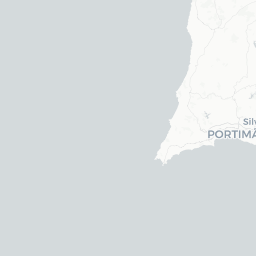
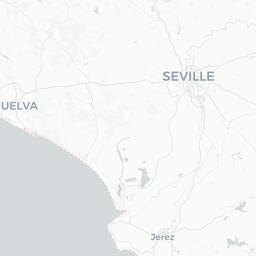
Lagos is a coastal town of roughly 33,000 residents in Portugal's Algarve region, situated near the southwestern tip of continental Europe. It sits at the mouth of the Bensafrim River where it meets the Atlantic Ocean, giving the town both a working harbour and immediate access to a coastline of striking limestone cliffs, sea caves, and broad sandy beaches.
The town has a long and layered history. It served as an important port during Portugal's Age of Discovery in the 15th and 16th centuries and retains a well-preserved old town encircled by sections of its original defensive walls. Cobblestone lanes, whitewashed buildings with terracotta roofs, and a compact historic centre make it easy and pleasant to explore on foot.
Today Lagos draws visitors primarily for its natural scenery — particularly the formations around Ponta da Piedade — and for outdoor activities including surfing, kayaking, stand-up paddleboarding, and hiking coastal trails. It also has a lively restaurant and bar scene that caters to both international visitors and local residents.
Before You Go
Visas
Portugal is a member of the European Union and the Schengen Area. Visa requirements vary significantly by nationality. Check TravelerPulse's Visas section for general guidance, and verify your specific requirements with Portugal's official immigration authority (SEF/AIMA) or your nearest Portuguese consulate before travel.
When to Go
- May–June & September–October: Warm and mostly sunny, sea temperatures comfortable for swimming, accommodation easier to book and generally less expensive than peak season.
- July–August: Peak season. Beaches and the old town can be very crowded, and accommodation books out well in advance. Temperatures frequently exceed 30 °C.
- November–March: Quiet, cooler, and wetter. Many smaller restaurants and tour operators reduce hours or close. Surf conditions are often excellent, attracting experienced surfers.
Health & Practical Prep
No vaccinations are specifically required for travel to Portugal beyond routine immunisations. EU citizens should carry a European Health Insurance Card (EHIC). Non-EU visitors are advised to arrange comprehensive travel health insurance. The nearest major hospital is in Portimão; Lagos has a local health centre. Verify current operating hours locally or through the Serviço Nacional de Saúde website.
Getting There
By Air
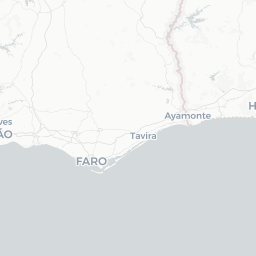
The closest international airport is Faro Airport (FAO), located approximately 75–80 km east of Lagos. It receives direct flights from many European cities, particularly during the summer season. Travel time from Faro to Lagos by car or shuttle is roughly one hour depending on traffic.
By Train
Comboios de Portugal (CP) operates rail services along the Algarve. The journey from Faro to Lagos typically requires a change at Tunes or Silves, and travel times vary. Check current schedules and fares at cp.pt. The Lagos train station is a short walk from the town centre.
By Bus
Eva Transportes and Rede Expressos operate coach services connecting Lagos to Faro, Lisbon, and other Portuguese cities. Journey times and schedules change seasonally; verify current timetables directly with the operators.
By Car
Lagos is accessible via the A22 (Via do Infante) motorway, which runs east–west across the Algarve. Driving from Faro takes roughly 50–60 minutes. Note that the A22 is a tolled motorway; foreign-registered vehicles should arrange a toll payment method in advance or use national roads (EN125) to avoid fines.
Getting Around
The historic old town of Lagos is compact and best explored on foot. Most central sights, restaurants, and the main market area are within comfortable walking distance of each other.
Local buses (Eva Transportes) connect Lagos town to some of the surrounding beaches and villages, though frequency drops outside summer months. Verify routes and timetables locally.
Taxis and rideshare options (including Uber, which operates in the Algarve) are available for reaching beaches or points outside the walkable centre. Renting a bicycle or scooter is a popular option in summer; several hire shops operate in town — verify availability and pricing locally.
A car is useful if you plan to explore the wider Algarve, including more remote beaches or inland areas, but is generally unnecessary if you intend to stay within Lagos itself.
Things to See & Do
Ponta da Piedade
This headland south of town features some of the Algarve's most dramatic sea-cliff formations — eroded limestone arches, sea caves, and turquoise water. It is accessible on foot via a clifftop path from Lagos, by road, or by boat. Boat tours departing from Lagos harbour are a common way to view the caves up close; multiple operators run these trips, especially in summer.
Historic Old Town & City Walls
Lagos's old town retains stretches of its medieval walls and a compact grid of streets worth wandering. The Igreja de Santo António, a baroque church adjacent to the Museu Municipal de Lagos, is notable for its ornate gilded woodwork interior. The Museu Municipal covers local history and archaeology.
Beaches
- Meia Praia: A long sandy beach north of the harbour, accessible and family-friendly.
- Praia Dona Ana: South of town, sheltered by cliffs, popular and picturesque.
- Praia do Camilo: Smaller, accessed by steps through cliffs, often cited for its scenery.
- Praia da Luz and Praia de Burgau: Quieter alternatives a short drive west.
Water Sports & Outdoor Activities
Lagos and the surrounding coastline support a wide range of activities: surfing (Meia Praia and westward beaches), kayaking, coasteering, stand-up paddleboarding, and dolphin-watching boat trips. Numerous operators are based in the harbour area; compare offerings and verify safety credentials locally.
Coastal Hiking
The Rota Vicentina and Via Algarviana long-distance trails pass through or near Lagos, and shorter clifftop walks are well-marked around Ponta da Piedade.
Food & Drink
Lagos has a varied dining scene reflecting both traditional Portuguese cooking and the international tastes of its visitor base. The old town and streets near the harbour concentrate most of the restaurant options.
What to Eat
- Fresh seafood: Grilled fish, clams (amêijoas), prawns, and percebes (goose barnacles) are staples in coastal Algarve cooking.
- Cataplana: A slow-cooked seafood or pork stew named after the copper clam-shaped pot it is cooked in — a regional speciality.
- Piri-piri chicken: Widely available across the Algarve.
- Pastel de nata: The ubiquitous Portuguese custard tart, available at most cafés and bakeries.
Practicalities
Many restaurants add a small cover charge (couvert) for bread and olives brought to the table — this is normal practice, and you may decline it. Lunch menus (menu do dia) often offer good value compared to à la carte evening pricing. Reservations are advisable at popular spots in July and August. A number of restaurants operate shorter hours or close entirely in winter; verify locally.
Practical Information
Emergency Numbers
- General emergency (police, fire, ambulance): 112 (EU standard)
- GNR (national police): presence in Lagos; exact local station details — verify locally.
Money
ATMs are readily available in the town centre. Credit and debit cards are widely accepted, though some smaller cafés and market stalls prefer cash. Inform your bank of travel plans to avoid card blocks.
Connectivity
Free public Wi-Fi is available in some public areas. Mobile coverage (4G/5G) from Portuguese networks is generally reliable in town. EU roaming rules apply to EU-issued SIMs. Non-EU visitors may want to consider a local or international SIM.
Electricity
Portugal uses Type F (Schuko) sockets at 230 V / 50 Hz. Travellers from outside continental Europe will likely need an adapter.
Tipping
Tipping is not obligatory in Portugal. Rounding up the bill or leaving 5–10% at restaurants is appreciated but entirely at your discretion.
Postal & Services
A post office (CTT) is located in town; hours and precise location — verify locally or at ctt.pt.
Safety
Lagos is generally considered a safe destination for travellers. Petty theft — particularly pickpocketing in crowded tourist areas and beach bag theft — is the most commonly reported issue. Standard precautions apply: do not leave valuables unattended on beaches, use hotel safes, and be aware of your surroundings in busy areas.
Ocean swimming carries inherent risks. Atlantic currents and swell can be stronger than expected, particularly at west-facing and more exposed beaches. Always observe local flag warnings — red flags indicate bathing is prohibited, yellow flags indicate caution. Cliff paths around Ponta da Piedade and elsewhere can be uneven and unfenced in places; stay on marked paths and keep a safe distance from edges.
Road safety: The EN125 national road running across the Algarve is known locally for high traffic volumes in summer. Drive attentively and be aware of cyclists and mopeds.
Local Culture & Etiquette
Portuguese is the sole official language. In the tourist-facing parts of Lagos, English is very widely spoken, as is Spanish and some German and French. Learning a few basic phrases in Portuguese is appreciated by locals.
Lagos has a significant historical connection to the Portuguese Age of Discovery. It was a key departure point for explorers and also, regrettably, an early centre of the Atlantic slave trade — a history acknowledged by some local heritage interpretation. The Mercado de Escravos site near Praça do Infante is associated with this history and is part of the town's historical record.
The town celebrates several local festivals and saints' days across the year; dates and programmes vary annually — check with the local Câmara Municipal (Lagos City Council) for current events. Catholic traditions remain important in community life, and modest dress is respectful when entering churches.