Translate


Overview
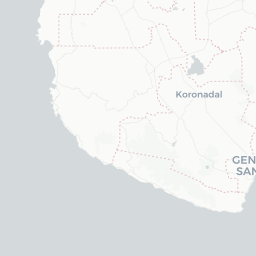
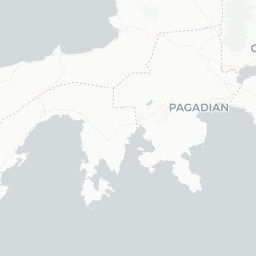
General Santos City — locally called GenSan — sits at the southern tip of Mindanao on the shores of Sarangani Bay. With a population of over 700,000, it is the most populous city in the Soccsksargen region and one of the fastest-growing urban centers in Mindanao. It is the only highly urbanized city in the region and serves as a major commercial, trading, and transport hub for surrounding provinces.
The city is internationally recognized as the Tuna Capital of the Philippines. Its fishing port processes and exports vast quantities of yellowfin tuna, and the seafood culture permeates nearly every aspect of daily life, from the wet markets to upscale restaurants. The General Santos Fish Port Complex is one of the busiest tuna-landing ports in Southeast Asia.
Beyond fish, GenSan is the birthplace of boxing legend Manny Pacquiao, a fact that locals hold with obvious pride. Statues, murals, and references to him appear throughout the city. The surrounding region also offers access to indigenous Tboli and Blaan communities, mountain lakes, and coastal scenery, making GenSan a practical base for broader exploration of southern Mindanao.
Before You Go
Visas
Philippines immigration rules vary by nationality and are subject to change. Check TravelerPulse's Visas section for a current overview, and always verify requirements with the Bureau of Immigration of the Philippines (bi.gov.ph) before travel.
Health
Consult a travel medicine clinic or your doctor well ahead of departure. Mosquito-borne diseases including dengue are present in Mindanao; use repellent and wear long clothing at dawn and dusk. Tap water is generally not safe to drink — use sealed bottled water. Make sure routine vaccinations are current.
Travel Advisories
Some governments issue region-specific advisories for parts of Mindanao. General Santos City itself has a different security profile from more remote areas, but you should check your own government's current travel advisory and monitor it during your trip. Register with your embassy or consulate if your government offers that service.
Insurance
Travel insurance that includes medical evacuation is strongly recommended. Medical facilities in GenSan are reasonable for a city of its size, but serious cases may require transfer to Davao or Manila.
Getting There
By Air
General Santos International Airport (GES) receives domestic flights from Manila and Cebu, operated by Philippine Airlines, Cebu Pacific, and AirAsia Philippines. Flight time from Manila is roughly 1.5 hours. Check airline websites directly for current schedules and fares, as these change frequently.
By Sea
GenSan has a port with inter-island shipping connections. Ferry and cargo-passenger vessels link it to other Mindanao ports and occasionally to Visayas routes. Verify schedules locally or through shipping line offices, as timetables vary seasonally.
By Land
Overland buses connect General Santos to Davao City (roughly 3–4 hours depending on traffic and route) and to other Mindanao cities. Several bus companies operate from terminal points in the city; confirm schedules and journey times on arrival. The road network is generally adequate for daytime travel.
Getting Around
Tricycles and Habal-habal
The most common short-distance transport within the city is the motorized tricycle. Agree on a fare before boarding, as meters are not standard. Habal-habal (motorcycle taxis) are used for slightly longer or less-served routes.
Jeepneys
Jeepneys run fixed routes within the city and to nearby towns. They are cheap and frequent but can be confusing for first-time visitors — ask locals or your accommodation for guidance on which routes serve your destination.
Ride-Hailing
App-based ride-hailing services (including some regional platforms) have expanded in GenSan. Availability may be more limited than in Davao or Manila, so verify locally which apps are active.
Car Rental and Vans for Hire
For day trips to Lake Sebu, Sarangani, or other surrounding areas, hiring a van with a driver is practical and widely available. Negotiate rates in advance; your hotel or guesthouse can often arrange this.
Things to See & Do
General Santos Fish Port Complex
A visit to the fish port — particularly during early-morning unloading hours — is a genuine GenSan experience. The scale of the tuna trade is remarkable. Access for visitors may be restricted to certain areas; verify current access rules locally before going.
Sarangani Bay
The bay offers opportunities for waterfront walks, sunsets, and seafood meals at shoreside restaurants. Diving and snorkeling sites exist in Sarangani province (which surrounds the city); conditions and access points are best confirmed with local dive operators.
Manny Pacquiao Landmarks
The city commemorates its most famous native son with a statue near the city hall area and various murals. His family's gymnasium, where he trained early in his career, is referenced in local lore — ask locally about current access or guided context.
Socsksargen Cultural Center and Local Museums
GenSan has modest cultural facilities that document the history of the city's founding and the indigenous peoples of the region. Verify opening hours and admission fees on arrival, as these can change.
Day Trip: Lake Sebu
Lake Sebu in South Cotabato, roughly 2–3 hours from GenSan, is the cultural heartland of the Tboli people and a UNESCO-recognized area of intangible cultural heritage. The Seven Falls (Hikong Alu series) and traditional Tboli weaving cooperatives are the main draws. This is best done as a full-day or overnight trip.
GenSan Tuna Festival
Held annually in September, the festival includes street dancing, a tuna-themed parade, cooking competitions, and cultural performances. If your dates align, it provides an engaging window into local identity.
Food & Drink
Tuna, Every Way Possible
The defining food experience in GenSan is fresh tuna. Yellowfin is served raw (kinilaw — ceviche-style with vinegar and ginger), grilled, sashimi-style, as tuna belly (maguro toro equivalent), in soups, and as canned products to take home. Quality is exceptionally high given the city's direct port access. The fish markets near the port area and public markets sell tuna at prices that often surprise visitors.
Local Restaurants and Carinderia
The city has a full range of dining options from simple neighborhood carinderia (turo-turo) serving rice meals to mid-range restaurants and a growing number of cafes. Filipino staples — adobo, sinigang, grilled pork — are widely available alongside the dominant seafood. Prices are generally lower than in Cebu or Manila.
Night Markets and Food Stalls
Evening food stalls along various strips in the city offer barbecue, street snacks, and cold drinks. These are social gathering spots for locals and are good places to eat affordably. Ask at your accommodation which night market area is currently active.
Drinks
Fresh buko (coconut) juice and local fruit shakes are plentiful. Coffee culture has grown; local cafes serve both international styles and traditional barako coffee. Alcohol is widely available; San Miguel products dominate, and local tuba (coconut wine) is a traditional option in some settings.
Shopping
Canned and Processed Tuna
The most popular souvenir from GenSan is locally produced canned tuna. Several brands are packed here, and buying from local producers or market stalls can be cheaper than in Manila. Confirm airline carry-on and baggage rules before packing canned goods.
Tboli and Blaan Crafts
Handwoven T'nalak fabric (made by Tboli weavers from Lake Sebu) and brass jewelry from Blaan artisans are among the most distinctive crafts of the region. These are more readily found in Lake Sebu itself, but some GenSan shops and cultural centers carry them. Purchasing directly from weaver cooperatives, if you visit Lake Sebu, supports artisans more directly.
Shopping Malls
GenSan has several malls including SM City General Santos, which provides a familiar air-conditioned environment for clothing, electronics, groceries, and Philippine chain restaurants. Public markets such as Centrum Public Market are the better option for fresh produce, local goods, and street food.
Practical Information
Money
ATMs are available throughout the city, including at major malls and banks. International cards (Visa, Mastercard) are generally accepted at ATMs. Credit card acceptance at restaurants and shops is improving but cash remains important, especially at markets, tricycles, and smaller establishments. Bring sufficient pesos for daily expenses.
Connectivity
Mobile data coverage (4G/LTE) from major Philippine networks — Globe and Smart — is reliable in the urban core. SIM cards can be purchased at the airport, malls, and convenience stores with a valid passport. Wi-Fi is available at most hotels and cafes.
Emergency Contacts
For police, fire, or medical emergencies in the Philippines the national emergency hotline is 911. Note the address of your accommodation and the nearest hospital. Verify locally which hospitals are best equipped for your potential needs.
Electricity
The Philippines uses 220V/60Hz. Socket types are primarily Type A (flat parallel pins) and Type B (with ground pin). Visitors from North America may not need a voltage converter for modern electronics but should check their device specifications.
Tipping
Tipping is not mandatory but appreciated. A 10% tip is common in restaurants if a service charge is not already included. Round up for tricycle and taxi drivers at your discretion.
Safety
General Santos City is a functioning urban commercial center, and the majority of visitors experience no safety incidents. That said, standard urban precautions apply: keep valuables out of sight, be aware of your surroundings especially at night, and avoid displaying expensive equipment unnecessarily in crowded markets.
As noted in the Before You Go section, check your government's current travel advisory for Mindanao as a whole before arrival and during your stay. Conditions across the island vary considerably by area, and advisories are updated when circumstances change. The city's situation may differ markedly from more remote parts of Mindanao.
Avoid leaving drinks unattended at bars or social events, and use only clearly identified transport options — particularly at the airport and bus terminals where unsolicited offers from individuals may occur. When hiring habal-habal or tricycles at night, use those arranged by your accommodation where possible.
Local Culture & Etiquette
General Santos was established as a planned settlement in the 1930s when Paulino Santos led a government colonization mission, bringing settlers from Luzon and Visayas to develop the area. This history means the city has a genuinely multi-ethnic character, with communities of Ilocano, Bisaya, Hiligaynon, and other Filipino groups alongside the indigenous Tboli, Blaan, and Maguindanao peoples whose ancestral lands surround the city.
The predominantly Catholic character of the city is evident in its churches and festivals, though Muslim communities are also present, reflecting Mindanao's broader religious landscape. Mosques and halal food options can be found in parts of the city. Respect for both religious traditions is appropriate — dress modestly when visiting places of worship and be mindful of Friday prayers near mosques.
Locals are generally welcoming to visitors who show genuine interest and basic courtesy. Learning a few words in Filipino or Cebuano — greetings, thank you, please — is appreciated even if English communication is usually possible. The regional identity around tuna fishing and boxing is deeply felt; engaging with these topics sincerely is an easy way to connect with people.