Overview
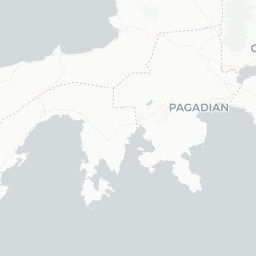
Davao is the largest city by land area in the Philippines and one of the most populous in Mindanao. Situated on the southeastern coast of Mindanao along Davao Gulf, it serves as the commercial, cultural, and administrative hub of the Davao Region. Despite its size, the city has a reputation for being relatively clean, organized, and navigable compared to other major Philippine cities.
The city blends urban convenience with remarkable access to natural environments. Within a day trip's reach are volcanic peaks, tribal cultural sites, coastal areas, and one of the world's most significant raptor conservation programs. Davao's multicultural population includes Cebuano settlers, Moro communities, and various indigenous Lumad groups, giving the city a layered cultural identity.
Davao is perhaps most famous internationally as the home of the Philippine Eagle, the national bird, and for its durian — a fruit so central to local identity that it appears on public monuments and is sold at roadside stalls throughout the city. The annual Kadayawan Festival, held each August, celebrates the city's indigenous heritage and harvest season with street dancing, flower floats, and tribal performances.
Before You Go
Visas
The Philippines has a visa-on-arrival policy for many nationalities, but rules can change. Check TravelerPulse's Visas section and verify current requirements with the Philippine Bureau of Immigration (immigration.gov.ph) before you travel.
Health
Consult a travel health clinic before visiting. Depending on your itinerary, vaccinations for hepatitis A, typhoid, and tetanus are commonly recommended. Dengue fever is present in Mindanao; use insect repellent and wear long sleeves during peak mosquito hours. Tap water is generally not considered safe to drink; stick to sealed bottled water.
What to pack
- Light, breathable clothing; the climate is warm and humid year-round
- Rain gear if visiting outside the dry season — afternoon showers are common
- Sunscreen and insect repellent
- Modest clothing if visiting religious sites or indigenous communities
- Cash in Philippine Pesos; while ATMs are available throughout the city, some smaller establishments and rural attractions are cash-only
Connectivity
SIM cards from major Philippine carriers (Globe, Smart) are available at the airport and convenience stores. Prepaid data plans are affordable and provide reasonable coverage within the city and major tourist sites.
Getting There
By Air
Francisco Bangoy International Airport (airport code: DVO), commonly called Davao International Airport, is the main entry point. It receives direct flights from Manila, Cebu, and a number of international destinations including Singapore and other regional hubs. Flight times from Manila are roughly 1.5 hours. Check current routes and schedules directly with airlines, as services change.
By Sea
Davao has a passenger port at Sasa. Ferry services connect it to other Mindanao ports and some Visayas destinations, though this is a less common option for international travelers. Verify routes and schedules locally or through Philippine shipping lines.
By Land
Davao is connected by road and bus services to other Mindanao cities, including General Santos and Cagayan de Oro. Long-distance bus travel in Mindanao can be lengthy; verify routes and current road conditions locally before planning overland travel.
Getting Around
Davao is a large, sprawling city, and most visitors will need transportation to move between districts and attractions.
Jeepneys are the traditional and cheapest form of public transit, running fixed routes throughout the city. For newcomers, routes can be confusing; ask locally or at your accommodation for guidance.
Taxis are available and generally use meters, though it is always good practice to confirm meter use before starting a trip. Ride-hailing apps (including Grab) operate in Davao and are often the most convenient option for visitors, with transparent pricing.
Motorized tricycles (tricycles) serve shorter, more localized routes and are useful for last-mile travel within barangays.
Renting a car or van with a driver is a practical option for day trips to sites such as Mount Apo trailheads, the Philippine Eagle Center, or Eden Nature Park, where public transport is limited. Your hotel or guesthouse can typically assist with referrals; verify rates and agreements in advance.
Things to See & Do
Philippine Eagle Center
Located in Malagos, Calinan District, this conservation facility is one of the most important in Southeast Asia. It is the primary breeding and research center for the critically endangered Philippine Eagle. Visitors can observe eagles and other native wildlife in naturalistic enclosures. Opening hours and admission fees — verify directly with the center before visiting, as these can change.
Mount Apo
At 2,954 meters, Mount Apo is the highest peak in the Philippines and a major destination for trekkers and mountaineers. Multi-day climbs are typical; permits, guides, and proper gear are required. Various trails exist with different difficulty levels. Coordinate with registered local guides and the Protected Area Management Board before attempting a climb.
Eden Nature Park
A mountain resort and eco-park in Toril District offering gardens, zip-lines, a small farm, and scenic views over Davao. It is a popular day-trip destination for families and those seeking cooler temperatures above the city. Verify current admission fees and hours on their official website or locally.
Davao Crocodile Park
A wildlife park in Riverfront area featuring Philippine crocodiles alongside other native animals and some cultural exhibits. It serves both as a tourist attraction and a conservation facility.
Malagos Garden Resort and Chocolate Hills
The Malagos area is also home to a working cacao farm and chocolate-making facility. Guided tours allow visitors to learn about bean-to-bar production; the chocolate products available are well regarded. Verify tour availability in advance.
People's Park and Waterfront
People's Park in the city center is a well-maintained public green space featuring sculptures and plantings that reflect Davao's tribal heritage. The Davao Riverfront and Samal Island (accessible by a short pump boat ride) offer additional leisure options close to the urban core.
Kadayawan Festival
Held annually in August (specific dates vary year to year), Kadayawan is the city's premier cultural festival. Events include the Indak-Indak sa Kadalanan street dancing competition, Pamulak Kadayawan flower float parade, tribal performances, and food markets. Visitors planning to coincide with the festival should book accommodation well in advance.
Food & Drink
Davao's food scene is defined by fresh produce, seafood, and a culinary culture that blends Cebuano, Maranao, and other Mindanaoan influences.
Durian
Davao is the durian capital of the Philippines. The fruit is sold fresh at markets and roadside stalls throughout the city and is incorporated into local sweets, pastries, and ice cream. If you are new to durian, stall vendors are generally happy to let you sample before buying. Note that durian is prohibited in most hotels, malls, and enclosed public spaces.
Seafood and Grilled Food
Davao Gulf yields an abundance of fresh fish, prawns, and shellfish. The area around Roxas Night Market is a well-known destination for grilled seafood, barbecue skewers, and street food at modest prices. Vendors set up in the evening; go hungry.
Other Local Specialties
- Pomelo — Davao pomelos are notably large and sweet
- Mangosteen and exotic local fruits — available seasonally at markets including Bankerohan Public Market
- Grilled tuna — Yellowfin tuna from nearby General Santos is a regional staple, widely available in Davao
- Kinilaw — raw seafood cured in vinegar and citrus, similar to ceviche
Dining Options
Davao has a full range of dining from informal carinderia (local canteen) spots to international chains and mid-range restaurants, particularly around the Lanang and Matina areas. SM Lanang Premier and Abreeza Mall both contain a variety of restaurant options if you want reliable air-conditioned dining.
Shopping
Davao offers a mix of modern mall retail and more characterful local markets.
Bankerohan Public Market is the city's main wet and dry market, a practical place to buy fresh fruit (including durian and exotic local varieties), vegetables, and everyday goods. It is lively and best visited in the morning.
Aldevinco Shopping Center in the downtown area is a well-known destination for indigenous crafts, tribal textiles, brass ware, and Mindanao cultural items including malong cloth and traditional accessories. Bargaining is expected and part of the experience.
Major malls — SM Lanang Premier, Abreeza Mall, and Gaisano Mall among others — offer air-conditioned environments with clothing, electronics, supermarkets, and food courts. These are practical for stocking up on supplies or escaping the heat.
Local chocolate products from Malagos and dried fruit products make popular, genuinely local souvenirs that are available at specialty shops and airport retail outlets.
Practical Information
Money
ATMs are widely available in malls and commercial areas. International cards (Visa, Mastercard) are accepted at most ATMs; notify your bank before travel. Cash is essential for markets, street food, and smaller establishments.
Emergency Contacts
Verify current local emergency numbers on arrival. The Philippine national emergency hotline is 911. Your hotel front desk is a reliable first point of contact in non-life-threatening situations.
Electricity
The Philippines uses Type A and Type B plugs (US-style flat pin) at 220V/60Hz. Most modern devices handle dual voltage, but check your equipment and bring a universal adapter if needed.
Tipping
Tipping is not obligatory but is appreciated. Small tips for restaurant servers, hotel staff, and tour guides are customary if service was good. Some restaurants add a service charge to the bill; check before tipping additionally.
Pharmacies and Medical Care
Pharmacies (including chains such as Mercury Drug and Rose Pharmacy) are widely available throughout the city. Davao has several hospitals with reasonable facilities for a city of its size; your accommodation can direct you to the nearest appropriate facility.
Safety
Davao has historically positioned itself as one of the safer large cities in the Philippines, with a visible local government emphasis on order and cleanliness. Standard urban precautions apply: be aware of your surroundings, avoid displaying expensive items unnecessarily, and use reputable transport options.
Petty theft and opportunistic crime exist, as in any major city. Keep bags close in crowded markets and public areas. Avoid walking alone in unfamiliar areas late at night.
Mindanao has areas with longstanding security concerns related to armed conflict, particularly in certain provinces away from Davao City. Davao City itself has been generally stable, but travelers should monitor current advisories from their home government's foreign affairs department before and during travel, as the security situation in the broader region can change. Stay informed and adjust plans if advisories recommend it.
The Philippines sits on the Pacific Ring of Fire and is subject to earthquakes and volcanic activity. Familiarize yourself with your accommodation's emergency procedures. Typhoon season broadly runs from June to November, though Davao is somewhat sheltered from direct typhoon hits compared to northern and eastern Philippines — verify conditions seasonally.
Local Culture & Etiquette
Davao's cultural identity is shaped by its indigenous Lumad communities (including Bagobo, Mandaya, and others), a large Cebuano settler population, Muslim communities, and a history of diverse migration. This results in a city where tribal arts, Catholic traditions, and Islamic heritage coexist in everyday life.
Respect for indigenous cultures is important. If visiting tribal villages or cultural sites, follow the guidance of local hosts, ask before photographing people, and dress modestly. Purchasing crafts directly from tribal artisans or certified cooperatives is a more ethical and economically beneficial choice than buying from resellers.
Public behavior norms in Davao are notably enforced. Smoking is prohibited in most public spaces, and rules around noise and public conduct are taken seriously by local authorities. Follow posted signage and local guidance.
Durian has a near-sacred status in local culture — locals take considerable pride in their fruit. Engaging genuinely with the food culture, even if you find durian challenging, is a way to connect respectfully with residents.