Translate


Overview
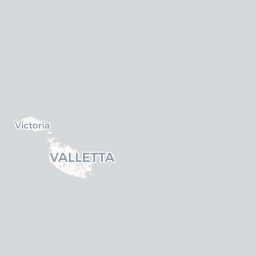
Sliema is a densely built coastal town on the northeastern side of Malta, sitting directly across the harbour from Valletta. With a resident population of roughly 22,000, it is one of the island's most urbanised areas and functions as the commercial and hospitality hub for visitors who want easy access to both the capital and the broader island.
The town is defined by its seafront — the Sliema waterfront and the adjoining Tigne Point promenade stretch for several kilometres and are used by walkers, joggers, and café-goers throughout the day and well into the evening. Rocky bathing platforms at various points along the coast serve as the local equivalent of a beach, since Sliema itself has no sandy shore.
Sliema has a noticeably cosmopolitan character. It hosts a large number of foreign residents, language-school students, and short-term visitors, which means services, menus, and signage are almost universally available in English. The town's infrastructure — transport links, accommodation range, restaurants, and shops — is more developed than almost anywhere else in Malta outside Valletta, making it a practical base for first-time visitors to the island.
Before You Go
Visas
Malta is a member of the European Union and the Schengen Area. Visa requirements depend on your nationality and travel history. Do not rely on any single summary — check TravelerPulse's Visas section and the official website of Malta's identity and immigration authority (Identità) before you travel.
Health and Insurance
EU/EEA citizens should carry their European Health Insurance Card (EHIC) for access to public healthcare. All other travellers should arrange comprehensive travel and medical insurance before departure. The summer heat (July–August regularly exceeds 35 °C) can be intense; sun protection, hydration, and light clothing are essential.
What to Pack
- Comfortable walking shoes — pavements and rocky coastlines are uneven in places
- Sun protection: high-SPF sunscreen, hat, and sunglasses are genuinely necessary in summer
- A light layer for air-conditioned interiors, which can be cold in peak season
- Modest clothing if you plan to visit churches or religious sites elsewhere on the island
Connectivity
Mobile coverage is reliable across Sliema. EU travellers benefit from roam-like-at-home rules. Prepaid SIM cards are available from local operators. Free Wi-Fi is offered at many cafés and hotels.
Getting There
By Air
Malta International Airport (IATA: MLA) is the country's only commercial airport. It sits roughly 10–12 km from Sliema. Scheduled and low-cost carriers connect Malta with major European cities, and the route network expands considerably in summer. Verify current airlines and schedules directly with the airport or carriers.
Airport to Sliema
Public bus services run between the airport and Sliema; the journey takes approximately 30–50 minutes depending on route and time of day. Licensed taxis and pre-booked private transfers are also available from the airport forecourt. Ride-hailing apps operate in Malta — confirm availability and pricing in-app before you travel. Verify current fares and schedules locally or through Malta Public Transport's official channels.
By Sea
Malta is served by a passenger and vehicle ferry from Catania and Pozzallo in Sicily, operated by Virtu Ferries and Grimaldi Lines (verify current operators and schedules before booking). The ferry arrives at Valletta's Grand Harbour, from which Sliema is a short taxi or bus ride away.
Getting Around
On Foot
Sliema's compact layout means most hotels, restaurants, shops, and the waterfront promenade are walkable from most accommodation. The town centre and the Tigne area are particularly pedestrian-friendly, though traffic and parked cars can make some pavements narrow.
Local Ferry
A small passenger ferry (the Sliema–Valletta ferry) runs regularly across Marsamxett Harbour between the Sliema ferry terminal and Valletta's waterfront. This is one of the most practical and scenic ways to reach the capital. Verify current timetables and fares at the terminal or through Malta Public Transport.
Bus
Malta's public bus network covers Sliema well, connecting it to Valletta, St Julian's, Mdina, and the southern bays. Routes and fares should be confirmed via Malta Public Transport's official resources, as they are subject to change.
Taxis and Ride-Hailing
Licensed taxis are available, and ride-hailing apps operate across Malta. Agree on a fare or use the meter before setting off in a traditional taxi.
Things to See & Do
The Waterfront Promenade
The seafront walkway is the social spine of Sliema. It runs from the Ferries area around the Tigne Point headland and connects informally with the promenade toward St Julian's. It is equally enjoyable at dawn, at sunset, and after dark.
Swimming and Sunbathing
Sliema has no sandy beaches, but there are designated rocky lidos and bathing platforms along the coastline — notably around Qui-si-Sana and the Exiles area. Some lidos are municipally operated and may charge a small access fee (verify locally). The water is generally clear and calm in summer.
Day Trips to Valletta
The capital is only a short ferry crossing or bus ride away. Valletta, a UNESCO World Heritage City, contains St John's Co-Cathedral, the Grand Master's Palace, the Upper and Lower Barrakka Gardens, and Malta's national museums. Most visitors base themselves in Sliema and visit Valletta as a day or half-day excursion.
Boat Trips and Harbour Cruises
Several operators run boat excursions from the Sliema waterfront. Common routes include the Grand Harbour and the Three Cities (Vittoriosa, Senglea, Cospicua), the Blue Lagoon on Comino, and Gozo. Prices, departure times, and availability vary by season — enquire with operators at the waterfront or through your accommodation.
Tigne Point
The headland at the western tip of Sliema was once a major British military fortification. Tigne Fort (a scheduled monument) is located here. The surrounding area has been redeveloped as a modern mixed-use district with retail and dining, but the fort itself and its views across the Grand Harbour entrance to Valletta remain historically and visually significant.
Food & Drink
Sliema has one of the densest concentrations of restaurants, cafés, and bars in Malta. The range spans traditional Maltese cooking, Italian and Mediterranean cuisine, fast food, and international options catering to language students and tourists.
Maltese Food Worth Trying
- Pastizzi — flaky savoury pastries filled with ricotta or mushy peas, sold from dedicated pastizzeries and bakeries; a genuine local staple and very inexpensive
- Ftira — Maltese bread, often used for sandwiches and listed on the UNESCO Intangible Cultural Heritage register
- Braġioli — thin beef olives stuffed with bacon, egg, and breadcrumbs, a traditional main course
- Kinnie — a bittersweet local soft drink made from bitter oranges and aromatic herbs; worth trying once
- Ġbejna — small fresh or cured cheeses made from sheep's or goat's milk
The waterfront and the side streets leading off Tower Road have the greatest concentration of dining options. Restaurant quality varies — reading recent reviews and walking the area before committing is sensible. Many establishments are open for lunch and dinner but hours vary, especially off-season.
Shopping
Sliema is Malta's main retail hub outside Valletta. The Tigne Point shopping centre offers a range of international and local brands in a modern open-air setting. Tower Road and the surrounding streets have independent shops, pharmacies, supermarkets, and souvenir outlets.
For more characterful shopping — local crafts, lace, filigree silver jewellery, and Maltese glass — Valletta's Republic Street and the artisan shops of the Three Cities may offer a broader and more traditional selection than Sliema's largely commercial retail offer. The Sunday market at Marsaxlokk (a fishing village on the south coast) is a popular excursion for those interested in local produce and goods.
Practical Information
Money
ATMs are widely available in Sliema. Credit and debit cards are accepted in most hotels, restaurants, and shops, though some smaller cafés and pastizzeries operate cash only. It is sensible to carry a small amount of cash.
Emergency Numbers
For police, ambulance, or fire services in Malta, the standard European emergency number 112 applies. Verify any additional local numbers (such as the direct police number) before you travel.
Pharmacies
Pharmacies (identified by a green cross sign) are plentiful in Sliema. A rota system ensures at least one pharmacy in each district is open outside standard hours; notices posted at each pharmacy indicate the nearest open one.
Electricity
Malta uses the UK-style three-pin plug (Type G) and 230V supply. Travellers from continental Europe and North America will need an adaptor.
Tipping
Tipping is not mandatory but is appreciated in restaurants and for taxi drivers. A 10% tip for good service is a common guideline, though practice varies.
Safety
Sliema is generally considered a safe destination for travellers. Petty crime such as bag snatching or pickpocketing exists, as it does in any busy urban area, and the usual precautions apply — keep valuables out of sight, be aware of your surroundings in crowded areas, and do not leave belongings unattended on the waterfront or at the lido.
Road safety deserves attention. Malta drives on the left (a legacy of British rule), and driving standards can be erratic. Pedestrians should be cautious at crossings and when walking along roads without pavements. Traffic in Sliema is often heavy during peak hours.
Sea swimming conditions in Sliema are generally benign in summer, but the rocky entries require care, particularly when swell is present. Swim only at designated areas and heed any posted warnings.
Local Culture & Etiquette
Sliema's character has been shaped by British colonial rule (which lasted until 1964) and by its role as a residential and commercial centre for Malta's professional class through much of the 20th century. The town historically had a more affluent reputation relative to other Maltese towns, which partly explains the relative density of its English-language services and its cosmopolitan feel today.
Malta is a predominantly Roman Catholic country, and while Sliema is more secular in atmosphere than rural towns, church feast days (festas) are still celebrated with processions, fireworks, and decorated streets. If your visit coincides with a local festa, it is worth watching — though be aware that fireworks begin early and can be very loud. The festa calendar is published locally and varies each year.
English is co-official and almost universally spoken, but learning a few words of Maltese (Maltese is the national language, a Semitic language written in the Latin alphabet) is appreciated by locals. Basic courtesies — grazzi (thank you), jekk jogħġbok (please) — are easy to learn and warmly received.