Traduction


Overview
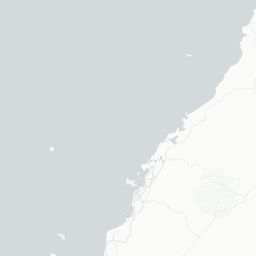
Sandakan sits on the northeastern coast of Sabah, Malaysian Borneo, facing Sandakan Bay and the Sulu Sea. Once the capital of British North Borneo and, for a period, one of the wealthiest cities in Southeast Asia due to the timber trade, it is today a mid-sized port city of roughly 440,000 people and the main gateway to some of Borneo's most significant wildlife sites.
The city itself is a working, lived-in place rather than a polished tourist hub. Its waterfront, wet markets, shophouse districts, and mixed Malay, Chinese, Filipino, and indigenous communities give it an authentic character that rewards curious travelers. Most visitors use Sandakan primarily as a base for day trips and excursions to nearby nature reserves, but the city has enough history and food culture to merit exploration in its own right.
Sandakan suffered near-total destruction during World War II and is soberly remembered as the departure point of the Sandakan Death Marches, in which Australian and British prisoners of war were forced inland to Ranau. Memorial sites in and around the city acknowledge this history directly.
Before You Go
Visas
Malaysia has a visa exemption arrangement with many countries, but entry rules for Sabah can involve additional considerations given that Sabah is part of Malaysia yet maintains certain border controls. Check TravelerPulse's Visas section for guidance relevant to your nationality, and verify current requirements with the Malaysian Immigration Department's official website before booking.
Health
Consult a travel medicine clinic or your doctor well before departure. Sandakan and the surrounding jungle areas carry risk of mosquito-borne illnesses including dengue fever and, in some rural areas, malaria. Appropriate repellent and long-sleeved clothing are advisable especially for wildlife excursions. Hepatitis A and typhoid vaccinations are commonly recommended for travelers to this region — verify with a medical professional.
Money
ATMs are available in Sandakan city centre and at larger shopping areas. Credit cards are accepted at hotels and some restaurants, but smaller eateries, markets, and rural operators are typically cash-only. It is practical to carry sufficient ringgit when heading out to nature reserves.
Connectivity
Local SIM cards with data plans are widely available and relatively affordable; major Malaysian mobile operators provide coverage in the city and along main roads. Signal can be weak or absent inside dense forest reserves.
Getting There
By Air
Sandakan Airport (SDK) receives domestic flights, primarily from Kota Kinabalu and Kuala Lumpur, operated by Malaysian carriers. Connections from elsewhere in Malaysia typically route through one of those hubs. Check current schedules and fares directly with airlines or a booking platform, as services and frequencies change.
By Road
Sandakan is connected to Kota Kinabalu by a road journey of roughly 6 hours depending on conditions and stops. Long-distance express buses operate this route; verify current operators, departure points, and schedules locally or at the bus terminal on arrival. The road passes through varied landscapes including oil palm plantations and secondary forest and can be driven by hire car if you are comfortable with Malaysian driving conditions.
By Sea
Ferry and boat services connect Sandakan to some of the surrounding islands and to parts of the southern Philippines. Routes and operators change; verify schedules and safety standards locally before booking any sea crossing, particularly for international crossings.
Getting Around
Within the city, taxis and ride-hailing apps (Grab is available in Sabah) are the most practical options for most travelers. Local minibuses serve some routes but can be confusing to navigate without local knowledge.
For excursions to the Sepilok Orangutan Rehabilitation Centre, Kinabatangan River, or Turtle Islands Park, most visitors book through guesthouses, hotels, or licensed local tour operators. Public transport to Sepilok from Sandakan exists (local buses do run this route — verify the current stop and schedule locally), but onward access to more remote areas like the Kinabatangan almost always requires a tour or private transfer.
Renting a car gives more flexibility for Sepilok and some other sites but is not necessary for travelers whose main goal is wildlife and who are comfortable joining organized day trips or multi-day packages.
Things to See & Do
Sepilok Orangutan Rehabilitation Centre
Located about 25 km west of Sandakan, Sepilok is one of the most visited sites in all of Borneo. It rehabilitates orphaned and injured Bornean orangutans (Pongo pygmaeus) for eventual return to the wild. Feeding platform sessions allow visitors to observe orangutans in a semi-wild setting. Admission fees and opening hours apply; verify current information on the Sabah Wildlife Department's official site before visiting, as policies can change.
The Borneo Sun Bear Conservation Centre is adjacent to Sepilok and focuses on the rehabilitation of Malayan sun bears — the world's smallest bear species. Combining both visits in a single day is very practical.
Rainforest Discovery Centre
Also near Sepilok, the Rainforest Discovery Centre (managed by the Sabah Forestry Department) features forest boardwalks, a canopy walkway, and excellent birdwatching opportunities. It is particularly popular with birders, as the surrounding forest holds a significant range of Bornean bird species. Verify opening hours and any fees on the official Sabah Forestry Department site.
Agnes Keith House
In the city itself, the restored colonial-era home of American author Agnes Keith — who wrote about her life in pre-war British North Borneo — is now a heritage museum. It offers a window into colonial history and the wartime period. Verify opening hours and admission locally.
Sandakan Memorial Park
This park on the outskirts of the city commemorates the site of the World War II prisoner-of-war camp from which the Sandakan Death Marches began. It is a place of quiet historical significance, maintained respectfully with information panels and memorial structures. Entry is free, but verify any changes locally.
Puu Jih Shih Buddhist Temple
Situated on a hill above the city, this large Chinese Buddhist temple offers panoramic views over Sandakan Bay. It is an active place of worship; dress modestly and behave respectfully when visiting.
Food & Drink
Sandakan is genuinely well regarded for its seafood, particularly among travelers familiar with Sabah. The proximity to the sea means that prawns, fish, crab, and other shellfish are fresh and prominent in local cooking. Chinese-Malay hawker food is the culinary backbone of the city, with influences also from the Bajau, Suluk, and Filipino communities that have long called the area home.
Where to Eat
- Night markets and hawker centres: Open-air hawker stalls serving grilled seafood, noodle soups, and rice dishes are common and affordable. The area around the waterfront and central market has clusters of such stalls.
- Seafood restaurants: Multiple establishments along the waterfront and in the city cater to diners wanting sit-down seafood meals. Prices vary; check the menu and confirm pricing before ordering, especially for live seafood priced by weight.
- Kopitiam (coffee shops): Traditional Chinese-style coffee shops serve kopi (local coffee), toast with kaya (coconut jam), and simple breakfast and lunch dishes. These are good for inexpensive, no-fuss meals.
Alcohol is available in non-Muslim establishments such as Chinese restaurants, some hotels, and licensed bars. Halal options are widely available throughout the city.
Practical Information
Emergency Contacts
For police, ambulance, and fire services in Malaysia, the general emergency number is 999. Verify this and any local hospital or clinic numbers on arrival, as contact details for specific facilities change. Your accommodation can usually direct you to the nearest appropriate medical facility.
Water
Drinking tap water directly is not recommended in Sandakan. Bottled water is widely available and inexpensive. Many hotels provide filtered or bottled water.
Electricity
Malaysia uses Type G (UK-style three-pin) plugs at 240V/50Hz. Travelers from most of continental Europe, North America, and Australia will need an adapter.
Pharmacies
Pharmacies (Guardian, Watsons, and independent Chinese medicine shops) can be found in the city centre and shopping areas. If you require prescription medication, bring an adequate supply from home along with documentation.
Time Zone
Sandakan operates on UTC+8, the same as the rest of Malaysian Borneo, Peninsular Malaysia, and Singapore.
Safety
Sandakan is generally a functional, everyday city and most visitors experience no significant safety issues. As with any port city, normal urban awareness is sensible — keep an eye on your belongings in busy markets and crowded areas.
The waters around Sandakan, particularly toward the southern Philippines, have historically been an area of concern for maritime kidnapping incidents, primarily involving boats in remote areas. This risk profile changes over time; check your government's current travel advisory for Sabah's eastern coast before travel, and avoid improvised sea journeys to or from the southern Philippines. Official tour operators running legitimate routes to Turtle Islands Park and Semporna generally operate under established safety protocols.
For wildlife excursions into the forest, follow guide instructions, stay on marked paths, and do not approach or attempt to touch wild animals — this applies particularly to orangutans, where there are also disease transmission concerns in both directions.
Local Culture & Etiquette
Sandakan's population is diverse, comprising Malay and Bajau Muslims, Chinese (predominantly Buddhist and Christian), indigenous Kadazandusun and other groups, and a significant community with Filipino heritage. This mix is visible in the city's religious buildings, markets, and food.
Islam is the majority religion of Sabah as a whole, and standard courtesies apply: dress modestly when visiting mosques (coverings provided at most), remove footwear when entering places of worship, and be respectful during prayer times. Outside of specifically religious spaces, dress norms in Sandakan are relatively relaxed compared to more conservative parts of Malaysia, though modest dress is always appropriate.
Sandakan's Chinese community has deep historical roots; the older shophouse quarter and the cemetery on the hillside above the city reflect generations of settlement. The Central Market area is a good place to observe the everyday mix of communities going about their business.