Overview
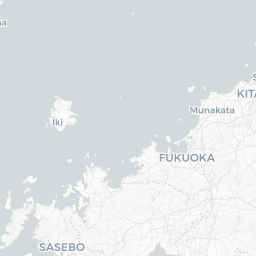
Ōita is the prefectural capital of Oita Prefecture on the northeastern coast of Kyushu, Japan's southernmost main island. With a population of roughly 475,000, it is a mid-sized city that balances urban infrastructure with genuine regional character. The city sits along Beppu Bay and is flanked inland by forested mountains, giving it a landscape that shifts quickly from coast to hills.
While neighbouring Beppu draws visitors primarily for its dramatic geothermal spectacles, Ōita city offers a quieter, more local-facing experience. The rebuilt Ōita Castle grounds, the compact central shopping district around府内町 (Funaichimachi), and a working port give the city a lived-in authenticity that rewards travellers willing to look beyond the obvious.
Oita Prefecture as a whole produces more hot spring water than any other prefecture in Japan, and Ōita city itself has onsen facilities scattered across neighbourhoods, some accessible to the public. The local food scene leans heavily on seafood from Beppu Bay and Bungo Channel, as well as regional specialties that reflect Kyushu's broader culinary traditions.
The city is also home to Oita Bank Dome, a large domed stadium that hosts football matches and events, and it served as one of the host venues during the 2019 Rugby World Cup, signalling growing international visibility.
Before You Go
Visas
Japan's entry requirements vary significantly by nationality and purpose of travel. For current visa rules specific to your passport, check TravelerPulse's Visas section and consult Japan's Ministry of Foreign Affairs (mofa.go.jp) well before your trip.
Health and Vaccinations
No vaccinations are required to enter Japan. Travellers are advised to check with their own health authority for any recommended immunisations. Japan has a high standard of public health infrastructure. Pharmacies (薬局, yakkyoku) are common in Ōita city.
Money
Cash remains important in Japan, including Ōita. ATMs at Japan Post offices and 7-Eleven convenience stores typically accept foreign cards reliably. Major credit cards are accepted at hotels and larger restaurants, but smaller onsen facilities and local eateries may be cash-only. Verify locally.
Connectivity
Pocket Wi-Fi rental and SIM cards for tourists are available at major Japanese airports. Convenience stores in Ōita city provide reliable Wi-Fi in some cases. Download offline maps and translation apps before you arrive, as English signage outside the main transit hubs can be limited.
What to Pack
- Slip-on shoes are practical for onsen and traditional spaces where footwear is removed.
- A small towel if you plan to use public baths (some facilities sell or rent them).
- Light layers; weather on Kyushu can be humid in summer and cool in winter.
Getting There
By Air
Oita Airport (OIT) is located on the Kunisaki Peninsula northeast of the city, roughly 40–50 minutes away by bus. Airport limousine buses connect the airport to central Ōita Station; verify current schedules and fares on the airport or bus operator's website before travel.
By Train
Ōita Station is the main rail hub and is served by JR Kyushu's Nippo Main Line and Hohi Main Line, as well as the Sonic limited express connecting to Fukuoka (Hakata Station). Journey times from Hakata are roughly 2 hours on the Sonic; verify current timetables on the JR Kyushu website. The JR Pass is accepted on these services.
By Bus
Highway buses run between Ōita and Fukuoka, as well as other Kyushu cities. These are often a cost-effective alternative to rail, though journey times are longer. Booking in advance is advisable during peak travel seasons.
By Ferry
Ōita port has ferry services connecting to Osaka/Kobe and other ports on Honshu, operated by companies including Sunflower Ferry. Overnight ferries can be a scenic and practical option for travellers coming from the Kansai region. Verify routes and schedules directly with operators.
Getting Around
Within Ōita City
Oita Bus operates an extensive local network throughout the city and prefecture. The city centre around Ōita Station and Funaichimachi is walkable for most attractions. Taxis are available at the station and can be hailed on main streets.
Bicycle Rental
Cycling is a practical way to explore flatter parts of the city. Inquire at your accommodation or the tourist information office at Ōita Station about rental options, as availability can vary.
To Beppu and Beyond
Beppu, one of Japan's most visited hot spring destinations, is only about 15 minutes from Ōita by local train on the JR Nippo Line, making it an easy day trip. Buses also connect the two cities frequently. The Hohi Line provides scenic access inland toward Yufuin.
IC Cards
Suica, ICOCA, and other major IC transit cards can be used on JR trains and many buses in the region, simplifying payments. Verify local bus compatibility before relying solely on an IC card.
Things to See & Do
Ōita Castle (府内城跡 / Funai Castle Ruins)
The original castle was built in the early Edo period. Much of the structure was demolished in the Meiji era, but the remaining stone walls, turrets, and moat form a pleasant park (Ōhama Park) in the city centre. The grounds are freely accessible and are popular for cherry blossom viewing in spring.
Onsen Experiences
Oita city has public bath facilities (銭湯, sentō, and onsen) in various neighbourhoods. These offer an authentic, local alternative to the more tourist-oriented options in Beppu. Ask at your accommodation for recommendations near where you are staying. Etiquette is important: tattoos may restrict access at some facilities, and bathing suits are generally not worn.
Ōita Prefectural Art Museum (OPAM)
Designed by architect Shigeru Ban and opened in 2015, OPAM is a striking building near Ōhama Park with rotating exhibitions of art and design. Verify current exhibitions and admission details on the museum's official website before visiting.
Kitsuki and the Countryside
A short train or bus ride from Ōita city, the historic castle town of Kitsuki preserves samurai district streetscapes. It makes for an excellent half-day or full-day excursion.
Oita Bank Dome
For sports fans, Ōita's covered stadium hosts J.League football matches (Gamba Osaka and others have played here) and occasional concerts. Check the event schedule locally.
Food & Drink
Local Specialties
Oita Prefecture is known for several distinct dishes. Toriten is a regional style of chicken tempura, typically dipped in a citrus-ponzu sauce—it is considered a local comfort food found in many eateries throughout the city. Bungo beef (豊後牛) is a well-regarded local wagyu variety available at higher-end restaurants. Seafood from Beppu Bay, including seki aji (horse mackerel) and seki saba (mackerel), is prized for quality.
Kabosu Citrus
Oita is the leading producer of kabosu, a tart citrus fruit used as a condiment across the prefecture. You will encounter it squeezed over fish, added to ponzu, and incorporated into local drinks and sweets. It is worth seeking out deliberately.
Where to Eat
The area around Ōita Station and the Funaichimachi covered shopping arcade contains a range of restaurants, izakayas, and casual eateries. The Miyako-machi entertainment district is known for its evening dining and drinking scene. Many izakayas serve local shochu (Kyushu's prevalent spirit) alongside food—Oita is also a shochu-producing prefecture.
Practical Notes
Many smaller restaurants display plastic food models or picture menus, which helps with ordering without Japanese language ability. Staff may have limited English; a translation app is genuinely useful.
Shopping
Funaichimachi Arcade
This covered shopping arcade in the city centre is the main retail hub for everyday shopping, clothing, and some souvenir goods. It is accessible on foot from central Ōita Station.
Souvenirs and Local Products
Look for kabosu-based products (condiments, confections, drinks), locally produced shochu, and regional crafts. Oita is known for bamboo crafts (Beppu bamboo, though centred in nearby Beppu) and wooden crafts from the forested interior. The tourist information desk at Ōita Station can point you toward reputable local shops.
Department Stores and Supermarkets
Tratte and other department stores in central Ōita carry both everyday goods and curated local food items. Large supermarkets are practical for picking up snacks and packaged regional products to take home.
Practical Information
Tourist Information
The tourist information office located in or near Ōita Station can provide maps, transport guidance, and accommodation referrals. Staff may have some English-language materials available.
Emergency Contacts
- General emergency (police): 110
- Fire and ambulance: 119 These numbers are standard across Japan.
Hospitals and Medical Care
Ōita city has several general hospitals. For non-urgent matters, pharmacies can handle minor issues. If you require a doctor who speaks English, verify availability in advance; international patient services are not as developed here as in Tokyo or Osaka.
Postal Services
Japan Post offices are reliable locations for currency exchange, parcel shipping, and ATM use with international cards. There are multiple branches in Ōita city.
Etiquette Reminders
- Remove shoes when entering homes, many ryokan, and some traditional restaurants.
- Avoid eating or drinking while walking in public.
- Speak quietly on public transport and set phones to silent.
- Rubbish bins are scarce in public; carry a small bag for your waste.
Safety
Ōita is a generally safe city by international standards. Petty crime affecting tourists is rare, though normal precautions—watching your belongings in crowded areas and keeping copies of important documents—apply.
Oita Prefecture sits in a seismically active region of Japan. Familiarise yourself with earthquake safety procedures; your accommodation will typically have posted guidance. Japan has an excellent public earthquake alert system (J-Alert) that broadcasts on mobile phones. The Japan Meteorological Agency website (jma.go.jp) provides weather and seismic information in English.
Typhoon season runs roughly from June through October. Typhoons can affect Kyushu, occasionally disrupting transport. Monitor weather forecasts during this period and allow flexibility in your itinerary.
Tap water is safe to drink throughout Japan, including Ōita.
Local Culture & Etiquette
Ōita city reflects the broader culture of northern Kyushu while maintaining distinctly local traditions. The onsen culture here is deeply embedded in daily life—many residents use public baths regularly, and the etiquette around them is taken seriously. First-time visitors to public baths should wash thoroughly at the shower stations before entering communal pools.
Local festivals include the Ōita Gion Festival in summer, featuring traditional portable shrine processions. Dates and formats can vary year to year; verify current programming locally or through the city's official tourism resources.
Religious sites—including Shinto shrines and Buddhist temples scattered through the city and surrounding hills—are generally open to respectful visitors. Bow slightly at torii gates and avoid touching religious objects. Photography policies vary by site; look for posted notices.