Translate


Overview
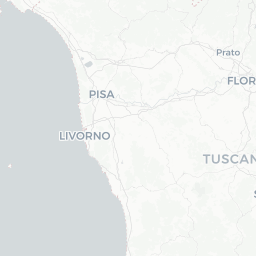
Pisa is a mid-sized Tuscan city of roughly 110,000 people sitting on the banks of the Arno River, about 80 km west of Florence. It is internationally recognized for the Leaning Tower, but the city has considerably more to offer: a functioning medieval university founded in 1343, a compact historic center, and a riverfront lined with pastel palaces that sees far fewer tourists than its famous neighbour.
The city's medieval prosperity came from maritime trade and a powerful navy. That wealth funded the Piazza dei Miracoli — a UNESCO World Heritage Site — and left a legacy of Romanesque churches and civic monuments that still define the skyline. Outside the Miracoli complex, Pisa can feel like an ordinary Italian university town: noisy scooters, good trattorias, and students filling the piazzas after dark.
Because many visitors treat Pisa as a half-day stop, those who stay overnight discover a quieter, more authentic side of the city — evening passeggiata along the Lungarni, neighborhood markets, and a restaurant culture pitched at locals rather than tourists.
Before You Go
Visas
Italy is a Schengen Area member. Visa requirements vary significantly by nationality. Check TravelerPulse's Visas section and the official Italian immigration authority (Polizia di Stato / Ministero degli Affari Esteri) for current rules before booking.
When to go
- April–June: Pleasant temperatures, green countryside, manageable crowds. Easter week is busy.
- July–August: Hot and humid; the Tower and Piazza dei Miracoli are at peak congestion. The city quiets down as university students leave.
- September–October: Often considered the sweet spot — warm, less crowded, harvest season in surrounding Tuscany.
- November–March: Cooler and occasionally rainy; crowds are thin, and some smaller sites may have reduced hours. The city has an authentic local rhythm in winter.
Health and travel insurance
EU/EEA travelers should carry a valid European Health Insurance Card (EHIC). All other visitors should arrange comprehensive travel health insurance. Verify coverage details with your provider before departure.
What to pack
Comfortable walking shoes are essential — the Piazza dei Miracoli and historic center involve significant time on foot over uneven stone surfaces. A light layer is useful even in summer for air-conditioned churches and museums.
Getting There
By air
Pisa Galileo Galilei Airport (IATA: PSA) sits roughly 2 km south of the city center and is one of Tuscany's main international gateways. A dedicated rail shuttle (PisaMover) connects the airport to Pisa Centrale train station; journey time is a few minutes. Verify current schedules and fares locally or on the airport's official site.
By train
Pisa Centrale is well connected to the Italian rail network. Florence (Santa Maria Novella) is reachable in roughly 45–60 minutes on regional or fast services; journey times to other Tuscan cities such as Lucca or Livorno are short. Check Trenitalia or Italo for current timetables and booking.
By road
Pisa is served by the A11 and A12 motorways. Driving into the historic center is restricted by a ZTL (Zona a Traffico Limitato); if you arrive by car, use a peripheral car park and walk or use public transport. Confirm ZTL boundaries and parking options before arrival.
By bus
Regional coach services link Pisa to smaller Tuscan towns not well served by rail. The main bus terminus is near Pisa Centrale station.
Getting Around
The historic center of Pisa is compact and best explored on foot. From Pisa Centrale station to the Piazza dei Miracoli is approximately 20–25 minutes on foot through the city center.
Local buses (operated by CTT Nord) cover routes across the city and surrounding area. Tickets should be purchased before boarding — at tabacchi shops or ticket machines — and validated on the bus. Verify current fares and routes locally.
Cycling is popular among residents, and the flat terrain makes it practical for visitors. Several rental outlets operate near the station and center; verify availability on arrival.
Taxis are available at ranks near the station and airport. Ride-hailing apps have limited coverage compared to larger Italian cities; confirm availability before relying on them.
Things to See & Do
Piazza dei Miracoli (Campo dei Miracoli)
This UNESCO-listed square contains four major Romanesque monuments: the Cathedral (Duomo), the Baptistery, the Monumental Cemetery (Camposanto), and the Leaning Tower. Each requires a separate ticket or a combined pass; check the official Opera della Primaziale Pisana website (opapisa.it) for current admission fees and timed-entry slots for the Tower, which must be booked in advance. Children under a certain age are not permitted to climb the Tower — verify the current restriction before visiting with young children.
The Leaning Tower (Torre Pendente)
The marble bell tower began leaning during construction in the 12th century due to soft subsoil. Stabilization works completed in the early 2000s reduced the tilt to a safer angle. Climbing to the top offers views over the Arno plain and coastline. Timed entry is mandatory; book ahead, especially in summer.
Lungarni (Arno Riverbanks)
The embankments flanking the Arno — Lungarno Mediceo, Lungarno Gambacorti, and others — are pleasant for a slow walk and offer views of the city's palaces and the Ponte di Mezzo. The area is liveliest in the evenings.
Museo Nazionale di San Matteo
Housed in a former convent on the north bank, this museum holds an important collection of medieval and Renaissance sculpture and painting from Pisan churches, including works by Simone Martini and Masaccio. Verify opening hours and admission fees on arrival or via the museum's official channels.
Piazza dei Cavalieri
The historic seat of the Order of the Knights of Saint Stephen, designed largely by Giorgio Vasari. The square includes the Palazzo della Carovana (now the Scuola Normale Superiore, a prestigious Italian university), the Church of Santo Stefano dei Cavalieri, and the Palazzo dell'Orologio. It is one of the most architecturally coherent squares in Tuscany and is free to view from outside.
Gioco del Ponte
Held annually on the last Saturday of June (verify the current year's date), this historic pageant involves a symbolic tug-of-war on the Ponte di Mezzo between teams representing the northern and southern banks of the Arno. It is accompanied by a costumed historical procession.
Food & Drink
Pisan cuisine is rooted in Tuscan tradition with its own coastal and agricultural influences. The city's student population supports a broad range of affordable eating options alongside more traditional trattorias.
What to eat
- Cecina (or farinata): A thin, savory tart made from chickpea flour, olive oil, and salt, baked in a wood-fired oven. A local staple, often eaten folded inside bread.
- Torta co' bischeri: A traditional Pisan sweet tart filled with rice, chocolate, candied fruit, and pine nuts, associated with local festivals.
- Ribollita and pappa al pomodoro: Classic Tuscan bean and bread soups found in most trattorias.
- Seafood: Pisa's proximity to the Ligurian and Tyrrhenian coasts means fresh fish and seafood feature on many menus.
Where to eat
The streets immediately around the Piazza dei Miracoli cater heavily to tourists and prices reflect that. Better value and more locally oriented restaurants are found around Piazza delle Vettovaglie, the Borgo Stretto, and the university district. Ask locally for current recommendations, as the restaurant landscape changes.
Drinking
Bar culture follows Italian rhythms: espresso standing at the counter in the morning, aperitivo in the early evening. Local wine is typically Tuscan; the Colline Pisane DOC produces red and white wines from vineyards in the surrounding hills. Craft beer has a small but growing presence in the university-area bars.
Shopping
Pisa's main shopping street is the Borgo Stretto, a porticoed pedestrian avenue running through the historic center, lined with clothing boutiques, bookshops, cafés, and small food shops. The Piazza delle Vettovaglie (the old market square) and surrounding streets have a more everyday, local character.
For food and produce, a street market operates in the Piazza delle Vettovaglie area most mornings; verify current days and hours locally. Ceramics, olive oil, and local wine make practical edible souvenirs. Tourist-oriented souvenir shops cluster around the Piazza dei Miracoli — quality and pricing vary widely.
Practical Information
Emergency numbers
- General emergency (EU standard): 112
- Police (Carabinieri): 112 / 113
- Ambulance: 118
- Fire: 115
Money
ATMs (Bancomat) are widely available in the city center. Card payment is broadly accepted in restaurants, hotels, and larger shops, but smaller bars and market stalls may prefer cash. Inform your bank before travel to avoid card blocks.
Connectivity
Free Wi-Fi is available in many cafés and at the main railway station. Italian SIM cards can be purchased at the airport and mobile phone shops in the city; bring your passport as ID is required by law.
Tipping
Tipping is not mandatory in Italy. A small amount rounding up the bill is appreciated in restaurants; in bars it is uncommon. Some restaurants include a coperto (cover charge) on the bill — this is standard practice, not a scam.
Accessibility
The historic center's stone streets and uneven surfaces present challenges for wheelchair users. The interior of the Leaning Tower (spiral stairs) is not accessible to those with mobility difficulties. Check individual site accessibility in advance via official venue websites.
Safety
Pisa is generally a safe city for travelers. The main concerns are common to most Italian tourist cities: pickpocketing and bag snatching in crowded areas, particularly around the Piazza dei Miracoli, the train station, and busy bus routes. Keep valuables secure and be alert in crowds.
The area around the station can feel less comfortable late at night. As with any city, normal urban awareness applies after dark. There are no specific travel advisories for Pisa beyond standard precautions for Italy; check your government's current travel advice before departure.
Local Culture & Etiquette
Pisa has a strong sense of local identity shaped by its medieval maritime past and its status as a university city. The rivalry with Florence and Lucca is historically deep-rooted and occasionally surfaces in local humor.
Churches in Italy are active places of worship. When visiting the Duomo and other religious sites, dress modestly (shoulders and knees covered), speak quietly, and be aware of any notices requesting visitors to leave during services. Entry to some churches is free but donations are welcomed.
The academic calendar gives the city a distinctly different energy during term time (roughly October to May) versus the summer months. Locals tend to eat dinner later than northern European or North American visitors may expect — many restaurants do not fill up until 8 pm or later.