Translate


Overview
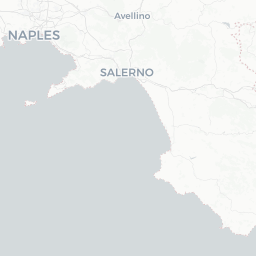
Sorrento sits on a narrow shelf of tufa cliffs above the Bay of Naples, roughly 50 km south of Naples by road. Despite a small resident population of around 15,000, the town draws a disproportionately large number of visitors because of its position: it is the most convenient jumping-off point for Capri, the Amalfi Coast, Pompeii, and Herculaneum, all reachable in under an hour.
The historic centre, Piazza Tasso and the tangle of lanes descending toward the old fishing harbour of Marina Grande give Sorrento a character distinct from the villages further along the Amalfi Coast. It is more of a proper town, with a year-round commercial life, a covered market, and a local community that exists independently of tourism.
Limoncello production remains a genuine local industry. The large, thick-skinned Sorrento lemons (IGP-protected) are grown on terraced groves just outside town and are used in liqueurs, pastries, and preserves sold throughout the region. Visitors can tour several family-run producers; verify current opening times directly with each producer before visiting.
Sorrento is not a beach destination in the conventional sense. The cliffs mean that natural sandy beaches are limited; most swimming access is from platforms, piers, or small pebbly coves reached by steep staircases or lifts cut into the rock.
Before You Go
Visas
Italy is a Schengen Area member. Visa requirements vary by nationality and are subject to change. Check TravelerPulse's Visas section and consult the official Italian immigration authority or your nearest Italian consulate well before travel.
When to Go
- April–June: Pleasant temperatures, gardens in bloom, ferries running full schedules, but before peak summer crowds.
- July–August: Hot, very busy, and significantly more expensive. Accommodation books up months in advance.
- September–October: Often considered the best balance of warm weather, accessible sites, and manageable visitor numbers.
- November–March: Most tourist-facing businesses reduce hours or close entirely. Ferry frequencies drop. The town itself is quieter and authentically local, though the weather can be grey and wet.
Health and Insurance
No destination-specific vaccinations are required for Italy. Travel health insurance that covers medical evacuation is advisable. Verify coverage details with your insurer before departure.
What to Pack
Comfortable walking shoes are essential; the town centre involves uneven stone lanes and steep staircases. If you plan day trips to religious sites on the Amalfi Coast, carry a light layer to cover shoulders and knees.
Getting There
By Air
The closest international airport is Naples Capodichino (NAP), approximately 50 km north of Sorrento. From the airport, the most practical onward connections are private transfer, the Curreri Viaggi bus service (which runs directly to Sorrento — verify current schedules and booking on the operator's official site), or a combination of city bus and Circumvesuviana train.
By Train
The Circumvesuviana commuter rail line connects Naples Porta Nolana and Naples Garibaldi (Piazza Garibaldi) with Sorrento, with stops at Pompeii Scavi and Ercolano along the way. The journey from Naples takes roughly 65–70 minutes. The service runs frequently during daylight hours; check Ente Autonomo Volturno (EAV) for current timetables and fares. The line is well-used by both locals and tourists, and petty theft has been reported — keep bags secure and in sight.
By Ferry and Hydrofoil
Sorrento's main port, Marina Piccola, has regular ferry and high-speed hydrofoil connections to Naples, Capri, and, seasonally, to Positano and other Amalfi Coast ports. Services are operated by multiple companies; schedules and frequencies are strongly seasonal. Verify current timetables and book in advance during summer.
By Road
The SS145 connects Sorrento to the A3 motorway at Castellammare di Stabia. Driving into central Sorrento is not recommended: parking is scarce and expensive, and the one-way system is confusing. If arriving by car, look for parking outside the centre and use the town on foot.
Getting Around
On Foot
The historic centre and most hotels are walkable from each other, though the terrain is hilly and some streets have significant gradients. The descent to Marina Grande involves a long staircase; many visitors take a taxi or three-wheeled ape for the return.
Local Buses
SITA Sud operates bus routes connecting Sorrento with towns along the Amalfi Coast (Positano, Amalfi, Ravello). These services are frequent in season but can be very crowded in July and August. Tickets should be purchased before boarding at tabacchi or the bus station; validate on board.
Taxis and Private Transfers
Taxis are available at Piazza Tasso and outside the train station. Confirm the fare before departing, or ensure the meter is running. Many visitors arrange private transfers for early-morning ferry connections.
Ferries for Day Trips
For Capri and Amalfi Coast day trips, the ferry from Marina Piccola is the standard approach. Arrive at the port early in peak season, as boats can sell out. Return times should be confirmed before departure.
Things to See & Do
In Sorrento Town
- Piazza Tasso: The central square and social hub. Lined with cafés and bars, it is the natural starting point for exploring the town.
- Sedile Dominova: A 15th-century loggia with frescoed walls, now used as a private club but visible from the street. One of the few surviving examples of medieval Sorrentine architecture.
- Museo Correale di Terranova: A museum of decorative arts, archaeological finds, and paintings housed in a villa with views over the bay. Verify current admission fees and opening hours on the museum's official site.
- Vallone dei Mulini: A natural gorge cut into the tufa cliff near Piazza Tasso, visible from a street-level viewpoint. The remains of old mills are visible below.
- Marina Grande: The original fishing harbour, distinct from the ferry port, with a small pebbly beach and traditional boat sheds. Less visited than the main town.
- Intarsia workshops: Sorrento has a long tradition of intarsia (wood inlay) craftsmanship. Several workshops in the centre allow visitors to observe the process.
Day Trips
- Capri: Roughly 25–50 minutes by hydrofoil or ferry. The island warrants a full day.
- Pompeii: About 30 minutes by Circumvesuviana. Allow at least half a day for the archaeological site; a full day is better.
- Amalfi Coast villages: Positano, Amalfi, and Ravello are accessible by SITA bus or ferry. Each merits its own day if possible.
- Herculaneum (Ercolano): Smaller and often better-preserved than Pompeii, reachable in about 40 minutes by Circumvesuviana.
Food & Drink
What to Eat
Sorrento's food culture draws on Campanian traditions: fresh pasta, seafood, tomatoes, buffalo mozzarella, and locally grown produce. Look for gnocchi alla sorrentina (potato gnocchi baked with tomato sauce and mozzarella), which is considered the town's signature dish. Seafood is prominent on most restaurant menus; the quality is generally high given proximity to the sea.
The Sorrento lemon (Limone di Sorrento IGP) appears in countless local preparations beyond limoncello: granita, pastries, pasta sauces, and preserved products. A delizia al limone — a dome-shaped sponge cake filled with lemon cream — is the most celebrated local pastry.
Where to Eat
The town has restaurants ranging from simple trattorias aimed at locals to more formal establishments targeting tourists. As a general rule, restaurants a street or two back from the main tourist drag around Piazza Tasso tend to offer better value. Lunch menus (menù del giorno) often represent good value at sit-down restaurants. Verify current prices on menus displayed outside before entering, as tourist-area pricing can be significantly elevated.
Drinks
- Limoncello: The local liqueur, typically served ice-cold as a digestif. Quality varies; those made by local producers from Sorrento-IGP lemons are generally superior to mass-produced versions.
- Local wines: Campania produces notable wines including Falanghina, Greco di Tufo, and Fiano di Avellino whites, and Taurasi red. These appear on most wine lists.
- Coffee: Naples and its surroundings are considered by many Italians to make the best espresso in the country. Standing at the bar to drink coffee is the local norm and is typically cheaper than table service.
Shopping
Sorrento's main shopping streets are Corso Italia and the lanes branching off it toward Piazza Tasso. The covered market near Via San Cesareo sells food products, ceramics, and souvenirs.
Intarsia woodwork is the most distinctive local craft — small decorative boxes, picture frames, and furniture panels inlaid with geometric or figurative designs. Pieces made in genuine local workshops differ substantially in quality and price from mass-imported souvenirs; if authenticity matters, visit a working studio.
Limoncello and lemon products are widely available. For better quality, buy from a named local producer rather than a generic souvenir shop. Packaging requirements for liquids in carry-on luggage apply if flying home; plan to check your bag or buy airside.
Ceramics: While Sorrento itself is not a major ceramics centre, shops stock pieces from Vietri sul Mare and other Campanian producers. Prices in Sorrento tourist shops may be higher than buying at source.
Practical Information
Money
ATMs (Bancomat) are available in the town centre. Credit and debit cards are widely accepted in hotels and most restaurants, though smaller cafés, markets, and some trattorias may be cash-preferred. Inform your bank of travel dates to avoid card blocks.
Connectivity
Free Wi-Fi is available in many hotels and some cafés. EU residents with EU SIM cards pay domestic roaming rates within Italy. Visitors from outside the EU should verify roaming charges with their carrier or consider purchasing a local SIM on arrival in Naples.
Emergency Numbers
- General emergency: 112 (pan-European)
- Police (Carabinieri): 112
- Ambulance: 118
- Fire: 115
- Coast Guard (Guardia Costiera): 1530
Tipping
Tipping is not obligatory in Italy. A coperto (cover charge) is commonly added to restaurant bills — this is legal and disclosed on the menu. If service is not included and you are satisfied, rounding up the bill or leaving a small amount is appreciated but not expected.
Accessibility
Sorrento's historic centre involves significant changes in level, narrow lanes with uneven surfaces, and steep staircases. Visitors with mobility limitations should research specific routes and accommodation accessibility carefully before arrival. The descent to the harbours is particularly challenging.
Safety
Sorrento is generally a safe destination. The primary concern for visitors is petty theft — pickpocketing and bag-snatching have been reported in crowded areas including Piazza Tasso, the train station, and on the Circumvesuviana. Keep bags zipped and worn across the body, avoid displaying expensive cameras or jewellery unnecessarily, and be alert in crowded market lanes.
The coastal roads around Sorrento, including those leading to the Amalfi Coast, are narrow and heavily trafficked in summer. If renting a scooter or driving, exercise caution and ensure your travel insurance covers the vehicle type you plan to use.
Swimming from the town's piers and platforms is popular but swimmers should be aware of boat traffic in the bay, particularly near the ferry port. Respect any posted restrictions.
For current travel advisories, check the official travel advisory service of your home government before and during travel.
Local Culture & Etiquette
Sorrento observes standard Italian social customs. Greetings in shops and restaurants — a simple "buongiorno" (before around 1pm) or "buonasera" (afternoon/evening) — are considered polite and are genuinely appreciated.
Dress codes for churches require covered shoulders and knees. A lightweight scarf or shawl is a practical solution. This applies to any religious sites visited on day trips along the Amalfi Coast as well.
The passeggiata — an early-evening walk through the main streets — is a real social ritual in Sorrento, centred on Corso Italia and Piazza Tasso. Joining it, even briefly, offers an unforced sense of local life. Peak time is typically between around 6pm and 8pm.
Sorrento celebrates the Feast of Sant'Antonino (the town's patron saint) on 14 February with processions and events — a different character to the high-season tourist experience.