Translate


Overview
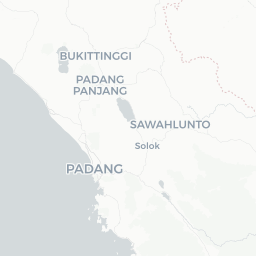
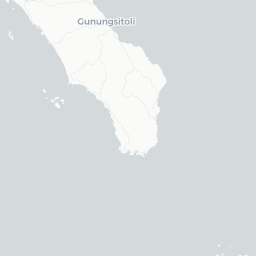
Padang is the capital of West Sumatra province and home to nearly a million people. It sits on the Indian Ocean coast at roughly 1° south of the equator, backed by the Bukit Barisan mountain range. The city is best known internationally as the origin point of Padang cuisine — one of the most widely recognised regional food traditions in Southeast Asia — but it also serves as the cultural heartland of the Minangkabau people, whose matrilineal adat (customary law) traditions are among the most distinctive in the world.
Beyond its culinary reputation, Padang functions as a practical hub. The port connects the mainland to the Mentawai archipelago, popular with surfers and ecotourists, while decent road and air links make the city a natural starting point for exploring the Minangkabau highlands around Bukittinggi, the volcanic lakes of the interior, and coastal stretches north and south of the city.
Padang was severely damaged by a major earthquake in September 2009. Reconstruction has been substantial, but some older buildings and areas still show traces of that event. The city sits in a seismically active zone, and travellers should be aware of this as part of general preparedness.
Before You Go
Visas
Indonesia's entry rules — including which nationalities qualify for visa-free access, visa-on-arrival, or require advance visas — can change. Check the TravelerPulse Visas section and the official Indonesian Directorate General of Immigration website (imigrasi.go.id) before travelling. Do not rely on secondhand information.
Health
Consult a travel health clinic at least 4–6 weeks before departure. Hepatitis A, typhoid, and routine vaccinations are commonly recommended for travel to Sumatra. Mosquito-borne illnesses including dengue fever are present; use repellent and cover up in the evenings. Tap water is not considered safe to drink — use sealed bottled water or treated water.
Climate
Padang is among the rainiest cities in Indonesia, receiving substantial rainfall throughout the year. The May–September window is relatively drier but not dry. Pack light, breathable clothing suitable for high humidity and bring waterproof layers or a compact umbrella regardless of when you visit.
Local customs
West Sumatra is a predominantly Muslim region with strong Minangkabau adat traditions. Dress modestly when visiting mosques, markets, and rural communities — shoulders and knees covered is a reasonable baseline. The Friday midday prayer period sees many businesses close temporarily. Public displays of affection are considered inappropriate.
Getting There
By Air
Minangkabau International Airport (PDG) serves Padang and is located roughly 23 km north of the city centre in Ketaping, Padang Pariaman regency. It handles domestic routes to Jakarta, Kuala Lumpur, and a number of other Indonesian cities. Direct international connections are limited; travellers from further afield typically connect through Jakarta (CGK/HLP) or Kuala Lumpur (KUL). Verify current routes and schedules directly with airlines or a booking platform, as these change seasonally.
By Land
Padang is connected by road to Bukittinggi (roughly 90 km northeast) and onward to other parts of West Sumatra and beyond. Long-distance buses operate between Padang and cities including Medan and Pekanbaru, though journey times are substantial given the mountainous terrain. Verify schedules and operators locally or at the main bus terminal.
By Sea
Ferries and fast boats operate between Padang's Muara port and islands including the Mentawai group. Schedules, journey times, and sea conditions vary significantly by season. Confirm current services locally before planning island visits.
Getting Around
Padang's city centre is navigable on foot for short distances, but the city sprawls and many points of interest — including the airport, beaches, and outer neighbourhoods — require transport.
Ride-hailing apps (Gojek and Grab) operate in Padang and are generally the most straightforward option for visitors: fares are agreed in advance via the app, removing negotiation. Both apps require a local or international phone number to register.
Angkot (shared minibuses) form the backbone of local public transport and are inexpensive, but routes can be confusing for first-time visitors. Destinations are usually marked on the vehicle; ask locals or your accommodation for guidance on relevant routes.
Ojek (motorcycle taxis) are widely available and useful for shorter trips or congested streets. Agree on a fare before departing if using an informal ojek rather than the app-based version.
Renting a private car with driver is a practical option for day trips into the surrounding highlands or along the coast — arrange this through your accommodation or a reputable local travel agent.
Things to See & Do
Coastal and Waterfront Areas
Padang's seafront along Jalan Samudera offers views of the Indian Ocean and is a popular area for an evening stroll. Air Manis beach, south of the city centre, is one of the more accessible coastal spots and is associated with the local Malin Kundang legend — a large rock formation on the beach is said to be a petrified ship from the tale. The beach itself is modest; visit for the story and scenery rather than swimming conditions, which can be rough.
Adityawarman Museum
Housed in a building designed in the style of a Minangkabau rumah gadang (traditional big house), this provincial museum holds collections covering Minangkabau history, traditional textiles, weapons, and ceremonial objects. It provides useful cultural context before venturing into the highlands. Verify current opening hours and any admission fees before visiting.
Pasar Raya Padang
The city's main market is a working commercial hub rather than a tourist attraction, but it offers an authentic window into daily life. Fresh produce, dried goods, textiles, and household items fill multiple levels. Go in the morning for the most activity.
Surrounding Day Trips
Padang is most rewarding as a base. The highland towns of Bukittinggi and Batusangkar, the Harau Valley, and Maninjau and Singkarak lakes are all within a few hours by road and are described further in the Nearby section.
Mentawai Islands
For surfers and those interested in indigenous Mentawai culture, the island chain offshore from Padang is a significant draw. Access is by boat from Muara port; the journey takes several hours depending on the destination island and vessel. This requires dedicated planning beyond a standard city visit.
Food & Drink
Padang is the home of Nasi Padang — a style of eating in which an array of pre-cooked dishes (rendang, gulai, sambal, curried vegetables, offal dishes, and more) is placed on your table and you pay only for what you eat. This format originated here and has spread across Indonesia and beyond, but eating it in Padang itself — at the city's long-established restaurants — is a different experience from the versions found elsewhere.
What to Eat
- Rendang: Slow-cooked dry beef curry, deeply spiced with coconut milk, lemongrass, and galangal. The Padang version is typically very dry and intensely flavoured.
- Gulai: A range of wet curries — fish, chicken, goat, and various offal cuts — cooked in turmeric-heavy coconut-milk sauce.
- Soto Padang: A clear, aromatic beef soup with rice vermicelli, fried potato cakes, and crispy beef — distinct from sotos elsewhere in Indonesia.
- Ayam Pop: Poached chicken with a pale exterior, typically served with Padang sambal — a local favourite that surprises visitors expecting only rich, spiced dishes.
- Martabak: Stuffed savoury or sweet pancakes available from street vendors, particularly in the evenings.
Practicalities
Most Padang restaurants are halal. Alcohol is not widely available in the city given the Muslim-majority population — some hotels catering to international visitors may stock it, but do not assume. The local coffee culture is strong; small warungs (informal eateries) serve strong, sweet kopi throughout the day.
Shopping
Padang's shopping scene is primarily practical and local rather than tourist-oriented. Pasar Raya, the main market, is the best place to find everyday goods, fresh food, and some local textiles at realistic prices. Minangkabau songket (hand-woven silk cloth with gold or silver thread) and embroidered fabrics are the most distinctively regional craft items; quality and price vary widely, and buying from established textile shops or directly from weaving villages in the highlands (particularly around Pandai Sikek near Bukittinggi) usually yields better results than market stalls.
Silverwork is another traditional Minangkabau craft — look for pieces from Koto Gadang village near Bukittinggi if you are visiting the highlands. In the city itself, a handful of shops near the central market area sell silver jewellery, though provenance and quality should be verified before purchasing. Several modern shopping malls serve everyday needs and are useful if you need electronics, pharmacies, or familiar branded goods.
Practical Information
Money
ATMs accepting international cards are present in Padang, including at the airport and in central commercial areas. Carry some cash in IDR for markets, street food, and smaller establishments that do not accept cards. Inform your bank of your travel plans before departure.
Connectivity
Local SIM cards with data are widely available at the airport and convenience stores — bring your passport as registration is required. Coverage within the city is generally good; it becomes patchier in remote highland and coastal areas.
Electricity
Indonesia uses Type C and Type F plugs (two round pins) at 220–240V, 50Hz. Bring a universal adapter if your devices use different plug types.
Emergency contacts
Verify current local emergency numbers upon arrival — ask your accommodation for the relevant contacts for police, ambulance, and hospital services. The general Indonesian emergency number is 112, but confirm this is operable in the local area.
Medical facilities
Padang has hospitals and clinics, but for serious medical conditions, evacuation to Singapore or Jakarta may be recommended. Ensure your travel insurance covers medical evacuation. Bring an adequate supply of any prescription medications, along with documentation from your doctor.
Safety
Padang is a reasonably safe city for travellers exercising standard precautions. Petty theft — pickpocketing, bag-snatching — can occur in crowded markets and busy streets. Keep valuables secured and be aware of your surroundings.
Seismic risk is the most significant safety consideration in Padang. The city lies near the Sunda megathrust fault system and has experienced destructive earthquakes; the 2009 earthquake caused widespread casualties and damage. Familiarise yourself with your accommodation's earthquake and tsunami evacuation procedures on arrival. Tsunami evacuation routes are marked in parts of the city — note their locations. If you feel a prolonged strong tremor near the coast, move to higher ground immediately without waiting for official warnings.
Road conditions and driving standards on routes out of the city — particularly mountain roads toward Bukittinggi — require attention. If travelling by bus or hired car, choose reputable operators and avoid travelling these roads at night if possible.
For current travel advisories, check your home government's official travel advice portal before and during your trip.
Local Culture & Etiquette
Padang is the urban centre of Minangkabau culture, one of the world's largest matrilineal societies — property, clan membership, and family names pass through the mother's line. This coexists with devout Islamic practice in a way that is distinctive to the region. Understanding this duality helps visitors make sense of local life: women hold significant social and economic authority within the adat system, while Islamic observance shapes daily rhythms, diet, and dress.
The rumah gadang, the traditional Minangkabau communal house with its dramatically curved, horn-like roof, is the most visible architectural expression of the culture. While original examples are more common in villages and the highlands, the roofline motif appears throughout Padang in public buildings, the museum, and decorative elements around the city.
Friday is the most significant day of the week — the midday Jumu'ah prayer sees streets quiet and many businesses briefly closed. Ramadan changes the tempo of the entire city: restaurants may not serve food publicly during daylight hours, and the evenings become lively with iftar markets. If visiting during Ramadan, adapt your schedule accordingly and show respect by not eating or drinking in public during fasting hours.
Greeting people with a respectful 'Assalamu'alaikum' (if you are comfortable doing so) or a simple 'Selamat pagi/siang/sore' (good morning/afternoon/evening) is appreciated. Receiving and giving items with the right hand or both hands is courteous; the left hand is considered unclean in local custom.