ترجمه
ترجمهOverview
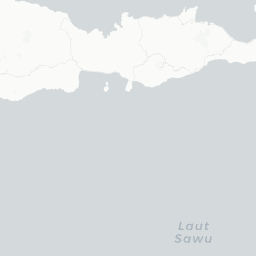
Labuan Bajo sits at the western tip of Flores island in East Nusa Tenggara, one of Indonesia's less-developed provinces. Once a small fishing village, it has grown steadily into one of the country's most-visited gateway towns, driven almost entirely by its proximity to Komodo National Park — a UNESCO World Heritage Site. The harbour remains the visual and practical heart of the town, lined with wooden fishing boats (jukung) and charter vessels heading out to the islands.
Despite rapid tourism development, Labuan Bajo retains a working-town character. The main strip along Jalan Soekarno-Hatta holds travel agencies, dive operators, restaurants, and small hotels packed closely together. Above and behind the harbour, hillside viewpoints and a handful of boutique properties offer a quieter perspective over the bay.
The surrounding sea is the main draw. The Flores Sea here is dotted with rugged limestone islands, pink-sand beaches, manta ray feeding stations, and some of the best dive sites in Southeast Asia. Labuan Bajo functions primarily as a base; the islands and reefs are where most visitors spend their time. Plan accordingly — a stay of fewer than three nights rarely does the area justice.
Before You Go
Visas
Indonesia operates a visa-on-arrival scheme for many nationalities, but rules, fees, and eligible entry points change. Do not rely on outdated guidance. Check TravelerPulse's Visas section and confirm current requirements with Indonesia's Directorate General of Immigration (imigrasi.go.id) before travelling.
Health
- Mosquito-borne diseases including dengue are present; use repellent and cover up at dusk.
- Malaria risk exists in parts of East Nusa Tenggara — consult a travel medicine clinic well before departure.
- Bring any prescription medication you need; pharmacy stock in Labuan Bajo is limited compared to major cities.
- The nearest hospitals with significant capacity are in Ruteng or Kupang; serious medical cases may require evacuation to Bali or Jakarta. Travel insurance with medical evacuation cover is strongly advised.
Practical prep
- ATMs are available in town but can run out of cash or have connectivity issues; carry a reasonable cash reserve.
- Mobile data (Telkomsel and XL are the strongest networks in the region) works across most of the town; signal drops at sea.
- Labuan Bajo is a rapidly changing destination — entrance fees to Komodo National Park, park access rules, and boat permit requirements have shifted multiple times in recent years. Verify the current situation with a reputable local operator or the park authority before booking.
Getting There
By air
Komodo Airport (LBJ) serves Labuan Bajo with domestic flights from Bali (Ngurah Rai), Jakarta, Lombok, and other Indonesian cities. Several national carriers operate these routes; flight time from Bali is roughly one hour. The airport is a few kilometres from the town centre and accessible by taxi or ojek (motorcycle taxi). Verify schedules and book in advance during peak season (July–August).
By ferry
Pelni (Indonesia's national ferry company) and private fast-boat operators connect Labuan Bajo with Lombok, Sumbawa, and other points along the Flores–Bali route. Journey times are long — the slow ferry from Lombok takes the better part of a day — but the route is popular with budget travellers on the 'Gili to Flores' trail. Check schedules locally or on the Pelni website (pelni.co.id), as timetables change seasonally.
By road
Flores has a trans-island highway, and some travellers arrive overland from Ruteng or further east, but distances are significant and road conditions vary. This option is mainly chosen by travellers who have already been exploring the island rather than as a primary arrival method.
Getting Around
In town
Labuan Bajo's central area is walkable, though the equatorial heat makes long walks tiring midday. Ojek (motorcycle taxis) are the default short-distance option and are easy to hail or book through apps. Becak (cycle rickshaws) operate in some parts of town. Car rental with or without a driver is available through local agencies — useful for day trips to viewpoints and villages on Flores.
To the islands
Boat charter is the primary way to reach the islands of Komodo National Park and surrounding areas. Options range from day-trip speedboats (organised through hotels or waterfront agencies) to multi-day liveaboard vessels that cover more remote sites. Prices, boat quality, and safety standards vary widely — inspect vessels and check for life jackets and certified crew before departing. The harbour area has dozens of operators; shop around and ask other travellers for recent recommendations.
Komodo National Park access
Entry to the park requires a valid permit. The ticketing and access system has been subject to changes in recent years, including periods when independent access was restricted and organised tours required. Verify the current policy with a local operator or the park authority before planning.
Where to Stay
Accommodation in Labuan Bajo ranges from budget guesthouses and backpacker hostels on and behind the main strip to mid-range hotels and a growing number of higher-end hillside properties and eco-resorts with bay views. The town has expanded uphill rapidly, and some of the better-regarded properties are on the heights above the harbour where it is quieter and views are broader.
Liveaboard vessels are a distinct accommodation category: multi-day boat journeys that combine sleeping, diving, and island visits. They range from basic wooden phinisi (traditional schooners) to purpose-built dive boats with private cabins and modern equipment. Liveaboards allow access to more remote sites and eliminate the daily commute from town.
During peak season (July–August and around Indonesian public holidays), accommodation fills quickly. Book ahead. Verify cancellation policies — weather-related itinerary changes are common on the water and having flexible bookings matters.
Things to See & Do
Komodo National Park
The park encompasses Komodo, Rinca, Padar, and dozens of smaller islands. The Komodo dragon (Varanus komodoensis), the world's largest living lizard, is the headline attraction and can be observed on guided walks on Komodo and Rinca islands. Rangers accompany all visitors into the dragon habitat — this is non-negotiable for safety. Rinca is closer to Labuan Bajo and often visited on shorter trips; Komodo island requires a longer boat ride but sees slightly fewer visitors.
Diving and snorkelling
- The Flores Sea around Komodo is considered one of the world's premier dive destinations. Strong currents bring nutrients that support extraordinary marine life including manta rays, reef sharks, pygmy seahorses, and dense coral.
- Manta Alley and Manta Point are well-known manta aggregation sites.
- Batu Bolong and Crystal Rock are among the most-cited dive sites for sheer fish density.
- Many operators offer single dives, dive packages, and PADI certification courses. Standards and equipment vary; check credentials.
Padar Island viewpoint
The hike to Padar's hilltop viewpoint is one of the most photographed scenes in Indonesia — a panorama of three bays with differently coloured sand. The trail is steep and exposed; go early to avoid both heat and crowds.
Pink Beach (Pantai Merah)
One of several beaches worldwide with visibly pinkish sand, caused by red coral fragments mixing with white sand. Swimming and snorkelling are popular here.
Labuan Bajo town
The Bukit Cinta and nearby hills offer sunset views over the harbour. The waterfront is good for an evening walk. A local fish market operates in the early morning near the port.
Food & Drink
Labuan Bajo's food scene has diversified significantly with tourism. The waterfront and main strip hold a wide range of options, from simple Indonesian warung to restaurants aimed at international visitors.
What to eat
- Ikan bakar (grilled fish) is the local staple and widely available; fresh catch from the Flores Sea is a highlight.
- Nasi campur (rice with a selection of side dishes) and mie goreng (fried noodles) are reliable budget options at warung.
- Seafood restaurants along the waterfront allow you to select your fish by weight before it's cooked — confirm pricing before ordering.
- Manggarai cuisine (the dominant local culture of western Flores) features rice, corn, and dishes such as rebok (a fermented corn preparation) — harder to find in tourist-facing restaurants but available at local warung.
Drinks
- Fresh coconut water (kelapa muda) is widely available and refreshing.
- Indonesia is a majority-Muslim country but alcohol is available in Labuan Bajo at restaurants and bars catering to tourists; expect higher prices than elsewhere in Indonesia.
- Tap water is not safe to drink; stick to bottled or filtered water and use reusable bottles where possible to reduce plastic waste.
Practical Information
Money
Cash (IDR) remains important; not all restaurants, small warung, or boat operators accept cards. ATMs are available in central Labuan Bajo but can be unreliable. Carry enough cash for several days, particularly if going on a liveaboard or remote day trip.
Connectivity
Mobile data via Indonesian SIM cards (Telkomsel has the widest coverage in eastern Indonesia) works well in town. At sea and on more remote islands, expect no signal. Wi-Fi is available at most hotels and many cafés but speeds vary.
Electricity
Indonesia uses 220V/50Hz with Type C and Type F plugs (European-style round pins). Bring a universal adapter if needed.
Responsible travel
- Komodo National Park is under ongoing conservation pressure. Follow ranger instructions, do not touch or feed wildlife, and stay on designated paths.
- Marine environments are fragile; use reef-safe sunscreen, do not touch coral, and choose operators who enforce responsible dive and snorkel conduct.
- Plastic waste is a significant issue in this part of Indonesia; minimise single-use plastic where possible.
Emergency contacts
For police, medical, and fire emergencies in Indonesia, the national emergency number is 112. Verify locally which hospitals and clinics in Labuan Bajo can handle the type of care you might need.
Safety
Labuan Bajo is generally considered safe for visitors by Indonesian standards. Petty theft can occur in busy tourist areas; keep valuables secured and be attentive in crowded spots.
The main safety considerations are maritime. The seas around Komodo can have strong currents, sudden weather changes, and significant swells, particularly outside the April–August dry season. Diving and snorkelling in strong currents requires experience or appropriate supervision — be honest with operators about your skill level. Inspect any boat for the presence of life jackets and basic safety equipment before departing. Avoid unlicensed or obviously poorly maintained vessels.
Komodo dragons are genuinely dangerous animals. They have attacked and killed humans. Always stay with your ranger guide, maintain the recommended distance, and follow all instructions. Do not wander off paths or approach dragons independently.
Local Culture & Etiquette
Western Flores is home to the Manggarai people, who have their own distinct language, customs, and traditions. The region is predominantly Catholic — an unusual feature in a majority-Muslim country, a result of Portuguese colonial influence and later Dutch missionary activity. Churches are a visible part of the landscape, and Sunday is observed as a day of rest in many communities.
Tradition remains important in Manggarai culture. The compang (traditional circular village layout with a sacred central space) and caci (a ritual whip-and-shield martial art performed at ceremonies and festivals) are expressions of local identity still practised in villages around Flores, though less visible in Labuan Bajo itself. If you have the opportunity to visit a traditional village inland, do so respectfully and ideally with a local guide who can provide context.
Dress modestly when visiting churches, markets, and villages — shoulders and knees covered is a reasonable baseline. Asking permission before photographing people is both polite and appreciated.