Overview
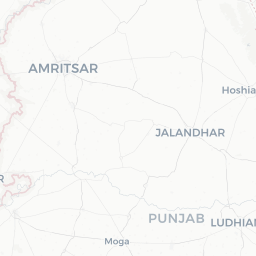
Amritsar is the spiritual and cultural heart of the Sikh faith, a city of roughly 1.2 million people in the northwest Indian state of Punjab. Founded in 1577 by Guru Ram Das, the fourth Sikh Guru, the city grew around the sacred pool (sarovar) that gives it its name — 'Pool of the Nectar of Immortality.'
The city's dominant landmark is Harmandir Sahib, commonly called the Golden Temple, which draws hundreds of thousands of pilgrims and visitors every week and operates one of the world's largest free community kitchens (langar). Beyond the temple complex, Amritsar carries the weight of modern history: the Jallianwala Bagh massacre of 1919 took place just a short walk away, and the city sits close to the Pakistan border, where a famous daily flag-lowering ceremony at Wagah draws large crowds.
Amritsar is a compact, walkable old city surrounded by a more sprawling modern urban area. The historic walled city retains narrow lanes, bustling bazaars, and havelis (traditional courtyard houses), making it as interesting to wander as it is to visit specific sites.
Before You Go
Visas
Most international visitors require a visa to enter India. Requirements, fees, and e-visa eligibility vary significantly by nationality. Check TravelerPulse's Visas section and consult the official Indian Bureau of Immigration website for current and accurate information before making any travel plans.
Health
No vaccinations are mandatory for entry from most countries, but travel health clinics typically recommend hepatitis A, typhoid, and routine immunisations. Consult a travel medicine professional well in advance. Tap water in Amritsar is not safe to drink; bottled or filtered water is widely available.
When to Go
- October–March: Cool, dry weather makes sightseeing comfortable. December and January nights can be cold (near or below 5 °C); pack layers.
- April–June: Temperatures climb sharply, often exceeding 40 °C by May and June. Crowds thin but the heat is intense.
- July–September: Monsoon brings humidity and occasional heavy rain, though rainfall is lighter here than in other parts of India.
What to Pack
Modest, covered clothing is required inside religious sites. Carry a head covering (a bandana or scarf is fine) for entering the Golden Temple. Comfortable walking shoes are useful for the old city's lanes.
Getting There
By Air
Sri Guru Ram Dass Jee International Airport (ATQ) is located approximately 11 km from the city centre. It receives domestic flights from major Indian cities and a limited number of international routes, particularly to destinations with large Punjabi diaspora communities. Verify current routes and schedules with airlines or a booking platform, as service changes frequently.
By Train
Amritsar Junction is a major railway station on the Indian Railways network with good connections to Delhi, Mumbai, Kolkata, and other cities. The Shatabdi Express (Delhi–Amritsar) is a popular daytime option; journey time from Delhi is roughly five to six hours. Book tickets through the official Indian Railways website (irctc.co.in) in advance, especially around festivals.
By Road
Amritsar is connected to Delhi by National Highway 44, a journey of approximately 450 km. Interstate bus services operated by Punjab Roadways and Himachal Road Transport Corporation, as well as private operators, run regular services from Delhi, Chandigarh, and other regional cities. Journey times vary considerably depending on traffic and route.
Getting Around
Within the Old City
The area immediately surrounding the Golden Temple — including Jallianwala Bagh and the main bazaars — is best explored on foot. Streets in the walled city are narrow and traffic can be chaotic; walking is often faster than riding.
Auto-rickshaws and Cycle-rickshaws
Auto-rickshaws are the most common mode of short-distance transport and are available throughout the city. Agree on a fare before boarding; meters are rarely used. Cycle-rickshaws are common in the old city and suitable for short hops.
App-based Taxis
Ola and other ride-hailing apps operate in Amritsar and can be a convenient, price-transparent alternative for longer distances, such as the trip to the airport or the Wagah Border.
To Wagah Border
The border crossing is approximately 28–30 km from the city centre. Auto-rickshaws, shared jeeps, and private taxis all make the run. Departing early enough in the afternoon to arrive well before the ceremony begins is advisable, as seating fills quickly.
Where to Stay
Amritsar has accommodation across a broad range of budgets, concentrated mainly in two areas: the old city near the Golden Temple, and the newer districts along Lawrence Road and near the railway station.
Near the Golden Temple
Staying close to the temple allows you to visit during quiet early-morning hours and experience the atmosphere at different times of day. Several guesthouses and mid-range hotels operate in this area. The Golden Temple itself maintains pilgrim accommodation (serais) free of charge or at a nominal donation; these are intended primarily for pilgrims and fill quickly — verify availability directly with the Shiromani Gurdwara Parbandhak Committee (SGPC).
Mid-range and Business Hotels
A number of established hotel chains and independent properties operate on Lawrence Road and in the areas surrounding the railway station. These typically offer more consistent facilities for business and leisure travellers who do not need to be within walking distance of the temple.
General Advice
Demand peaks significantly around Sikh festivals — particularly Baisakhi (April) and Gurpurab (the anniversary of Guru Nanak's birth, in November) — and during Indian school holiday periods. Booking accommodation in advance during these periods is strongly advised. Verify current rates directly with properties or through a reputable booking platform.
Things to See & Do
Harmandir Sahib (Golden Temple)
The spiritual centrepiece of Sikhism is open to people of all faiths and backgrounds, every day, around the clock. The complex comprises the gilded shrine on a marble platform surrounded by the Amrit Sarovar (sacred pool), as well as the Akal Takht (supreme seat of Sikh temporal authority) and the Langar Hall. Entry is free. Visitors must cover their heads and remove shoes before entering; shoe storage and head coverings are available on-site. The atmosphere is most atmospheric — and most crowded — early in the morning and again around sunset.
Langar at the Golden Temple
The community kitchen serves a free vegetarian meal to all visitors regardless of background, every hour of every day. Accepting a meal is welcomed and considered an act of participation in a core Sikh principle (seva, or selfless service). Queue with other visitors; the experience of eating together on the floor with pilgrims from around the world is remarkable.
Jallianwala Bagh
A short walk from the Golden Temple, this public garden marks the site of the 1919 massacre in which British colonial troops fired on a crowd of unarmed civilians, killing hundreds. The garden contains memorials, a flame, and sections of the original wall still bearing bullet marks. A museum on-site provides historical context. Verify current opening hours and any admission arrangements locally.
Wagah Border Ceremony
Each evening before sunset, the Indian Border Security Force and Pakistan Rangers conduct a joint flag-lowering parade at the Wagah-Attari border crossing. The ceremony involves high-stepping drills and considerable crowd participation. Seating is allocated separately for men and women and for nationals and foreigners; arrive well in advance. Check locally for any security restrictions that may affect visitor access on a given day.
Partition Museum
Located in the Town Hall building near the old city, the Partition Museum documents the 1947 partition of British India through personal testimonies, artefacts, and archives. It is one of the few institutions in the world dedicated to this subject. Verify current opening hours and admission fees before visiting.
Durgiana Temple
Often called the Silver Temple, this Hindu shrine sits within a complex built on a sarovar similar in layout to Harmandir Sahib. It is a working place of worship and considerably quieter than the Golden Temple complex.
Bazaars of the Old City
- Katra Jaimal Singh Market: A dense commercial bazaar strong on fabrics and ready-made clothing.
- Hall Bazaar: A central shopping street for general goods, brassware, and everyday items.
- Lawrence Road: A broader, more modern shopping strip slightly outside the old city.
Food & Drink
What to Eat
Amritsar is widely regarded as one of the best cities in India for Punjabi food. The local diet is robust, wheat-based, and often cooked in large quantities of ghee or butter. Key dishes to try include:
- Amritsari kulcha: Stuffed flatbread baked in a tandoor and typically served with chole (spiced chickpeas) and a generous pat of butter. The Kesar Da Dhaba area of the old city is associated with long-standing kulcha vendors.
- Lassi: Thick, sweetened yoghurt drink served in large clay or steel cups. Look for shops near the Golden Temple precinct.
- Amritsari fish: Battered and fried river fish seasoned with ajwain and spices; common as street food and in dhabas (roadside eateries).
- Dal makhani: Slow-cooked black lentils with butter and cream; a staple of Punjabi cooking found everywhere.
- Paya and nihari: Slow-cooked meat broths available in older parts of the city, often as an early-morning dish.
Practical Notes
The Golden Temple langar serves vegetarian food only and is open to all — participating is recommended at least once. The old city has numerous dhabas and modest restaurants serving reliable, inexpensive food. Alcohol is available at licensed restaurants and some hotels; Punjab is not a dry state, but public drinking is not practised. Street food is abundant; exercise the usual judgement about hygiene standards and freshly cooked items.
Shopping
Amritsar is a practical shopping destination for Punjabi textiles, crafts, and religious items rather than a luxury retail hub. Notable purchases include:
- Phulkari embroidery: Traditional hand-embroidered textiles from Punjab, historically made as domestic craft. Quality and authenticity vary; dedicated shops in and around Hall Bazaar stock a range of pieces from everyday to collector quality.
- Juttis: Hand-stitched leather or fabric footwear in bright colours and traditional designs, widely available in the old city bazaars.
- Brassware and copperware: Cooking and decorative items are common in the markets.
- Walnuts and dried fruit: The region's proximity to Jammu and Kashmir means high-quality dried goods are available in the spice and provisions markets.
- Religious items: Kirpans (ceremonial daggers), prayer beads, and Sikh religious texts are sold in shops around the Golden Temple; purchasing these should be done with respect for their significance.
Bargaining is normal in bazaars and informal shops; fixed-price shops are generally clearly marked as such.
Practical Information
Money
ATMs are widely available in the city centre and near the Golden Temple complex. Most mid-range and upscale hotels and larger restaurants accept cards. Street food, dhabas, rickshaws, and bazaar shopping typically require cash. Carry a mix.
Connectivity
SIM cards from Indian operators (Airtel, Jio, Vi) are available at the airport and in the city; a local SIM offers affordable data. Foreign visitors will need their passport to register a SIM. Wi-Fi is available in most hotels and many cafes.
Emergency Numbers
In India, the national emergency number is 112 (police, fire, and ambulance). Verify locally for any Amritsar-specific health facility contacts relevant to your stay.
Medical
Amritsar has both government and private hospitals. For non-emergency concerns, pharmacies (chemists) are abundant and pharmacists often assist with common ailments. Carry any prescription medication in clearly labelled packaging with a copy of the prescription.
Photography
Amritsar is an intensely photogenic city, but photograph people only with permission. Inside religious sites, read posted notices about photography restrictions and defer to the sensibilities of worshippers.
Safety
Amritsar is generally considered a safe city for travellers, including solo visitors. The area around the Golden Temple is very heavily visited and patrolled, and petty crime targeting tourists is relatively uncommon compared to larger Indian cities, though standard precautions apply: watch your belongings in crowded bazaars, be alert around busy transit hubs, and secure valuables.
The proximity to the Pakistan border means there is a visible security and military presence in and around the city, which is routine and not a cause for concern. The Wagah Border ceremony itself takes place in a secure, controlled environment.
As with any city, be cautious of unsolicited offers of 'free tours' or arrangements from strangers, particularly near major tourist sites. Touts occasionally operate near the Golden Temple precinct.
Check your government's current travel advisory for India before your trip, as conditions can change. At the time this guide was compiled, no specific elevated warning applied to Amritsar city itself, but always verify current status.
Local Culture & Etiquette
Sikhism and the Temple
Amritsar is the holiest city in the Sikh faith and functions as its de facto spiritual capital. Visitors of all backgrounds are genuinely welcome at the Golden Temple and other gurdwaras, but respectful conduct is expected: cover your head, remove shoes, do not smoke or consume alcohol within the complex, and avoid pointing your feet toward the Guru Granth Sahib (the Sikh holy scripture). Photography is generally permitted in outer areas of the complex but is approached with more sensitivity closer to the shrine itself — observe what other visitors are doing and use discretion.
Punjabi Culture
Amritsar is an intensely Punjabi city — warm, loud, and hospitable in a direct way that can feel overwhelming to first-time visitors but is rarely unwelcoming. Mealtimes are taken seriously, and refusing food or drink when offered in someone's home is sometimes considered impolite; saying you have just eaten is usually accepted.
Historical Weight
The city carries significant historical complexity: as a centre of Sikh identity, as the site of the Jallianwala Bagh massacre, and as a city shaped profoundly by the 1947 Partition. Conversations about religion, Pakistan, and the political history of Punjab can be nuanced and personal. Engage with curiosity and respect rather than assumptions.