Overview
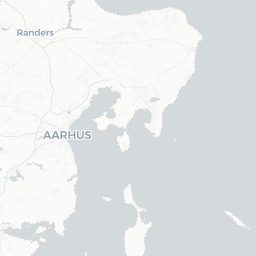
Århus (also spelled Aarhus) is Denmark's second-largest city, sitting on the eastern coast of the Jutland peninsula at roughly 56°N. With a population of around 285,000, it carries the energy of a genuine city while remaining compact and walkable. The Århus River runs through a pedestrianised canal district lined with cafés and bars, and the harbour has been substantially redeveloped over the past two decades into a lively waterfront neighbourhood.
The city has a large university — Aarhus University, founded in 1928 — which gives it a notably youthful character year-round. That student population sustains an unusually dense concentration of independent restaurants, live music venues, and cultural institutions relative to the city's size. Locals often describe Århus as having big-city culture without big-city stress.
Historically, Århus is one of the oldest cities in Scandinavia, with Viking-age roots documented from at least the 8th century. Layers of that history are visible in the old town, the cathedral, and the open-air museum Den Gamle By. Today the city is also a node for design and architecture, exemplified by the Iceberg residential complex on the harbour and the Infinite Bridge public art installation that periodically returns to the nearby coast.
Before You Go
Denmark is a member of the European Union and the Schengen Area. Entry requirements vary significantly by nationality and passport. For accurate, current visa and entry information, check TravelerPulse's Visas section and the official Danish Immigration Service website (newtodenmark.dk).
Health and vaccinations: No destination-specific vaccinations are required for most travellers. Denmark has a high standard of public healthcare. EU/EEA citizens should carry a valid European Health Insurance Card (EHIC). Non-EU visitors are advised to arrange comprehensive travel health insurance before departure.
Practical prep:
- Tap water is safe to drink throughout Denmark.
- Credit and debit cards are accepted almost universally; carrying large amounts of cash is unnecessary.
- Tipping is not obligatory in Denmark but rounding up a restaurant bill or leaving a small tip is appreciated.
- Danes cycle extensively; be aware of dedicated cycle lanes on streets and pavements — they are not footpaths.
- Pharmacies (Apotek) are easy to find in the city centre.
Getting There
By Air
Aarhus Airport (AAR) is located in Tirstrup, approximately 40 km northeast of the city centre. It handles a limited number of European routes; verify current airlines and destinations directly with the airport. Copenhagen Airport (CPH) is Denmark's main international hub and connects to Århus by frequent intercity train (journey time roughly 3 hours); many travellers find flying into Copenhagen and taking the train more convenient.
By Train
DSB (Danish State Railways) operates regular intercity services between Copenhagen and Århus. Trains depart frequently and the journey crosses the Great Belt Bridge. Álborg, Odense, and other Danish cities are also well connected by rail. Check dsb.dk for current timetables and fares.
By Bus
Long-distance coach services (including FlixBus and domestic operators) link Århus with Copenhagen and several other Scandinavian cities. Journey times are longer than rail but fares are often lower.
By Car
Århus is accessible via the E45 motorway running north–south through Jutland. Driving from Copenhagen involves the E20 and the Storebælt toll crossing. Parking in the city centre is limited and fee-based; verify current parking zones on the municipality website or use a navigation app.
Getting Around
The city centre of Århus is compact enough to explore largely on foot. The main shopping street (Strøget/Ryesgade area), the Latin Quarter, the canal district, and the cathedral are all within easy walking distance of each other.
City bus: Midttrafik operates an extensive bus network covering the city and surrounding region. The Letbanen (light rail line) opened in stages and connects central Århus with suburbs to the north and south. Tickets can be purchased via the Midttrafik app or at machines; validate before boarding.
Cycling: Århus is a cycling city. Rental bikes and shared bike schemes are available; verify current operators locally, as these change. Using a bicycle is often the fastest way to cover short to medium distances.
Taxis and ride-hailing: Licensed taxis are available at ranks and can be booked by phone or app. Verify which ride-hailing apps operate in Denmark at the time of travel.
Harbour bus: A harbour bus (boat service) connects points along the waterfront and is covered by standard public transport tickets. Check Midttrafik for current routes and operating times.
Things to See & Do
Museums and Culture
- ARoS Aarhus Art Museum — One of the largest art museums in Northern Europe, known for its permanent collection and the Rainbow Panorama rooftop installation by Olafur Eliasson. Verify current opening hours and admission fees at aros.dk.
- Den Gamle By (The Old Town) — An open-air museum of urban history featuring relocated historic buildings from across Denmark, including a reconstructed 1970s neighbourhood. Check dengamleby.dk for current details.
- Moesgaard Museum (MOMU) — Located south of the city in a striking landscape-integrated building, it focuses on prehistory and ethnography. The Grauballe Man, a remarkably preserved bog body from the Iron Age, is on permanent display. Verify hours at moesgaardmuseum.dk.
- Aarhus Cathedral (Aarhus Domkirke) — The longest church in Denmark, with medieval frescoes and a history stretching back to the 12th century. Free to enter at most times; verify locally.
- The Viking Museum — A small but significant museum beneath the city centre, built around excavated Viking-age remains discovered during construction.
Outdoors
- Riis Skov and Marselisborg Forests — Large woodland areas directly south of the city, popular for walking and cycling. Marselisborg Palace, the Danish royal family's summer residence, is set within the forest; the palace gardens are open to the public when the royals are not in residence — verify before visiting.
- Infinite Bridge and Moesgaard Beach — The coastline south of the city offers sandy beaches and occasional public art installations.
- Botanical Garden — A green space near the university and Den Gamle By suitable for a quiet walk.
Festivals and Events
- Aarhus Festival (Aarhus Festuge) — An annual multi-disciplinary cultural festival held in late summer, typically early September. Covers music, theatre, visual arts, and urban events across the city.
- NorthSide Festival — An outdoor music festival held in June. Verify lineup and ticketing at northside.dk.
Food & Drink
Århus has developed a food scene that punches well above its population size. The city has attracted serious culinary attention over the past decade, and a cluster of ambitious restaurants has emerged alongside a longstanding culture of casual neighbourhood dining.
What to Eat
- Traditional Danish smørrebrød (open-faced rye bread sandwiches) remains a lunchtime staple and is widely available.
- New Nordic cooking — emphasising seasonal, often foraged local ingredients — is well represented across various price points.
- The Aarhus Street Food market (located in a converted warehouse near the harbour at the time of writing; verify current location) offers a wide range of cuisines in an informal setting.
Where to Eat and Drink
The Latin Quarter and the streets around the canal district (Åboulevarden) are the densest concentrations of restaurants, cafés, and bars. The harbour neighbourhood (Aarhus Ø) has newer dining options alongside the redeveloped waterfront. The area around Jægergårdsgade is known for independent and international eateries.
Coffee Culture
Specialty coffee culture is well established in Århus. Independent roasters and cafés are scattered throughout the centre; asking locals for current recommendations is reliable given how frequently the scene evolves.
Drinking
Danish craft beer has grown substantially; local bars frequently stock Danish microbreweries alongside international options. The legal drinking age for purchasing alcohol is 16 for beverages up to 16.5% ABV and 18 for stronger drinks.
Shopping
The main pedestrian shopping street runs through the city centre and includes both international chains and Danish retailers. For more distinctive shopping, the Latin Quarter (Latinerkvarteret) — a network of cobblestone lanes north of the cathedral — has independent boutiques, vintage clothing shops, bookshops, and design stores.
Danish design goods, including ceramics, textiles, and furniture, are well represented in specialty shops across the city. The harbour area has attracted some design-focused retailers.
VAT refunds: Denmark applies a 25% VAT rate. Non-EU visitors may be eligible for a tax refund on purchases above a minimum threshold when exporting goods; look for shops displaying the tax-free shopping sign and retain receipts. Procedures and minimum amounts should be verified at time of travel.
Practical Information
Emergency services: The pan-European emergency number 112 connects to police, fire, and ambulance services in Denmark. The non-emergency police number is 114.
Electricity: Denmark uses Type K plugs (three round pins) and operates at 230V/50Hz. Visitors from North America will need both a plug adapter and a voltage converter for non-universal devices.
Internet and SIM cards: Free Wi-Fi is widely available in hotels, cafés, and public spaces. EU roaming rules mean EU/EEA mobile subscribers generally use their home plan without surcharge; verify with your provider. Prepaid SIM cards are available at phone shops and some supermarkets.
Pharmacies: Look for the green Apotek sign. Pharmacies operate standard retail hours; some have extended or emergency hours — verify locally.
Post: Post Danmark services are available; verify current post office locations, as postal services in Denmark have undergone restructuring and many counters operate inside supermarkets or convenience stores.
Time: Denmark observes Central European Time (UTC+1) in winter and Central European Summer Time (UTC+2) from late March to late October.
Safety
Århus is generally considered a safe city by European standards. Petty theft such as pickpocketing can occur in crowded areas, on public transport, and around major tourist sites — standard precautions apply.
The Gellerup and Toveshøj neighbourhoods (west of the centre) have historically had higher rates of certain types of crime compared to the city average. While these are not destinations tourists typically have reason to visit, travellers should be aware. The situation is subject to change; consult current travel advisories from your home country's foreign ministry before travel.
Traffic safety note: cycle lanes in Danish cities are heavily used and cyclists have right of way. Look carefully in both directions — including for cyclists — before stepping off a pavement.
Local Culture & Etiquette
Danes generally value directness, punctuality, and a relaxed informality in social settings. The concept of hygge — a sense of cosy, convivial wellbeing — is genuinely embedded in daily life rather than purely a tourist concept; you'll encounter it in the preference for candlelit interiors, lingering over coffee, and unhurried meals.
Queuing is taken seriously. Maintain orderly lines at transport stops, shops, and service counters. Cutting in line is considered rude.
Danes are among the most English-proficient non-native speakers in the world; you are unlikely to encounter significant language barriers in Århus. Making a small effort with basic Danish greetings (hej for hello, tak for thank you) is nonetheless appreciated.
Cycling is a dominant part of daily life and culture, not a recreational novelty. Pedestrians should remain on footpaths and respect cycle infrastructure. Many locals will be cycling in ordinary clothes at all times of year.