Translate
Overview
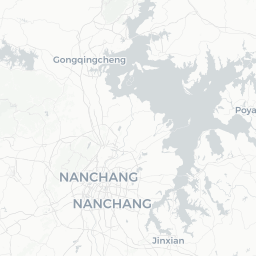
Nanchang is the provincial capital of Jiangxi, situated on the Gan River in eastern-central China with a population of roughly 2.4 million. It sits at a geographic crossroads between the coastal provinces and China's interior, giving it a history shaped by trade, revolution, and culture stretching back more than 2,000 years.
The city holds an outsized place in modern Chinese history: on August 1, 1927, communist forces launched an armed uprising here against Nationalist troops, an event now commemorated as the founding moment of the People's Liberation Army. That date — August 1st — is celebrated nationally as Army Day, and Nanchang wears this heritage prominently.
Beyond its revolutionary significance, Nanchang is a practical, liveable city with a growing skyline, vibrant street-food culture, and easy access to some of Jiangxi's most celebrated natural and cultural sites — including Poyang Lake, China's largest freshwater lake, and the scenic mountains of Lushan to the south.
Before You Go
Visas
China has specific and frequently updated entry requirements. Do not rely on second-hand summaries. Check TravelerPulse's Visas section for general guidance, and always verify current requirements with the official National Immigration Administration of China or your nearest Chinese embassy or consulate before booking.
Health
No mandatory vaccinations are universally required for China, but routine immunizations should be up to date. Consult a travel health clinic at least 4–6 weeks before departure. Tap water in Nanchang is generally not considered safe to drink; bottled or boiled water is the norm.
Connectivity
China's internet environment includes restrictions on many foreign platforms (Google, WhatsApp, Instagram, etc.). Download and test a VPN before you enter the country if access to these services is important to you — doing so after arrival is significantly more difficult. A local SIM card or an international roaming plan will cover voice and data needs; major carriers sell tourist SIMs at the airport.
Weather Awareness
Nanchang has a humid subtropical climate with hot, humid summers (June–August temperatures regularly exceed 35°C / 95°F) and cool, damp winters. Rainfall peaks in spring. Pack accordingly and stay hydrated in summer.
Getting There
By Air
Nanchang Changbei International Airport (KHN) serves the city with domestic connections to major Chinese hubs including Beijing, Shanghai, Guangzhou, and Shenzhen, as well as a limited number of international routes. Verify current international service directly with airlines, as routes change. The airport is located north of the city center; expect a journey of roughly 30–40 minutes to central Nanchang by taxi, ride-hail, or airport bus, though travel time varies with traffic.
By High-Speed Rail
Nanchang is well integrated into China's high-speed rail network. Nanchang Station and Nanchang West Station both handle high-speed services. Direct or nearly direct G- and D-train services connect Nanchang to Hangzhou, Fuzhou, Wuhan, Changsha, and other major cities. Journey times are competitive and often more convenient than flying for distances under 600 km. Book tickets via the official 12306 platform or through third-party apps that offer English interfaces.
By Bus
Long-distance bus services connect Nanchang to regional cities and county-level destinations within Jiangxi that may not have direct rail links. Multiple bus terminals operate in the city; verify departure points for your specific destination locally or through your accommodation.
Getting Around
Metro
Nanchang has an expanding urban metro system with multiple lines serving key districts, the railway stations, and other major nodes. It is clean, affordable, and well-signed with English translations at most stations. Purchase single-journey tokens or load a transit card (also accepted on buses) at station machines.
Bus
An extensive city bus network covers areas not reached by metro. Buses are very inexpensive but route information is predominantly in Chinese; navigation apps such as Baidu Maps or Amap (AutoNavi) are useful for planning bus journeys.
Taxi and Ride-Hail
Taxis are metered and widely available. Didi, China's dominant ride-hailing platform, operates in Nanchang and has an English-language app interface, making it practical for visitors who find flagging taxis challenging. Ensure your destination is written in Chinese characters to show drivers if needed.
Cycling
Dockless bike-share services (Meituan, Hello Bike, and others) operate throughout central Nanchang and are a convenient way to cover short distances. A Chinese mobile payment method (WeChat Pay or Alipay) is typically required to unlock bikes.
Things to See & Do
Tengwang Pavilion (滕王阁)
One of the four great towers of classical Chinese architecture, the current Tengwang Pavilion stands on the western bank of the Gan River. The original structure dates to the Tang dynasty (653 CE) and was famously immortalized in a prose-poem by Wang Bo. The present building is a 20th-century reconstruction but remains an impressive architectural statement and houses exhibits on Jiangxi's cultural history. Verify current admission fees and hours on-site or through official city tourism channels.
August 1st Nanchang Uprising Memorial Museum (八一南昌起义纪念馆)
Housed in the former Jiangxi Grand Hotel — where the 1927 uprising was planned — this museum offers detailed exhibits on the founding of the PLA and the political context of the era. Signage is primarily in Chinese, though audio guides or official companion apps may offer English content; verify locally.
Bayi Square (八一广场)
One of the largest public squares in China, Bayi Square is a central gathering point for locals and a good orientation landmark. The square is flanked by civic buildings and is particularly lively in the evenings.
Qingshan Lake Scenic Area
A large urban park built around an artificial lake, popular with residents for walking, boating, and relaxation. It offers a low-key, local experience away from the main tourist circuit.
Poyang Lake Day Trip
Poyang Lake, roughly 60–80 km north of Nanchang, is China's largest freshwater lake and a globally significant wetland. From November to March, it hosts enormous flocks of migratory birds, including rare Siberian cranes. Guided tours and independent transport options exist; verify current conditions and access routes before travel, as lake levels and road access can vary seasonally.
Wanshou Palace (万寿宫)
A Taoist temple complex with origins in the Jin dynasty, dedicated to the native deity Xu Zhenjun. The surrounding historic-commercial district has been developed into a pedestrian area blending restored architecture with shops and food stalls.
Food & Drink
Jiangxi Cuisine
Nanchang's food culture belongs to Jiangxi cuisine (Gan cuisine), which is characterized by liberal use of chili peppers, fermented ingredients, and bold, savory flavors. It is distinct from the more internationally recognized Sichuan or Hunan traditions but shares an enthusiasm for heat. Dishes tend to be less oily than some neighboring regional cuisines.
Dishes to Try
- Nanchang Mixed Rice Noodles (南昌拌粉): Thin rice noodles tossed in a chili-sesame sauce with various toppings; a local breakfast staple eaten standing at street stalls.
- Three Cup Chicken (三杯鸡): A braised chicken dish cooked with soy sauce, rice wine, and sesame oil, originating in Jiangxi.
- Steamed Fish with Chili: Freshwater fish from the Gan River and Poyang Lake region is commonly prepared this way.
- Mifan (米饭) combinations: Simple rice-with-dishes meals are ubiquitous and very affordable at local canteen-style restaurants.
Eating Practically
English menus are rare outside hotels and tourist-oriented restaurants. Photo menus are common and useful. Translation apps with camera functions (Google Translate works offline; Baidu Translate is an alternative) can help decipher Chinese menus. Eating where locals eat — away from major tourist attractions — generally yields better quality at lower cost.
Drinks
Tea is integral to daily life in Jiangxi. Local green teas are worth trying. Baijiu (grain liquor) is the dominant spirit; beer is widely available and inexpensive. Fresh fruit juice stands operate throughout the city.
Shopping
Nanchang offers a range of shopping environments, from large modern malls to street markets. Honggu Tan and the central business district contain major commercial centers. Wanshou Palace Historic District is a reasonable place to browse locally themed souvenirs, though quality and authenticity vary — exercise the usual caution with antiques and collectibles.
Jiangxi is associated with Jingdezhen porcelain (the city of Jingdezhen is roughly 250 km northeast), and porcelain items are sold throughout Nanchang, including at souvenir stalls near Tengwang Pavilion. If porcelain is a priority purchase, traveling directly to Jingdezhen will offer greater selection and provenance.
Bargaining is expected in informal markets but not in fixed-price shops and malls. WeChat Pay and Alipay are near-universal payment methods; cash (CNY) remains accepted but is less commonly carried by locals. Foreign credit cards have limited acceptance outside upscale hotels.
Practical Information
Money
ATMs accepting foreign cards (UnionPay-affiliated or those displaying Visa/Mastercard logos) are available at major banks. Inform your bank before travel. The dominant payment infrastructure in China is mobile (WeChat Pay / Alipay); linking a foreign card to these platforms has become somewhat easier for visitors but may still require steps — check current instructions before departure as policies change.
Emergency Numbers
- Police: 110
- Ambulance / Medical Emergency: 120
- Fire: 119
Medical
Nanchang has public and private hospitals. For serious medical needs, staff at larger hospitals may have some English capability, but communication can be challenging. Travel insurance that covers medical evacuation is strongly recommended.
Communication
The city is well-covered by 4G/5G mobile networks. Public Wi-Fi is available in some hotels, shopping centers, and cafes but may require a Chinese phone number for authentication. Download key apps and maps for offline use before arrival.
Useful Apps (verify availability in your region)
- Baidu Maps or Amap: Navigation
- Didi: Ride-hailing
- 12306: Train tickets
- Pleco: Chinese-English dictionary
- Translation app with camera function
Safety
Nanchang is generally considered safe for travelers by the standards of a large Chinese city. Petty crime exists, as in any urban environment; keep an eye on belongings in crowded areas, transport hubs, and markets.
Traffic in China, including Nanchang, can be intense and unpredictable by the standards of many Western countries. Pedestrians should exercise caution at crossings, including when the signal appears to indicate it is safe to walk.
China's legal environment differs significantly from Western norms in some respects. Familiarize yourself with regulations around photography (military facilities, certain government buildings), acceptable content online, and controlled substances before travel. Penalties for drug-related offenses are severe.
Register with your country's embassy or consulate if you plan a longer stay, and keep emergency contact numbers accessible offline.
Local Culture & Etiquette
Nanchang's cultural identity is shaped by its Gan-speaking population, its position as a provincial capital with 2,000+ years of recorded history, and its prominent role in 20th-century Chinese political history. Locals tend to be pragmatic and direct, and while English is not widely spoken outside hotels and universities, goodwill and patience on both sides generally smooth interactions.
The city observes the full calendar of Chinese public holidays, including Chinese New Year (Spring Festival), National Day Golden Week (early October), and others. Traveling during Golden Week brings significant domestic tourism crowds and higher accommodation prices; book well in advance if visiting at these times.
Tipping is not a standard practice in mainland China and is not expected in most contexts. Refusing food or hospitality entirely can be considered impolite; it is more gracious to accept a small amount and express appreciation. When visiting temples such as Wanshou Palace, dress modestly and follow any posted guidance on conduct.