Overview
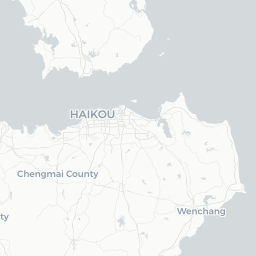
Haikou sits at the northern tip of Hainan Island and serves as the provincial capital of China's smallest and southernmost province. With a population approaching three million, it is a mid-sized Chinese city that combines the administrative weight of a provincial hub with an easy-going tropical character shaped by year-round warmth and a coastline on the Qiongzhou Strait.
The city rose to national prominence in 2020 when China designated the entire island of Hainan as a free-trade port, making Haikou one of the focal points of that economic experiment. Construction and development have accelerated, yet older neighborhoods—particularly the century-old Qilou (arcade-style) buildings along Zhongshan Road and Boai Road—retain a layered, weathered texture that rewards slow walking.
Haikou is not a beach destination in the same way that Sanya, 280 km to the south, is. Visitors come here for the food culture, the heritage streetscapes, the relaxed pace, and as a gateway to the rest of the island. The city is compact enough to navigate in a day or two on foot and by metro, yet has enough texture to justify a longer stay for travelers willing to explore beyond the obvious.
Before You Go
Visas
Entry requirements for China change periodically and depend heavily on your nationality, purpose of travel, and length of stay. Hainan has historically had its own visa-on-arrival and visa-free arrangements distinct from mainland China's general rules. Do not rely on secondhand summaries. Check TravelerPulse's Visas section for a current overview, and verify directly with the official Chinese immigration authority or your nearest Chinese embassy or consulate before booking.
Health and vaccinations
No vaccinations are legally required for entry from most countries, but consulting a travel health clinic 4–6 weeks before departure is advisable. Hainan's tropical climate means dengue fever cases occur; use insect repellent, especially in green areas. Tap water is not considered safe to drink without boiling; bottled water is widely available and inexpensive.
Connectivity and apps
China's internet environment differs significantly from most Western countries. Many commonly used apps and websites—including Google services, WhatsApp, Instagram, and others—are inaccessible without a VPN. Research and configure any tools you may need before arriving, as downloading certain software from within China can be difficult. A Chinese SIM card or a roaming plan that works in China is worth arranging in advance. Mobile payments via WeChat Pay and Alipay dominate; cash (RMB) is a reliable backup but some smaller vendors prefer digital payment.
Weather awareness
Haikou's typhoon season broadly runs from May through October, with the most active months typically being August and September. Check forecasts closely if traveling in this window, and verify that any onward travel or activities are not disrupted.
Getting There
By air
Haikou Meilan International Airport (IATA: HAK) is the primary gateway and handles domestic routes connecting to most major Chinese cities, as well as a growing number of international routes. It sits roughly 25 km east of the city center. Verify current routes and airlines on official booking platforms, as service levels change. Ground transport options from the airport include taxi, ride-hailing apps, airport shuttle buses, and metro (Line 1 connects the airport to central Haikou — confirm current service status locally).
By high-speed rail
Hainan's eastern and western high-speed rail loops encircle the island, and Haikou East Station is the main hub for intercity rail. Trains run regularly to cities including Wenchang, Qionghai, and Sanya. Rail travel is generally punctual and comfortable; tickets can be booked via the 12306 platform (China Railway's official system) or through third-party apps.
By ferry
Ferries cross the Qiongzhou Strait between Haikou and Hai'an Port in Zhanjiang, Guangdong Province, providing a slower but scenic overland-and-sea option. Schedules and operators vary; confirm current services and booking procedures locally or through official ferry operators.
Getting Around
Haikou has a growing metro network with lines serving major districts and the airport — verify current route maps and hours on the official Haikou Metro site or at station maps, as the network has been expanding.
Taxis are metered and widely available. Ride-hailing through Didi (China's dominant app-based ride service) is practical and often faster to obtain than flagging a street taxi; it requires a local phone number and payment method to set up. Mandarin proficiency or the ability to show a destination written in Chinese characters is helpful for taxi drivers, as English is rarely spoken.
Renting an electric bicycle or scooter is popular among locals and is an affordable way to cover short to medium distances. Check local regulations regarding licensing requirements. For day trips to coastal or rural areas, hiring a car with driver through your hotel or a travel agency is a straightforward option. Confirm pricing and scope before departure.
Things to See & Do
Qilou Old Street (骑楼老街)
The most visually distinctive part of Haikou, this network of streets—centered on Zhongshan Road, Boai Road, and Xinhua Road—is lined with arcade-style buildings constructed in the early 20th century by overseas Chinese returning from Southeast Asia. The style blends southern Chinese and European colonial influences. The streets are animated by food stalls, tea houses, and small shops, and are best experienced on foot in the morning or evening when the light is gentler and crowds thinner.
Five Officials' Memorial Temple (五公祠)
A historic temple complex honoring five officials exiled to Hainan during the Tang and Song dynasties. The grounds include pavilions, gardens, ponds, and exhibition halls. It offers a quieter, historically grounded alternative to the busier commercial areas. Verify current opening hours and admission fees at the site.
Haikou Volcanic Cluster Global Geopark
Located on the outskirts of the city, this UNESCO Global Geopark protects a landscape of extinct volcanoes, basalt formations, and villages built from volcanic stone. The Shi Shan area is the most accessible cluster. A half-day trip is sufficient. Confirm transport options and any entrance requirements before visiting.
Century Bridge and Evergreen Island
The cable-stayed Century Bridge spanning the Nandu River is a city landmark. Nearby Evergreen Island (万绿园, Wanlv Yuan) is a large waterfront park along the coast that locals use for morning exercise, evening walks, and kite flying — an unforced way to observe everyday city life.
Markets and temples
The city has active wet markets that offer an unfiltered view of local food culture. Hairikou Temple and Xiuying Battery Fort (a late Qing-era coastal fortification) are worth noting for visitors interested in local history.
Food & Drink
Haikou's food scene is one of the most compelling reasons to spend time in the city. Hainanese cuisine draws on fresh tropical produce, seafood from the surrounding waters, and influences from the Hakka and Teochew communities as well as from Southeast Asia.
Dishes to try
- Wenchang Chicken (文昌鸡): Poached free-range chicken served at room temperature with a ginger-scallion oil sauce; considered one of Hainan's four famous dishes.
- Hainan Beef Hot Pot (清补凉 and variants): Slow-cooked beef in herbal broth is a local specialty; Haikou has dedicated hot pot streets.
- Qingbu Liang (清补凉): A cold dessert soup with coconut milk, red beans, lotus seeds, taro, and other ingredients — particularly refreshing in the heat.
- Hele Crab and fresh seafood: Hainan's coastal waters supply crabs, shrimp, clams, and fish; look for restaurants where seafood is displayed live.
- Dan Dan Noodles and local breakfast foods: Morning food culture is important — noodle shops and congee stalls open early.
Qilou Old Street and the surrounding lanes concentrate many food stalls and traditional teahouses. Night markets are active and a practical place to eat affordably. Alcohol is available; Hainan has a local beer brand and Chinese baijiu is the dominant spirit. Non-alcoholic sugarcane juice, coconut water (from the shell), and herbal teas are common and worth trying.
Shopping
Haikou's status as a free-trade port has made it a draw for duty-free and discounted luxury goods shopping, particularly for Chinese domestic visitors. Several large duty-free complexes and malls in the city cater to this market. Policies and eligible goods change; verify current allowances and rules officially before making purchases with this in mind.
For more grounded shopping, Qilou Old Street has small shops selling local snacks, dried seafood, coconut products, and Hainanese coffee. The city's wet markets are practical for fresh tropical fruit, which is abundant and inexpensive. Specialty local products worth looking for include Hainan black pepper, coconut candy, and local tea varieties.
Practical Information
Emergency contacts
China's general emergency numbers are 110 (police), 120 (ambulance/medical), and 119 (fire). Verify these apply locally and note that operators may not speak English.
Money
ATMs are available throughout the city, though some international cards may not work on all machines — look for machines displaying UnionPay and networks your card belongs to. Notify your bank of travel before departure. As noted, mobile payment is heavily integrated into daily commerce; having RMB cash as a backup is wise.
Medical facilities
Haikou has public and private hospitals. For non-emergency care, hotels can usually recommend nearby clinics. Travel insurance that includes medical evacuation coverage is advisable for all international visitors to China.
Electricity
China uses 220V / 50Hz. Sockets are typically Type A (two flat pins), Type I (two angled pins), or Type C (two round pins). A universal travel adapter is recommended.
Time
All of China operates on a single time zone: UTC+8, regardless of geographic position. Haikou, being in the deep south, experiences sunrises and sunsets at times that may feel early or late compared to what the clock suggests.
Safety
Haikou is generally considered a safe city for travelers. Petty theft — pickpocketing in markets or crowded areas — is the most common concern, as in most urban destinations worldwide. Standard precautions apply: keep valuables secure, be aware of your surroundings in busy public spaces, and avoid leaving bags unattended.
Traffic can be chaotic by Western standards, particularly involving electric scooters which often move against traffic flow or on sidewalks. Exercise caution when crossing roads. Typhoon conditions between May and October can develop quickly; monitor official weather alerts and follow local guidance if a storm approaches.
Solo female travelers and LGBTQ+ travelers should be aware that while Haikou is a relatively relaxed and cosmopolitan Chinese city, overt displays of same-sex affection in public may attract attention in some contexts. China does not currently have legal recognition of same-sex relationships at a national level. Travelers with specific concerns should research current conditions through up-to-date sources before travel.
Local Culture & Etiquette
Haikou reflects Hainan's distinct cultural position within China. The island was historically seen as a place of exile and was relatively isolated from the mainland until modern transport links developed. This produced a local identity that combines Han Chinese traditions with the influences of Hainanese overseas communities (the Qilou architecture being the most visible legacy), indigenous Li and Miao cultures (more present in the island's mountainous interior), and a generally unhurried tempo of life shaped by the tropics.
Mandarin is the language of commerce, education, and official life, but many older residents speak Hainanese (a variety of Min Nan / Hokkien), and Hakka dialects are also present. Religious life includes Buddhist temples, Taoist shrines, and local folk religion practiced at community temples.
Coconut culture is genuinely embedded — not a tourist gimmick. Coconut trees line many streets and appear in food, drinks, and cosmetic products throughout the city. Hainanese coffee, brewed strong and often served with condensed milk, has its own local character and a dedicated following.