Overview
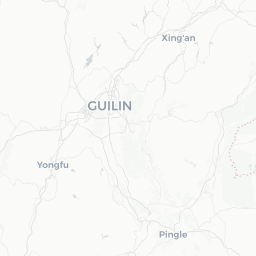
Guilin sits in northeastern Guangxi Zhuang Autonomous Region, where the Li River winds through a landscape of conical karst hills that have inspired Chinese ink-wash painters for centuries. The city itself is a mid-sized urban centre of roughly 1.5 million people, functioning both as a tourism hub and a regional administrative and economic centre.
The surrounding geography — limestone towers rising abruptly from flat farmland, bamboo groves along riverbanks, and terraced hillsides — has made this region one of the most photographed in China. The 20-yuan RMB banknote famously depicts a view of the Li River near Xingping, giving international visitors an immediate visual reference before they even arrive.
Beyond scenery, Guilin offers a reasonable amount of urban infrastructure, a developing food culture, and straightforward onward connections to rural villages and minority communities in the wider Guangxi region. It is an accessible destination for independent travellers, with a well-established tourism network and multiple transport links.
Before You Go
Visas
Entry requirements for China vary considerably by nationality, and visa policy has been subject to frequent updates in recent years. Check TravelerPulse's Visas section and consult the official website of the Chinese embassy or consulate in your country well before travel. Do not rely on information from third parties.
Health and vaccinations
No specific vaccinations are mandated for entry from most countries, but travellers should consult a travel medicine clinic before departure. Tap water is not considered safe to drink; bottled or boiled water is standard practice. Air quality can vary; those with respiratory sensitivities may wish to monitor AQI levels.
Weather patterns
Guilin has a humid subtropical climate. Spring (March–May) brings heavy rainfall but lush green scenery. Summer (June–August) is hot and humid with occasional flooding. Autumn (September–November) is generally the driest and most comfortable season. Winter is mild but can be foggy and grey. Pack accordingly and note that fog, while atmospherically beautiful, can limit visibility for photography and delay river cruises.
Connectivity and apps
China's internet is subject to extensive filtering. Many commonly used apps and websites — including Google services, social media platforms, and many news sites — are inaccessible without a VPN. Research VPN options before arrival, as downloading and configuring one inside China can be difficult. Mobile payment via WeChat Pay and Alipay is ubiquitous; linking an international card to these services in advance will simplify daily transactions significantly, though cash (RMB) remains an acceptable fallback.
Getting There
By air
Guilin Liangjiang International Airport (KWL) serves domestic routes across China and a limited number of international routes, primarily to Southeast Asian cities. Most intercontinental travellers connect through major Chinese hubs such as Guangzhou (CAN), Chengdu (CTU), or Beijing (PEK). Transfer options from Guilin's airport into the city centre include bus, taxi, and ride-hailing apps; verify current fares and schedules locally or through your accommodation.
By high-speed rail
Guilin is well connected to China's high-speed rail (高铁) network. Guilin North Station (桂林北站) serves high-speed services and is the main rail hub for long-distance travel; Guilin Station (桂林站) handles some additional services. Journey times from Guangzhou run approximately 2–3 hours; from Guangzhou to Guilin is a common and convenient overland route. Verify timetables and book tickets through the official 12306 platform or a reputable third-party agent.
By bus
Long-distance coach services connect Guilin to surrounding cities and towns, including Yangshuo and Longsheng. For shorter regional hops, buses are often the most practical option.
Getting Around
Within the city
Guilin's central tourist sites are relatively compact. Walking and cycling are practical options for reaching lakeside parks and the city centre. Shared bicycles and e-bikes are widely available via app-based rental. Public buses cover most urban areas; the route network is extensive but signage is predominantly in Chinese. Taxis are metered; ride-hailing apps (DiDi is the dominant platform) provide a convenient and often more transparent fare experience for visitors.
To Yangshuo
Yangshuo, the most popular day-trip or overnight extension from Guilin, is reachable by tourist boat (the Li River cruise), high-speed bus, or regular bus. The Li River cruise is itself a major attraction — the journey takes most of a day and the boat departs from Zhujiang Wharf, not central Guilin; verify current boarding points and booking logistics before travel.
To Longji Rice Terraces
The Longji terraces are approximately 2–3 hours from Guilin by road. Tour buses and private car hire are the most common options; some independent travellers use public buses via Longsheng County, though routing can be complex. Verify schedules locally or through your accommodation.
Things to See & Do
Li River Cruise
The full Li River boat journey between Zhujiang Wharf and Yangshuo is the centrepiece activity for most visitors. Passing scenery includes the karst peaks associated with the 20-yuan note view near Xingping. Cruises typically run in the morning; verify current schedules, pricing, and booking requirements — they have changed periodically and demand during peak season is high.
Elephant Trunk Hill (象鼻山)
This natural rock formation at the confluence of the Li River and Peach Blossom River is one of Guilin's most recognisable landmarks. It is accessible on foot or by taxi from the city centre. Verify current admission requirements locally.
Reed Flute Cave (芦笛岩)
A limestone show cave approximately 5 kilometres from the city centre, featuring stalactites, stalagmites, and coloured lighting. It is one of the most visited cave systems in Guangxi. Large tour groups pass through regularly; visiting in off-peak hours may give a quieter experience.
Seven Star Park (七星公园)
One of Guilin's largest urban parks, containing karst hills, a cave, historic inscriptions, and a small zoo. It offers a gentler introduction to karst topography within the city limits.
Longji Rice Terraces
Built primarily by Zhuang and Yao minority communities over several centuries, the terraced hillsides at Longji (near Longsheng) are visually spectacular, particularly during planting season (April–May) and harvest (September–October). Overnight stays in village guesthouses allow for sunrise and sunset viewing.
Yangshuo
A small town 65 kilometres south of Guilin that has developed significantly as a base for outdoor activity. Rock climbing, bamboo rafting on the Yulong River, cycling through karst countryside, and a well-developed café and bar scene make it a natural extension of any Guilin trip.
Food & Drink
Local cuisine
Guilin's food culture is rooted in Guangxi cooking traditions, which differ from Cantonese cuisine in their liberal use of chilli, fermented ingredients, and fresh river produce. Rice is the staple, and rice noodles appear at virtually every meal.
Guilin Rice Noodles (桂林米粉)
This is the dish most closely associated with the city. Thin or flat rice noodles served in a clear or slightly seasoned broth, typically topped with marinated pork, preserved vegetables, peanuts, and condiments added to taste. Local noodle shops open early and are often most lively at breakfast. Quality varies; busy, unpretentious shops with high turnover are generally a good indicator.
Beer fish (啤酒鱼)
A dish particularly associated with Yangshuo: river fish cooked with local beer, chilli, and aromatics. It is widely available in both Guilin and Yangshuo.
Street food and markets
Night markets and street stalls offer roasted meats, skewers, tofu preparations, and various snacks. Zhengyang Pedestrian Street in central Guilin is a concentrated area for both food stalls and restaurants, though quality and atmosphere can be variable.
Drinking
Tea culture is well represented; local tea houses offer a quieter alternative to the tourist-facing bar strips. In Yangshuo in particular, a developed café and bar scene has grown around the West Street (洋人街) area, catering to backpackers and international visitors.
Shopping
Guilin's most commonly found souvenirs include hand-painted scrolls and fans, locally produced Sanhua rice liquor (三花酒), Guilin chilli sauce (桂林辣椒酱), and various items related to karst and river scenery imagery. Crafts associated with Zhuang and Yao minority traditions — woven textiles, silver jewellery, and embroidery — are available in the city and more authentically at villages near Longji.
Zhengyang Pedestrian Street and the area around the Two Rivers and Four Lakes (两江四湖) park are concentrated shopping zones. Prices at tourist-facing stalls are generally negotiable; exercise reasonable scepticism about claimed authenticity of antiques or hand-made goods. Larger shopping malls exist for everyday goods. Supermarkets are a reliable and reasonably priced source of packaged food items to take home, including chilli sauce and liquor.
Practical Information
Money
ATMs are widely available in Guilin, though not all accept international cards; look for machines affiliated with major international networks. Notify your bank before travel. Mobile payment (WeChat Pay, Alipay) dominates everyday transactions; familiarising yourself with these platforms before arrival is strongly recommended.
Communication
China's country code is +86. SIM cards from Chinese carriers (China Mobile, China Unicom, China Telecom) are available at the airport and phone shops; a local SIM simplifies navigation, translation, and app usage considerably. Foreigners will need to present a passport to purchase one.
Translation
Signage in key tourist areas is bilingual (Chinese/English), but outside these zones it is predominantly Chinese. A translation app with offline capability (download language packs before arrival) is genuinely useful for menus, transport signs, and street navigation.
Emergency numbers
Verify current emergency contact numbers locally upon arrival. As a general reference, China's national emergency numbers include 110 (police), 120 (ambulance), and 119 (fire) — confirm these are current before relying on them.
Medical
Guilin has public hospitals and some private clinics. For serious medical needs, evacuation to a larger city may be advisable. Comprehensive travel insurance that covers medical evacuation is strongly recommended.
Safety
Guilin is generally considered a low-risk destination for travellers. Petty theft — pickpocketing in crowded tourist areas, on public transport, and at markets — is the most commonly reported concern. Standard urban precautions apply: keep valuables out of sight, use secure bags, and be alert in very crowded spaces.
Tourist-facing scams exist, as in most high-traffic destination cities. Common patterns include overly friendly strangers inviting visitors to 'tea ceremonies' or art shows that result in pressure to make expensive purchases, and unlicensed taxis or drivers quoting inflated fares. Using app-based ride-hailing and sticking to booked or clearly metered transport reduces exposure to the latter.
The Li River and surrounding waterways present ordinary water-safety considerations; follow guidance from boat operators. During heavy rain, river levels can rise quickly and some outdoor activities or routes may be restricted.
Travellers should be aware that China's laws and regulations apply to all visitors, regardless of nationality. Stay informed about any travel advisories issued by your home government before and during travel.
Local Culture & Etiquette
Guilin sits within Guangxi Zhuang Autonomous Region, home to the Zhuang people — the largest non-Han ethnic minority group in China — as well as Yao, Miao, Dong, and other communities. This cultural diversity is more visible in rural areas, particularly around the Longji terraces, than in central Guilin itself, which functions largely as a Han Chinese city with standard urban customs.
General courtesies applicable across China apply here: a degree of formality with strangers is appropriate, loud or disruptive behaviour is generally frowned upon, and removing shoes when entering someone's home is customary. Photography of people — especially at minority villages — should always be done with permission; what appears to be a performance may involve real community and religious significance.
Tipping is not a standard practice in mainland China and is not expected at most restaurants or in taxis. In tourist-facing businesses, some staff may be accustomed to it, but it is not required or culturally expected.
Public holidays, especially Chinese New Year (dates vary, typically January–February) and the October Golden Week, significantly affect crowd levels, transport availability, and prices across all of China. Planning around these periods — or booking far in advance if travel during them is intended — is advisable.