Translate
Overview
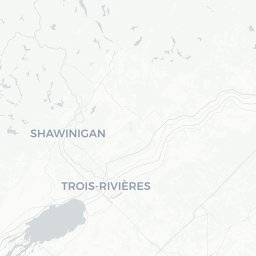
Trois-Rivières sits on the north shore of the St. Lawrence River, roughly halfway between Montreal and Quebec City, at the point where the Saint-Maurice River meets the St. Lawrence. Founded in 1634, it is one of the oldest continuously inhabited cities in North America, and that history is legible in its stone buildings, narrow streets, and preserved downtown core.
Despite a population of around 144,000, the city has a distinctly human scale. The Vieux-Trois-Rivières (Old Town) district is compact and walkable, and the riverfront promenade invites easy strolling. The city has reinvented itself in recent decades after the decline of the pulp-and-paper industry that once made it a global leader in newsprint production — traces of that industrial past are preserved in a dedicated museum.
Trois-Rivières has built a reputation for summer festivals, particularly in music and motorsport. The Grand Prix de Trois-Rivières, a street circuit race held each August, draws racing fans from across the region. The city is practical to visit as a standalone destination or as a stop on a Quebec City–Montreal road trip.
Before You Go
Visas and Entry
Canada's entry requirements vary by nationality and may include an Electronic Travel Authorization (eTA) or a visa. Do not rely on this guide for visa specifics — check TravelerPulse's Visas section and the official Immigration, Refugees and Citizenship Canada (IRCC) website before booking.
Language
Trois-Rivières is solidly French-speaking. While many people working in hospitality have some English, the city sees fewer international tourists than Montreal or Quebec City, so basic French phrases will be genuinely appreciated and practically useful. Menus, signage, and government services are in French.
What to Pack
- Summer (June–August): Light clothing, sunscreen, and a layer for cool evenings near the river.
- Winter (December–March): Full cold-weather gear — temperatures regularly fall below −15 °C and wind chill makes it feel colder.
- Year-round: Comfortable walking shoes for the cobblestone streets of Old Town.
Getting There
By Car
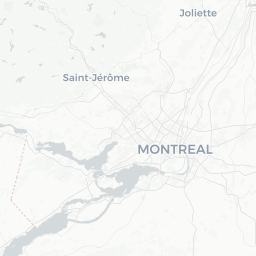
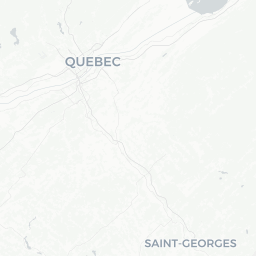
Trois-Rivières is on Autoroute 40 (Trans-Canada Highway), approximately 130 km northeast of Montreal and 130 km southwest of Quebec City. Driving is the most flexible option and allows easy exploration of the surrounding Mauricie region.
By Bus
Interregional bus services connect Trois-Rivières to Montreal and Quebec City. Verify current operators, schedules, and fares locally or through the terminal, as services change.
By Train
There is no direct VIA Rail stop in Trois-Rivières at the time of writing. Travelers coming by rail typically route through Montreal or Quebec City and continue by bus or car. Confirm current rail options on the VIA Rail Canada website before travel.
By Air
The nearest major international airports are Montréal–Trudeau International (YUL) and Quebec City Jean Lesage International (YQB), both roughly 90–120 minutes away by car.
Getting Around
The Old Town and waterfront are easily covered on foot. The compact historic core means that most major sights, restaurants, and shops are within a comfortable walking distance of each other.
The city operates a public transit bus network (Société de transport de Trois-Rivières — STTR). Verify routes, fares, and schedules on the official STTR website or locally, as these change periodically.
Taxis and rideshare apps operate in the city. Car rental is advisable if you plan to visit attractions outside the urban core, such as Parc national de la Mauricie. Cycling is feasible in warmer months; verify local bike-share or rental options on arrival.
Things to See & Do
Historic Old Town (Vieux-Trois-Rivières)
The old town contains some of the finest surviving 18th-century architecture in Quebec. The Cathedral of the Assumption, the Ursulines Monastery complex (one of the oldest in North America), and the old prison are central landmarks. Walking the streets between Rue des Ursulines and the riverfront is the most immediate way to absorb the city's age.
Musée québécois de culture populaire / Old Jail
This cultural museum is attached to the former Trois-Rivières jail, which operated into the 1980s. Guided tours of the jail are a popular draw. Verify current hours and admission on the museum's official site.
Musée de la civilisation de la papeterie (Boréalis)
Boréalis occupies a former pulp-and-paper industrial site and tells the story of the industry that defined the city for a century. The industrial architecture alone is worth visiting. Check current hours and pricing locally.
Grand Prix de Trois-Rivières
Held each August, this street circuit race through the city center is one of the major motorsport events in Eastern Canada. The race weekend involves multiple series and draws large crowds. Book accommodation well in advance if you plan to attend.
Parc national de la Mauricie
Located roughly 60 km north of the city, this national park offers canoeing, hiking, and wildlife watching in the Canadian Shield landscape. It is managed by Parks Canada; verify fees, permits, and seasonal access on the Parks Canada website before visiting.
Riverfront and Promenade
The St. Lawrence waterfront is a public gathering space used year-round. In summer it hosts outdoor events and festival stages. Walking or cycling along the promenade gives clear views across to the south shore.
Food & Drink
What to Expect
The dining scene in Trois-Rivières is anchored in Québécois cuisine alongside French-influenced bistros, casual brewpubs, and a growing number of contemporary restaurants. The Old Town and nearby Rue des Forges corridor concentrate most dining options.
Local and Regional Foods
Look for classic Québécois staples: poutine, tourtière (meat pie), cretons (pork spread), and dishes featuring maple syrup. Many restaurants source produce from the Mauricie agricultural region.
Craft Beer
Quebec's craft brewing movement is well represented in Trois-Rivières. Several microbreweries and brewpubs operate in and near the city center. Verify which are currently open, as the independent hospitality sector changes frequently.
Practical Notes
- Most restaurants open for lunch and dinner; some close between services on weekdays.
- Tipping 15–20% on the pre-tax bill is standard practice in Quebec.
- Alcohol is sold through government-licensed establishments and SAQ (Société des alcools du Québec) stores.
Practical Information
Emergency Numbers
In Canada, dial 911 for police, fire, or ambulance from anywhere in the country.
Health
Quebec has a public health system; visitors without Canadian provincial coverage should carry travel health insurance. Pharmacies (pharmacies) are widely available and pharmacists can advise on minor ailments.
Money
ATMs are widely available throughout the city. Credit cards (Visa, Mastercard) are accepted almost universally. American Express acceptance is less consistent at smaller establishments. U.S. dollars are not commonly accepted at face value — exchange to CAD.
Connectivity
Free public Wi-Fi is available in some public spaces and most cafés. Canadian SIM cards and data plans are available at major telecom retailers if you need local mobile service.
Useful Local Resource
Tourisme Mauricie is the regional tourism body. Their official website is the most reliable source for up-to-date event listings, attraction hours, and regional travel information — verify the current URL locally or via a search.
Safety
Trois-Rivières is generally a safe city for travelers. Standard urban precautions apply: be aware of your surroundings at night, keep valuables out of sight, and use well-lit areas after dark.
Winter driving in the region can be hazardous. If renting a car between November and April, ensure the vehicle has winter tires (legally required in Quebec during this period) and adjust your driving to road conditions. Black ice is a genuine hazard.
For non-emergency police matters, contact the Service de police de Trois-Rivières. In any emergency, dial 911.
Local Culture & Etiquette
Trois-Rivières has a strong francophone identity and civic pride in its history as one of North America's oldest cities. French is not merely the official language but the everyday language of the street, market, and restaurant — code-switching to English is less automatic here than in Montreal.
The city has a notable arts and literary tradition. It hosts poetry and spoken-word events and has produced writers and artists of national significance. The Festival International de la Poésie has brought poets from around the world to the city for decades — verify its current schedule before visiting.
Local festivals and public events draw heavily on Québécois cultural traditions. During events like the Grand Prix weekend or summer music festivals, the waterfront and Old Town become genuinely animated public spaces. Respect for public spaces and quiet residential areas is expected, especially during late-night festival hours.