Translate
Overview
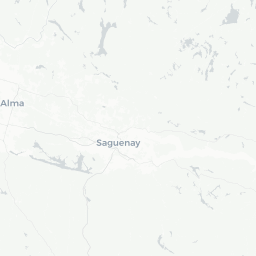
Saguenay is a mid-sized city in the Saguenay–Lac-Saint-Jean region of Quebec, formed by the merger of the former cities of Chicoutimi, Jonquière, and La Baie. Sitting at the confluence of the Saguenay and Chicoutimi rivers, it serves as both a regional hub and the main gateway to the Saguenay Fjord, one of the southernmost fjords in the world.
The city has a strong Francophone identity — it is one of the most French-speaking metropolitan areas in North America, which gives it a distinct cultural character compared to Montreal or Quebec City. Residents take considerable pride in local traditions, regional cuisine, and outdoor life tied closely to the surrounding boreal landscape.
While it lacks the tourist density of Quebec City, Saguenay rewards visitors with genuine local experiences, dramatic natural scenery, and easy access to provincial parks and the St. Lawrence River estuary. It functions well as a destination in its own right or as a base for exploring the broader region.
Before You Go
Visas and Entry
Entry requirements for Canada vary by nationality. For current and accurate visa and eTA (Electronic Travel Authorization) requirements, check TravelerPulse's Visas section and the official Immigration, Refugees and Citizenship Canada (IRCC) website.
Language
Saguenay is overwhelmingly French-speaking. While staff at larger hotels and major attractions may have some English, day-to-day interactions — restaurants, shops, transit — will typically be in French. Learning a handful of basic phrases will go a long way and is genuinely appreciated by locals.
Health and Travel Insurance
Canada has no reciprocal health-care agreements with most countries. Comprehensive travel health insurance is strongly recommended. If you require prescription medication, bring an adequate supply and carry a copy of your prescription.
What to Pack
- Summer: Layers for cool evenings near the fjord, rain gear, insect repellent for forest trails
- Winter: Serious cold-weather gear — temperatures regularly drop well below −15 °C; waterproof insulated boots are essential
Getting There
By Air
Saguenay–Bagotville Airport (YBG) is the local airport and receives regional flights, primarily from Montreal. It is a small facility, so connections from international origins will require a stop. Verify current routes and airlines directly with the airport or your preferred booking platform, as schedules change seasonally.
By Road
Saguenay is roughly 200 km north of Quebec City via Route 175, which passes through the Laurentides Wildlife Reserve — a scenic drive of approximately 2.5 hours under normal conditions. Winter driving on this route can be demanding; ensure your vehicle is equipped with winter tires (mandatory in Quebec seasonally) and check road conditions before departing.
By Bus
Interurban bus service connects Saguenay with Quebec City and other regional centers. Verify current operators, timetables, and fares locally or through regional transit resources, as service levels have changed in recent years.
By Cruise Ship
Saguenay's La Baie district has a cruise terminal that welcomes expedition and river cruise ships navigating the St. Lawrence and Saguenay Fjord. If arriving by cruise, check your itinerary for specific port logistics.
Getting Around
Saguenay is a geographically spread-out city, and the three main districts — Chicoutimi, Jonquière, and La Baie — are not easily walkable between one another. A rental car offers the most flexibility and is the practical choice for visitors wishing to explore the fjord, provincial parks, and outlying areas.
The city operates a public transit network (Société de transport du Saguenay), but routes and frequencies are designed primarily for local commuters rather than tourists. Verify current route maps and fares on the official STS website before relying on it for sightseeing.
Taxis and ride-hailing services operate in the city; availability may be more limited than in larger Canadian cities, particularly late at night or in peripheral neighborhoods. Cycling infrastructure exists in some areas, and the region has recreational trails, though cycling between districts is not practical for most visitors.
Things to See & Do
Saguenay Fjord National Park
Operated by the Société des établissements de plein air du Québec (Sépaq), this park encompasses dramatic cliff-lined fjord shores and boreal forest. Hiking, kayaking, and whale watching are the primary draws. The fjord itself is a habitat for beluga whales and several other cetacean species. Entry fees and reservation requirements apply; check the Sépaq website for current information before visiting, especially in summer when demand is high.
Cap-Trinité and Cap-Éternité
These towering rock faces rising from the fjord are among the most photographed natural landmarks in Quebec. They are accessible by boat tour or, for experienced hikers, by trail from within the national park. A statue of Notre-Dame-du-Saguenay stands at the summit of Cap-Trinité and has been a pilgrimage site since the 19th century.
La Pulperie de Chicoutimi
This regional museum and heritage site is built within the ruins of a former pulp mill — a reference to the industrial history that shaped the city. The complex includes interpretive exhibits, art galleries, and the preserved "Little White House" that became a symbol of survival after catastrophic flooding in 1996. Verify current hours and admission fees on the official site.
Village de la Sécurité and Winter Activities
In winter, the region supports cross-country skiing, snowshoeing, snowmobiling, and ice fishing. The Carnaval de Chicoutimi, typically held in February, is a long-running winter festival with outdoor activities and local cultural programming. Dates and programming vary year to year — check the official carnival website for current details.
Zoom Nature and Wildlife Encounters
The area around Saguenay offers opportunities to observe moose, black bears, and migratory birds, particularly in the wildlife reserves flanking Route 175. Guided wildlife excursions are available through local outfitters; verify operators and seasonal availability locally.
Food & Drink
Saguenay's food scene is rooted firmly in Québécois tradition. Regional staples include tourtière (meat pie), pea soup, cretons (a pork spread), and various dishes featuring locally produced cheeses and blueberries — the Saguenay–Lac-Saint-Jean region is renowned across Quebec for its wild and cultivated blueberries.
Chicoutimi's downtown area has the highest concentration of restaurants and cafés, ranging from casual poutine counters to sit-down establishments focused on regional ingredients. Jonquière and La Baie each have neighborhood dining options as well, though the selection is more limited.
Brewpubs and craft breweries have gained a foothold in the region in recent years, reflecting a trend seen across Quebec. Local microbreweries are worth seeking out for regionally produced beers that pair well with the hearty local cuisine.
Supermarkets and public markets are the best places to find local produce and specialty items to take home, including regional cheeses, honey, and preserves. The Saint-Jean-Baptiste market area in Chicoutimi is a traditional gathering point, though hours and vendors vary seasonally — verify locally before planning a visit.
Practical Information
Emergency Services
In any emergency in Canada, dial 911 for police, fire, or ambulance.
Money
ATMs are widely available in Chicoutimi's commercial areas. Credit cards (Visa, Mastercard) are accepted at most businesses. Some smaller establishments and market vendors may prefer cash — it is practical to carry some.
Connectivity
Mobile coverage from major Canadian carriers is generally reliable within the city and along main roads. Coverage can be limited or absent in remote sections of the national park and interior forest. Download offline maps before venturing into backcountry areas.
Tipping
Tipping norms in Quebec follow broader Canadian convention: approximately 15–20% at sit-down restaurants, rounded up for taxis, and discretionary for other services. Some restaurants now present tip prompts at point-of-sale terminals.
Electricity
Canada uses 120V / 60 Hz with Type A and B plugs (standard North American). European and other travelers will need a plug adapter; those from countries using 220–240V will also need a voltage converter for non-dual-voltage devices.
Safety
Saguenay is generally a safe city by Canadian standards, and petty crime rates in tourist-frequented areas are low. Standard urban precautions — awareness of surroundings, securing valuables — apply as they would anywhere.
The primary safety considerations for most visitors are environmental rather than social. Hiking and kayaking in Saguenay Fjord National Park carry real wilderness risks: cold water temperatures in the fjord are dangerous year-round, trail conditions can change with weather, and cell service is unreliable in backcountry zones. Inform someone of your plans before entering remote areas, carry adequate supplies, and heed any park authority warnings.
Winter road conditions on regional highways, particularly Route 175 through the Laurentides Reserve, can be severe. Drive only with winter-rated tires, check road conditions via the Quebec 511 service before travel, and ensure your vehicle has emergency supplies in the event of a breakdown in a remote area.
Local Culture & Etiquette
Saguenay has one of the highest concentrations of French speakers of any city its size in North America, and this shapes daily life in tangible ways. Public signage, menus, and official communications are almost exclusively in French. Making an effort to speak even rudimentary French is culturally meaningful here in a way that might feel less urgent in bilingual Montreal.
The city has a strong working-class and industrial heritage — aluminum smelting and forestry have long been economic pillars — and this history informs a culture that values directness, community, and practicality. Local pride in regional identity (distinct even from the rest of Quebec) is genuine and runs deep.
Religion has historically played a significant role in the social fabric, and church architecture is prominent throughout all three districts. The annual religious and folk traditions connected to Saint-Jean-Baptiste Day (June 24) are observed with particular enthusiasm in this region.
Visitors attending local events or festivals are generally welcomed warmly, though being a respectful guest — especially around the French language — makes a significant positive difference in the experience.