Overview
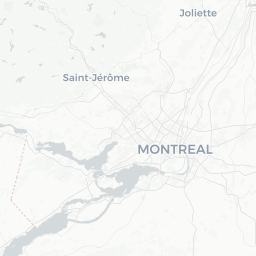
Rosemont–La Petite-Patrie is a large residential borough on the east side of Montreal's central plateau, bordered roughly by the railway yards to the north, Parc Lafontaine to the south, and the Mile End and Villeray boroughs on its flanks. With around 146,000 residents, it functions almost as a small city within a city — dense, walkable, and unmistakably Québécois in character.
The borough is divided into several distinct sub-neighbourhoods. Rosemont proper runs along Boulevard Rosemont and is known for its quiet tree-lined streets of triplexes and duplexes. La Petite-Patrie clusters around Avenue Christophe-Colomb and Marché Jean-Talon, with an older, more working-class heritage. Both areas share a strong neighbourhood identity built around local commerce, community gardens, and a genuine resistance to the over-touristed polish found in some other Montreal districts.
Visitors tend to arrive for one of three reasons: the outstanding food scene anchored by Marché Jean-Talon, the independent shopping strips on Rue Masson and Avenue Laurier Est, or simply to experience a slice of everyday Montréal life that doesn't feel curated for outsiders. All three motivations are well rewarded.
Before You Go
Visas and Entry
Entry requirements for Canada vary by nationality. For accurate, up-to-date visa and eTA information, check TravelerPulse's Visas section and the official Immigration, Refugees and Citizenship Canada (IRCC) website.
When to Visit
The borough is genuinely enjoyable year-round. Summer (June–August) brings outdoor terrasses, open-air markets, and cycling at its peak. September and October offer cool temperatures and the spectacular Québec autumn foliage without summer crowds. Winter is cold and snowy — average January lows sit well below −10 °C — but locals embrace the season, and the borough's café culture makes it comfortable to explore.
Health and Travel Insurance
Canada's public healthcare system does not cover foreign visitors. Travel health insurance is strongly recommended. Verify coverage details with your insurer before departure.
What to Pack
- Layered clothing regardless of season; Montreal weather shifts quickly
- Comfortable walking or cycling shoes — the neighbourhood rewards both
- A reusable bag for market shopping
- Basic French phrases; locals appreciate the effort even if they switch to English
Getting There
By Air
Montréal–Trudeau International Airport (YUL) serves the city. From the airport, the STM 747 express bus connects to downtown Montreal; from there, metro or bus routes reach Rosemont–La Petite-Patrie. Verify current routes and fares on the STM website (stm.info).
By Train and Bus
VIA Rail trains arrive at Gare Centrale (Central Station) in downtown Montreal. Long-distance buses, including Flixbus and Orléans Express services, use various terminals — confirm your arrival point when booking. From downtown, the borough is 20–35 minutes by metro or bus.
By Car
Montreal is well connected to the Trans-Canada Highway network. Parking within the borough can be tight, particularly near Marché Jean-Talon; street parking is metered in commercial zones. If you are arriving by car, consider leaving it parked for the duration of your stay and using transit or cycling.
Getting Around
Rosemont–La Petite-Patrie is one of Montreal's most cycle-friendly boroughs, served by an extensive network of dedicated bike paths including the REVs (Réseau express vélo) high-capacity lanes. The BIXI bike-share system has numerous stations throughout the borough; day and multi-day passes are available — check bixi.com for current pricing.
The STM metro system provides quick access to neighbouring boroughs and downtown. The Orange Line stops at Rosemont, Beaubien, Jean-Talon, and Fabre stations, all within or adjacent to the borough. Surface bus routes fill the gaps. A single fare or a rechargeable OPUS card covers travel; fares are set by the STM and should be verified at stm.info.
For most visitors, walking is entirely practical within any given sub-neighbourhood. The street grid is regular and flat, and commercial strips are compact enough that a single afternoon on foot covers considerable ground.
Things to See & Do
Marché Jean-Talon
One of the largest open-air markets in North America, Marché Jean-Talon is the undisputed anchor of La Petite-Patrie. Farmers, cheese makers, bakers, and specialty food vendors fill covered pavilions and outdoor stalls. The market is open year-round, with outdoor stalls operating seasonally from roughly May to November. Verify current hours on marchespublics-mtl.com.
Cycling the Bike Network
The borough's cycling infrastructure is genuinely world-class by North American standards. The Bellechasse and Rosemont bike paths run east-west across the borough; the Christophe-Colomb REV is a major north-south arterial. Renting a BIXI and spending a few hours exploring is one of the best ways to understand the neighbourhood's layout and rhythm.
Community Gardens and Green Spaces
Rosemont–La Petite-Patrie hosts numerous community gardens (jardins collectifs), several small parks, and the eastern edge of Parc Laurier. These are neighbourhood assets rather than tourist attractions, but they offer a genuine window into local life.
Rue Masson and Avenue Laurier Est
Both streets function as local high streets with independent cafés, bookshops, hardware stores, and restaurants that serve residents rather than tourists. Walking them on a weekend morning gives a clear sense of how the borough actually functions.
Craft Beer
The borough has a cluster of microbreweries and craft beer bars. This scene changes frequently; ask locally or check current listings for active taprooms.
Food & Drink
Food is one of the strongest reasons to spend time in Rosemont–La Petite-Patrie. Marché Jean-Talon alone justifies a visit, offering Quebec cheeses, maple products, local produce, fresh pasta, spices from the borough's historically Italian-immigrant community, and prepared foods.
The restaurant scene is genuinely diverse and skews toward neighbourhood bistros, BYOBs (apportez votre vin — a Quebec dining tradition where unlicensed restaurants allow guests to bring their own wine, purchased inexpensively at a nearby SAQ or dépanneur), Asian grocery-adjacent eateries on and around Avenue Christophe-Colomb, and casual brunch spots. The BYOB culture is worth embracing: it keeps meal costs lower and is entirely normal practice in Quebec.
Café culture is strong. Independent coffee shops are woven throughout the borough's commercial strips, and many double as community gathering spots rather than simple caffeine stops. For a quick, local snack, the traditional Québécois dépanneur (corner store) remains a neighbourhood institution.
Verify specific restaurant hours and reservation requirements directly with establishments, as the independent dining scene experiences regular turnover.
Shopping
Shopping in the borough is firmly independent in character. Large chains are present but do not define the commercial experience. The strongest areas for browsing are:
- Rue Masson — a long commercial strip with local food shops, bakeries, and service businesses interspersed with cafés and restaurants
- Avenue Laurier Est — a more polished strip with independent clothing boutiques, home goods shops, and specialty food stores
- Around Marché Jean-Talon — the market's periphery has specialty food retailers, a permanent indoor market hall, and several shops focused on Quebec-made products
The borough has a strong second-hand and vintage culture. Several consignment and thrift shops operate along the main commercial arteries — verify addresses locally as specific shops open and close regularly.
The SAQ (Société des alcools du Québec), the provincial liquor board, has branches in the borough where you can purchase wine and spirits. Beer and cider are also available in many grocery stores and dépanneurs under Quebec's regulations.
Practical Information
Emergency Services
In any emergency in Canada, dial 911 for police, fire, or ambulance.
Language
French is the official and dominant language. Most commercial staff in the borough speak enough English to assist visitors, but leading with a simple bonjour and attempting basic French is both courteous and culturally appropriate in Quebec.
Money
ATMs are widely available throughout the borough. Major credit and debit cards are accepted in most shops and restaurants. Some smaller vendors at Marché Jean-Talon may prefer cash — it is worth carrying some.
Connectivity
Free Wi-Fi is available at many cafés and public libraries. Canadian SIM cards from major carriers (Rogers, Bell, Telus, and their subsidiaries) are available at convenience stores and phone shops.
Pharmacies
Pharmacies (notably Jean Coutu and Pharmaprix chains) are present in the borough. Pharmacists in Quebec can advise on minor medical matters and, under certain conditions, prescribe for minor ailments — verify current regulations locally.
Safety
Rosemont–La Petite-Patrie is a generally safe, family-oriented residential borough. Standard urban precautions apply: be aware of your surroundings in quieter areas at night, secure bicycles properly (bike theft is a persistent issue across Montreal), and keep valuables out of sight in parked vehicles.
Winter sidewalks can be icy; wear appropriate footwear from November through March. The borough is well-lit and regularly maintained, but ice accumulation on steps and paths is a genuine hazard. Road and cycling infrastructure can become hazardous after snowfall — BIXI typically suspends service during winter months (verify current season dates on bixi.com).