Translate
Overview
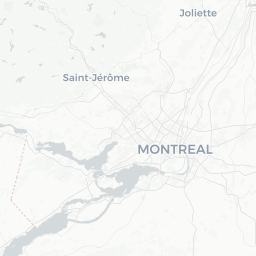
Mercier–Hochelaga-Maisonneuve (commonly called HoMa or Hochelaga by locals) is a large borough on the eastern flank of the Island of Montreal, sitting between the St. Lawrence River to the south and the city's interior neighborhoods to the north. With roughly 143,000 residents, it is one of Montreal's most populous boroughs and one of its most historically significant.
The area grew rapidly in the late 19th and early 20th centuries as an industrial hub, and that heritage is still visible in the brick row houses, factory conversions, and the monumental Château Dufresne — a pair of Beaux-Arts mansions now operating as a museum. The neighborhood became internationally famous when Montreal hosted the 1976 Summer Olympics, leaving behind the iconic Olympic Stadium and Biodôme that still anchor the borough's northern section.
In recent years HoMa has undergone a steady cultural renaissance. Independent cafés, breweries, galleries, and community gardens have multiplied along Ontario Street East and Sainte-Catherine Street East, giving the borough an energetic, unpretentious character that is distinctly its own — less gentrified than Plateau-Mont-Royal, more community-oriented than downtown.
Travelers who venture here find a Montreal that feels genuinely local: murals on every other wall, residents shopping at the Marché Maisonneuve, and cyclists weaving along the Promenade Bellerive. It rewards curiosity and slow exploration far more than a rushed half-day visit.
Before You Go
Visas
Canada has its own entry requirements that vary by nationality. Do not rely on this guide for visa specifics — check TravelerPulse's Visas section and the official Immigration, Refugees and Citizenship Canada (IRCC) website for current requirements, including the Electronic Travel Authorization (eTA) system for visa-exempt travelers arriving by air.
Climate
Mercier–Hochelaga-Maisonneuve shares Montreal's continental climate. Summers (June–August) are warm to hot and humid, with temperatures frequently above 25 °C. Winters are genuinely cold, with snow from roughly December through March and temperatures that can drop well below −15 °C with wind chill. Spring and autumn are transitional and often pleasant but unpredictable — pack layers.
Health and Insurance
Travel health insurance is strongly recommended for visitors to Canada, as public health coverage does not extend to foreign nationals. Pharmacies are plentiful in the borough; verify any prescription medication rules with your home country before travel.
Connectivity
Most cafés, libraries, and the Olympic Park complex offer free Wi-Fi. Canadian SIM cards and data plans are available at major carriers and convenience stores; prices vary — compare options on arrival.
Getting There
By Air
Montréal–Trudeau International Airport (YUL) is the main entry point. From the airport, the borough is accessible by taxi, rideshare, or public transit (bus and metro). Journey time depends on traffic and route; verify current transit options on the STM (Société de transport de Montréal) website.
By Train
VIA Rail and Amtrak (from New York) serve Gare Centrale in downtown Montreal. From there, the metro's Green Line connects directly into the borough — the stations Préfontaine, Joliette, Pie-IX, and Viau all serve HoMa directly.
By Bus
Intercity bus services (Orléans Express and others) arrive at the downtown bus terminal; metro connections from there reach the borough easily.
By Car
The borough is accessible via Highway 25 and the Autoroute Métropolitaine, with street parking available throughout. Note that parking regulations in Montreal are detailed and enforced — always read posted signs carefully before leaving a vehicle.
Getting Around
Metro
The STM Green Line is the backbone of transit through HoMa. Stations at Préfontaine, Joliette, Pie-IX, Viau, and Langelier serve different parts of the borough. Single fares and day passes are available; current prices are posted at station fare booths and on the STM website.
Bus
An extensive STM bus network covers areas the metro does not reach, including routes along Ontario Street East and along the riverfront. The STM app or website provides real-time schedules.
Cycling
HoMa is well served by the BIXI bike-share system, with stations throughout the borough. Dedicated cycling infrastructure connects the neighborhood to the Promenade Bellerive riverside path and the broader Montreal network of pistes cyclables (cycling lanes). This is one of the most practical and enjoyable ways to explore.
On Foot
Most points of interest along Ontario Street East and Sainte-Catherine Street East are within comfortable walking distance of each other. The Olympic Park cluster (Stadium, Biodôme, Botanical Garden) requires a longer walk or a short bus or metro ride from those commercial strips.
Things to See & Do
Olympic Park Complex
The 1976 Olympic legacy left an extraordinary cluster of attractions at the northern edge of the borough. The Stade Olympique (Olympic Stadium) offers tower observatory visits with panoramic views of Montreal and beyond — verify hours and admission on the Olympic Park website before visiting. The stadium itself hosts occasional events and guided tours.
Biodôme de Montréal
Located within the Olympic Park, the Biodôme replicates five ecosystems — tropical forest, Laurentian maple forest, Gulf of St. Lawrence, and polar environments — within a single building. It is a compelling visit for families and nature-minded travelers alike. Admission fees and hours should be confirmed on the Space for Life (Espace pour la vie) website, which also covers the adjacent Insectarium, Planetarium, and Botanical Garden.
Jardin Botanique de Montréal
One of the world's largest botanical gardens straddles the border with the Rosemont borough but is most accessible from HoMa. The Chinese and Japanese gardens are particularly noted. Seasonal programming varies significantly — check the Space for Life calendar.
Château Dufresne
This early-20th-century Beaux-Arts twin mansion on Pie-IX Boulevard is an authentic piece of Montreal bourgeois history. Today it functions as a decorative arts museum. Verify current opening hours and admission fees directly with the museum.
Marché Maisonneuve
A public market that has anchored community life since 1914, Marché Maisonneuve is a good place to buy local produce, cheese, charcuterie, and seasonal specialties. It is more neighborhood-scaled than the famous Atwater or Jean-Talon markets, which some visitors prefer.
Street Art and the Urban Landscape
HoMa has become an outdoor gallery over the past decade, with large-format murals covering building facades along several streets. Walking or cycling through the residential grid reveals works by both local and international artists — no admission required.
Promenade Bellerive
This riverside linear park along the St. Lawrence offers walking, cycling, and quiet riverfront views. It connects to Montreal's larger network of waterfront paths and is particularly pleasant in warm months.
Food & Drink
General Character
HoMa's food scene is unpretentious, value-driven, and increasingly diverse. Ontario Street East and Sainte-Catherine Street East are the main commercial arteries for restaurants and cafés. Alongside long-established local diners and Québécois comfort spots, you will find Vietnamese, Haitian, Latin American, and Middle Eastern establishments reflecting the borough's demographic makeup.
Craft Beer
The borough has become one of Montreal's better-known craft beer corridors. Several microbreweries and brewpubs have opened in former industrial spaces over the past decade. Many offer tasting flights and food menus; seek out current operators locally, as the scene continues to evolve.
Québécois Staples
Visitors should take the opportunity to try regional dishes available throughout the borough: poutine (fries, cheese curds, gravy), tourtière (meat pie), and smoked meat sandwiches are all accessible here without the tourist premiums of downtown.
Cafés
Independent coffee shops are plentiful and generally of high quality. Many double as community gathering spaces, small galleries, or venues for local events. There is no shortage of places to sit and observe neighborhood life over a café au lait.
Shopping
Shopping in HoMa is decidedly local in character. Sainte-Catherine Street East and Ontario Street East host a mix of independent boutiques, vintage and second-hand shops, hardware and fabric stores, and convenience retail that serves the residential community. This is not a destination for luxury retail or international brand shopping — visitors looking for that should head to downtown Montreal or Westmount.
Second-hand and thrift stores are genuinely worthwhile in this part of Montreal; the borough's dense residential population means a steady turnover of goods at reasonable prices. Vintage clothing and furniture finds are common.
Local food products — preserves, craft spirits, specialty cheeses — make practical souvenirs and can be found at Marché Maisonneuve and some specialty grocery stores in the area.
Practical Information
Emergency Services
In any emergency in Canada, dial 911 for police, fire, or ambulance.
Language
French is the working language of the borough and of Quebec province. In commercial establishments, staff typically switch to English if needed, but making a basic effort in French is appreciated and culturally appropriate. Menus, street signs, and official notices will be in French.
Tipping
Tipping is customary in Quebec. A standard restaurant tip is 15–20% of the pre-tax bill; many point-of-sale terminals now suggest higher amounts — the choice is yours. Tipping for café counter service is optional but common.
Banking and Cash
ATMs are widely available throughout the borough. Most businesses accept major credit and debit cards; some smaller vendors and market stalls may prefer cash. Verify locally.
Accessibility
Montreal's metro system has limited elevator coverage at older stations — check the STM accessibility map before relying on specific stations. The Olympic Park complex has been upgraded with accessibility infrastructure; verify details for specific venues directly.
Safety
Mercier–Hochelaga-Maisonneuve is a large, predominantly residential borough with the range of conditions typical of a dense urban neighborhood. It has historically had higher-than-average rates of some property crimes compared to wealthier Montreal boroughs, though this should be contextualized: most visitors experience no issues.
Standard urban precautions apply: be aware of your surroundings, avoid leaving valuables visible in parked cars, and use well-lit streets at night. The main commercial streets and the Olympic Park area are active and well-trafficked at most hours.
For current, specific safety information, consult the Montreal Police Service (SPVM) public communications or your country's travel advisory for Canada.
Local Culture & Etiquette
HoMa has a strong working-class identity that its residents take seriously. The borough was historically home to Francophone laborers and factory workers, and that communal, neighborhood-first ethos persists. Community organizations, cooperative businesses, and local activism are woven into daily life here in ways less visible in more tourist-oriented parts of Montreal.
The borough is also home to a significant Haitian-Canadian community, particularly in the Mercier section, alongside more recent arrivals from Latin America, the Maghreb, and Southeast Asia. This demographic diversity is reflected in the food, cultural events, and street-level commerce.
Quebec's distinct culture and French-language identity are pronounced throughout HoMa. Visitors should approach this not as a curiosity but as the straightforward daily reality of the place — speaking French when possible, however imperfectly, is welcomed. Quebec's particular blend of North American and European influences gives the borough a texture that is neither fully European nor generically North American.