Translate


Overview
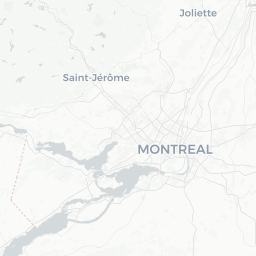
Longueuil is the largest city on Montreal's South Shore and the seat of the Montérégie region, sitting directly across the St. Lawrence River from the island of Montreal. With a population of roughly 229,000, it functions both as a self-contained urban centre with its own cultural identity and as a practical, quieter base for visitors exploring Greater Montreal.
The city was formally incorporated in the 17th century and retains some historic architecture in its Vieux-Longueuil (Old Longueuil) neighbourhood, anchored by the Cathedral of Saint-Antoine-de-Padoue. Much of modern Longueuil is residential and commercial, but green spaces, river access, and an efficient metro link to downtown Montreal make it a genuinely functional destination.
Travelers who stay in Longueuil typically benefit from lower accommodation costs than central Montreal while having fast transit access to the island. The city is also a destination in its own right for cyclists, nature walkers, and anyone interested in Québécois suburban culture away from tourist crowds.
Before You Go
Visas & Entry
Longueuil is in the province of Quebec, Canada. Entry requirements depend on your nationality and travel document. Do not rely on general summaries — check the TravelerPulse Visas section and verify current requirements directly with Immigration, Refugees and Citizenship Canada (IRCC) before booking.
Health & Vaccinations
No destination-specific vaccinations are required for Canada. Standard travel health precautions apply. If you plan to be active outdoors in warmer months, pack insect repellent — mosquitoes are present near the riverfront and in parks during summer evenings.
What to Pack
- Summers (June–August) are warm and humid; light layers and rain gear are useful.
- Winters (November–March) are cold with significant snowfall; waterproof boots, a heavy coat, and warm layers are essential.
- Comfortable walking or cycling shoes are worth bringing year-round given the city's trail network.
Getting There
By Air
The nearest major airport is Montréal-Trudeau International Airport (YUL), located on the island of Montreal. From the airport, Longueuil is accessible by taxi, rideshare, or public transit with a connection through downtown Montreal. Travel time varies with traffic; verify current transit options locally or via the STM and RTL transit websites.
By Metro
The most straightforward public transit link between Montreal and Longueuil is the Montreal Metro's Yellow Line, which terminates at Longueuil–Université-de-Sherbrooke station. The crossing under the St. Lawrence takes only a few minutes and runs frequently throughout the day.
By Bus
The Réseau de transport de Longueuil (RTL) operates local bus routes throughout the city, and express bus services connect Longueuil to various points on the South Shore and to Montreal. Verify current schedules on the RTL website.
By Car
Longueuil is accessible from Montreal via the Jacques-Cartier Bridge or the Louis-Hippolyte-La Fontaine Tunnel. The city is also well connected to Highway 20 (Autoroute Ville-Marie) and Highway 132. Parking is generally easier and cheaper here than in central Montreal, but rush-hour bridge traffic can be significant.
Getting Around
Metro & Bus
The Yellow Line metro station in Longueuil is a central hub. RTL buses extend coverage throughout the city. A single-fare or day pass on the STM (Montreal transit) is accepted on metro journeys; RTL requires its own fare — verify current integration rules and pricing on the RTL and STM websites.
Cycling
Longueuil has an extensive network of cycling paths (pistes cyclables), including dedicated lanes along the St. Lawrence waterfront and connections to the wider Montérégie trail network. Bike-share options may be available; verify locally as availability and operators can change.
On Foot
Vieux-Longueuil and the waterfront area are walkable. The central commercial districts around Place Longueuil are also pedestrian-accessible. For outer neighbourhoods, a bus or car is practical.
Car & Rideshare
Rideshare services (Uber and others) operate in the area. Car rental is available at the airport and at various points in Greater Montreal. Having a car is useful for exploring the broader South Shore.
Things to See & Do
Parc Michel-Chartrand
One of the largest urban parks in the Montérégie region, Parc Michel-Chartrand covers several hundred hectares and offers walking trails, cycling paths, cross-country skiing in winter, and a network of streams and wooded areas. It is a genuine natural retreat within city limits. Verify opening hours and any seasonal fees on the city's official parks website.
Vieux-Longueuil (Old Longueuil)
The historic core of the city centers on the Cathedral of Saint-Antoine-de-Padoue, one of the oldest churches in the region. The surrounding streets have some heritage architecture worth a short walk. Local cafés and small shops animate the area on weekdays and weekends.
St. Lawrence River Waterfront
The riverfront promenade offers views of the Montreal skyline and the river. It is a popular spot for walking, cycling, and picnicking from spring through autumn. The Parc de la Cité waterfront section connects to cycling routes heading east and west along the shore.
Place Longueuil & Cultural Venues
Place Longueuil is the main indoor shopping and community hub. The Maison de la Culture de Longueuil hosts rotating art exhibitions, performances, and community events — check their programming schedule locally or via the city's cultural website before visiting.
Day Trips to Montreal
With the Yellow Line metro, the core of Montreal (Berri-UQAM, Saint-Laurent, downtown) is roughly 10–15 minutes away by train, making Longueuil an effective base for exploring the island city without paying island accommodation prices.
Food & Drink
Local Dining
Longueuil's restaurant scene reflects the multicultural character of Greater Montreal, with French-Canadian diners and bistros, Italian, Lebanese, Vietnamese, and other cuisines well represented. The area around the metro station and along Rue Saint-Charles (Vieux-Longueuil) has a concentration of cafés and restaurants.
Québécois Staples
Visitors unfamiliar with Québécois food should look out for poutine (fries, cheese curds, and gravy), tourtière (meat pie), and locally produced maple products. These appear in both casual and sit-down restaurants throughout the city.
Coffee Culture
Montreal and its suburbs have a strong café culture. Independent coffee shops in Vieux-Longueuil and near the university hospital area offer quality espresso and a local atmosphere. Larger chains are also prevalent in commercial zones.
Practical Notes
- Tipping 15–20% is the standard practice in sit-down restaurants in Quebec.
- Most restaurants display menus in French; English menus are often available on request in areas with visitor traffic.
- Verify hours before visiting smaller establishments, as they can vary seasonally.
Practical Information
Money
Canada uses the Canadian Dollar (CAD). ATMs are widely available. Credit and debit cards are accepted almost universally; contactless payment is common. Currency exchange is available at the airport and major banks — compare rates before exchanging.
Communications
Canada uses 120V/60Hz electricity with Type A and B plugs (same as the US). Mobile coverage from major Canadian carriers (Bell, Rogers, Telus, and their sub-brands) is reliable throughout Longueuil. International roaming can be expensive; a local SIM or a roaming add-on from your home provider is worth arranging in advance.
Emergency Services
In any emergency in Canada, dial 911 for police, fire, or ambulance. For non-emergency police matters in Longueuil, contact the Service de police de l'agglomération de Longueuil (SPAL) — verify the non-emergency number locally or on their official website.
Pharmacies & Medical
Pharmacies (including Jean Coutu and Pharmaprix chains) are widely available and can assist with minor health queries. The Charles-Le Moyne Hospital serves the South Shore; verify its location and hours on the CISSS de la Montérégie-Centre website. Travel health insurance is strongly recommended for all visitors to Canada, as healthcare costs for non-residents can be significant.
Safety
Longueuil is generally a safe city. Standard urban precautions apply: be aware of your surroundings, keep valuables secured, and avoid leaving items visible in parked cars.
Winter road and sidewalk conditions can be hazardous during and after snowstorms. Ice on sidewalks is a real fall risk — wear appropriate footwear between November and March and allow extra time for travel after heavy snow.
The riverfront and park trails are well-used and considered safe during daylight hours. As with any urban park, it is sensible to stick to lit and populated paths after dark.
Local Culture & Etiquette
Longueuil is a predominantly francophone city. French is the working language of everyday life, government services, and most businesses. Making a basic effort to greet and address people in French — even just "Bonjour" — is genuinely appreciated and is considered standard courtesy in Quebec.
Quebec has a distinct cultural identity within Canada, with its own legal traditions (civil law), holidays, and social customs. The Fête nationale du Québec (June 24) is celebrated enthusiastically and is a public holiday. Travelers present during this period will find public celebrations, outdoor concerts, and a festive atmosphere.
The pace of life in Longueuil is somewhat more relaxed than in central Montreal. Businesses may close earlier on Sundays, and some smaller establishments take longer lunch breaks. Verify hours before making specific plans.