Translate
Overview
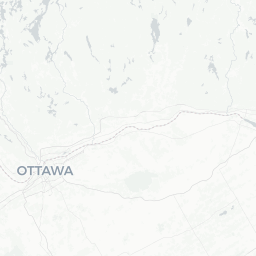
Ottawa sits at the confluence of the Ottawa, Rideau, and Gatineau rivers, directly across from Gatineau, Québec. As Canada's capital since 1857, the city is home to the federal government, the Supreme Court, and a concentration of national cultural institutions that would be remarkable for a city of any size, let alone one with a metropolitan population of just over one million.
The urban fabric balances federal grandeur with livable neighbourhoods. Centretown, the Glebe, Westboro, and Hintonburg each have a distinct character — independent restaurants, bookshops, weekend markets — while the ByWard Market district has been a commercial hub since the early nineteenth century. The presence of major universities and a large federal public service gives Ottawa a well-educated, internationally minded population.
The city's reputation as a bureaucratic backwater is genuinely outdated. Ottawa consistently ranks among the most livable cities in Canada and draws millions of visitors each year, not only for political tourism but for its festivals, cycling infrastructure, green spaces, and a museum sector that is largely free to enter.
Before You Go
Visas and Entry
Entry requirements for Canada vary significantly by nationality and purpose of visit. Do not rely on informal summaries. Check TravelerPulse's Visas section for general guidance and verify your specific requirements on the official Immigration, Refugees and Citizenship Canada (IRCC) website before you travel.
When to Go
- Winter (Dec–Feb): Cold, often well below freezing. The Rideau Canal typically opens for skating in January and February; Winterlude festival takes place in February. Pack accordingly — temperatures regularly drop to −15 °C or below, sometimes colder with wind chill.
- Spring (Mar–May): Variable and sometimes muddy early on, but May brings the Canadian Tulip Festival and reliably pleasant conditions.
- Summer (Jun–Aug): Warm to hot with long daylight hours. Canada Day on 1 July draws very large crowds to Parliament Hill and surrounding areas; book accommodation well in advance if visiting then.
- Autumn (Sep–Oct): Often considered the most comfortable season, with foliage colour in October and manageable crowds.
Health and Insurance
Canada's public health system does not cover visitors. Comprehensive travel health insurance is strongly recommended. Bring adequate supplies of any prescription medication and carry documentation for controlled substances.
Getting There
By Air
Ottawa Macdonald–Cartier International Airport (YOW) is the main gateway, located approximately 10–15 km south of downtown depending on your destination. It serves direct routes from major Canadian cities and a number of US and European hubs. Verify current routes and schedules with individual airlines or the airport's official site.
By Train
VIA Rail operates intercity rail service. The Ottawa station connects the city to Montréal (roughly two hours) and Toronto (roughly four to five hours, with a stop in Kingston). Check VIA Rail's official site for current timetables and fares.
By Bus
Flixbus and other intercity coach operators serve Ottawa from Toronto, Montréal, and other Ontario and Québec cities. Verify current operators and schedules locally or online before travel.
By Car
Ottawa is accessible via Highway 417 (the Queensway) from the west and east, and via Highway 416 from the south connecting to Highway 401, which links Toronto and Montréal. Cross-border connections from upstate New York and northern Vermont are feasible but factor in border wait times.
Getting Around
OC Transpo
Ottawa's public transit authority, OC Transpo, operates buses and the Trillium Line (a light rail line serving the southern suburbs) as well as the Confederation Line (O-Train Line 1), a light rail line running east–west through the city centre. Transit fares and schedules change periodically — confirm current information at octranspo.com or through the official OC Transpo app.
Cycling
Ottawa has an extensive network of multi-use pathways, particularly along the Rideau Canal and the Ottawa River. The National Capital Commission (NCC) maintains many of these paths. Vélo (bike-share) and various rental operators are available; verify current availability seasonally.
Walking
The core attractions — Parliament Hill, the ByWard Market, the major museums along Wellington and Sussex Drive, and the Rideau Canal — are clustered enough that walking is practical for much of a typical itinerary.
Taxis and Rideshare
Uber and local taxi services operate in Ottawa. Confirm current app availability on arrival.
To Gatineau
Gatineau, Québec, is directly across the Ottawa River and easily reached by bridge on foot, by bus, or by car. Several major attractions, including the Canadian Museum of History, are located there.
Things to See & Do
Parliament Hill
The Gothic Revival Parliament Buildings are the symbolic and functional centre of Canadian democracy. The Centre Block is currently undergoing a long-term restoration and access is limited, but the grounds, the Peace Tower area, and seasonal programming (including the summer Sound and Light Show on the façade) remain key draws. Check the Parliament of Canada's official site for current tour availability and access details, as these change during the restoration period.
National Museums (Most Are Free)
Ottawa's cluster of national institutions is one of the best concentrations of museums in North America:
- Canadian Museum of Nature — natural history collections in a landmark Victorian building
- Canada Science and Technology Museum — hands-on exhibits; good for families
- National Gallery of Canada — the permanent collection includes a world-class Inuit art collection and the most significant assembly of Canadian art in existence
- Canadian War Museum — thoughtful, comprehensive treatment of Canada's military history
- Library and Archives Canada — holds the national documentary heritage
The Canadian Museum of History is technically in Gatineau but is a short walk across the Alexandra or Portage bridges and is essential. Admission policies and hours vary by institution — verify on each museum's official site before your visit.
Rideau Canal
Designated a UNESCO World Heritage Site, the canal runs 202 km from Ottawa to Kingston. In summer it is used for recreational boating; in winter, when conditions permit, it transforms into what is promoted as the world's largest naturally frozen skating rink. Ice conditions vary year to year — check with the NCC for current status in winter.
ByWard Market
One of Canada's oldest and largest public markets, operating since 1826. The indoor market building and surrounding streets host farmers' market stalls (seasonal), restaurants, bakeries, and independent shops. It is busy year-round and particularly lively on weekend mornings.
Festivals
- Canadian Tulip Festival (May) — dating to a post-WWII gift of tulip bulbs from the Netherlands
- Canada Day (1 July) — major public celebrations centred on Parliament Hill
- Winterlude / Bal de Neige (February) — ice sculptures, canal skating, and winter activities
- Ottawa Jazz Festival (late June/early July) — verify current dates annually
Outdoor Activities
The Gatineau Park, operated by the NCC and beginning just north of the city in Québec, offers hiking, swimming at Meech Lake and Lac Philippe, and cross-country skiing in winter. The park is accessible by car; check NCC's site for trail conditions and any reservation requirements.
Food & Drink
Ottawa's dining scene has matured considerably in the past decade. The ByWard Market neighbourhood remains the densest concentration of restaurants and cafés, ranging from longstanding diners to contemporary Canadian cuisine. Elgin Street, the Glebe's Bank Street corridor, and Westboro are other reliable areas.
What to Look For
- BeaverTails — a fried pastry dough snack that originated in Ottawa; the original stand is in the ByWard Market and is a genuine piece of local food history, not merely a tourist gimmick
- Poutine — widely available; proximity to Québec means you'll find versions made with proper Quebec cheese curds
- Shawarma — Ottawa has an unusually strong shawarma culture relative to its size, a product of decades of immigration from Lebanon and other Middle Eastern countries; the city genuinely has a higher per-capita shawarma restaurant count than almost any other Canadian city
Coffee and Cafés
Independent coffee shops are well represented, particularly in Hintonburg, Westboro, and along Bank Street in the Glebe. Several local roasters operate their own retail spaces.
Drinking
Ontario's liquor retail situation has been evolving — beer, wine, and spirits are now available in an expanding number of grocery and convenience stores in addition to the LCBO (Liquor Control Board of Ontario) outlets. A number of local craft breweries and one or two distilleries operate in the Ottawa area. Verify current hours and locations directly.
Shopping
The ByWard Market area offers the broadest mix of souvenir shops, artisan food stalls, and boutiques in a compact area. For everyday retail, the Rideau Centre mall adjacent to the Rideau Canal locks is the largest downtown shopping centre. Westboro Village along Richmond Road has a concentration of independent and outdoor-gear retailers. The Glebe's Bank Street is good for independent bookshops and specialty stores.
For Canadian-made goods — particularly Inuit and First Nations art — the National Gallery of Canada's shop and the Museum of History shop across the river carry authenticated work, which is important given the prevalence of inauthentic 'Indigenous-style' products in the general tourist market.
Practical Information
Emergency Services
In any emergency in Canada, dial 911 for police, fire, or ambulance.
Electricity
Canada uses Type A and B plugs at 120 V / 60 Hz. Visitors from Europe, Australia, and most of Asia will need a plug adapter and should check whether their devices support dual-voltage.
Tipping
Tipping is standard practice in Canadian restaurants, typically 15–20% on the pre-tax total. Tipping is also customary for taxi drivers, hotel housekeeping, and other service workers.
Connectivity
Wi-Fi is widely available in hotels, cafés, and public spaces. Canadian mobile data can be expensive for visitors on foreign plans — consider a local SIM or roaming add-on from your home carrier.
Accessibility
Ottawa's major museums, Parliament Hill grounds, and the O-Train system are generally designed with accessibility in mind. Confirm specific needs with individual venues in advance, as some historic buildings have limitations.
Money
Major credit cards (Visa, Mastercard) are accepted almost universally. Contactless payment is widespread. ATMs are readily available throughout the downtown core. Inform your bank of travel plans to avoid card blocks.
Safety
Ottawa is consistently among the safest large cities in Canada. Violent crime affecting tourists is uncommon. Standard urban precautions apply: be mindful of your belongings in crowded areas such as the ByWard Market on weekend evenings, and take normal care when using ATMs.
The ByWard Market area can be busy and sometimes rowdy late at night on weekends. This is not typically a danger to visitors but is worth knowing if you prefer quieter surroundings in the evening.
Weather is the most practical safety consideration. Ottawa winters are genuinely cold and can be hazardous if you are inadequately dressed; windchill warnings are issued regularly between December and February. In summer, heat advisories are occasionally issued — stay hydrated and follow local public health guidance.
Local Culture & Etiquette
Ottawa is Canada's only officially bilingual major city, a status reflecting the federal government's bilingualism policy and the city's position on the Ontario–Québec border. In practice, English dominates everyday commerce in most of the Ontario side, though many residents are bilingual and you will hear French widely, particularly in government buildings, on the OC Transpo system, and among residents from the Francophone community concentrated in areas such as Vanier and Lowertown.
The city has a significant and long-established Lebanese-Canadian community, visible in its food culture and in various cultural institutions. There are also substantial Somali, Chinese, South Asian, and other communities that have shaped Ottawa's cultural life over decades.
Indigenous history and contemporary Indigenous presence are important to understanding Ottawa. The region is the traditional unceded territory of the Algonquin Anishinaabe people; this acknowledgement is made formally at most public events and in government spaces. The Canadian Museum of History in Gatineau and the Wabano Centre for Aboriginal Health are among the institutions where visitors can learn more substantively about Indigenous cultures and histories, beyond what is available in souvenir shops.