Overview
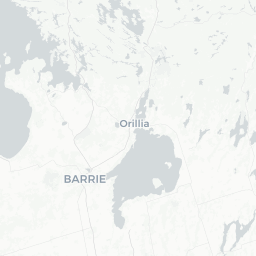
Barrie is a mid-sized city of roughly 148,000 people situated on the southern shore of Kempenfelt Bay, the western arm of Lake Simcoe, about 90 km north of Toronto. It functions both as a self-contained urban centre and as one of the primary staging points for Ontario's cottage country — the Muskokas and Georgian Bay are within easy reach to the north and northwest.
The city has a compact, walkable downtown that backs directly onto the waterfront, and a trail network that connects lakeside parks to the broader community. Its economy is diverse, anchored by healthcare, retail, and light industry, and it draws a steady flow of visitors year-round thanks to its beach in summer and proximity to ski hills in winter.
Barrie is not a glamorous international destination, but it offers genuine, accessible outdoor recreation, a growing food and drink scene, and a relaxed pace that contrasts with Toronto. Travelers who manage expectations accordingly tend to find it a pleasant stop or short-stay base.
Before You Go
Visas and Entry
Entry requirements depend on your nationality and travel history. Do not rely on this guide for visa rules — check TravelerPulse's Visas section and the official Immigration, Refugees and Citizenship Canada (IRCC) website before booking.
When to Go
- Summer (June–August): Warmest weather, beach season at Centennial Park, outdoor festivals, and farmers' markets. The city is busiest and accommodation fills on weekends.
- Fall (September–October): Comfortable temperatures, foliage colour in the surrounding region, fewer crowds.
- Winter (December–March): Cold and snowy. Useful as a base for nearby ski hills. Dress in proper insulated layers.
- Spring (April–May): Variable conditions, quieter, and shoulder prices at accommodation.
What to Pack
Weather in Barrie is genuinely four-season. Summers can be hot and humid; winters are cold with reliable snowfall. Pack sunscreen and insect repellent for summer visits, and waterproof insulated footwear for winter. Comfortable walking shoes suit the flat downtown waterfront year-round.
Getting There
By Car
Barrie is directly accessible via Highway 400 northbound from Toronto, making it roughly a 60–90 minute drive depending on traffic — Friday afternoon departures from Toronto can be significantly longer. Most visitors arrive by car, and having a vehicle is the most practical way to explore the broader region.
By Bus
Ontario Northland and other carriers operate intercity bus service between Toronto (Union Station area) and Barrie. Verify current schedules and fares directly with the operator, as routes and frequencies change seasonally.
By Train
As of the time of writing, GO Transit operates rail service from Toronto Union Station to Barrie (Barrie South and Allandale Waterfront stations) on select weekdays, with bus-based GO service filling other times. Check GO Transit's official site (gotransit.com) for current timetables and whether service has been expanded, as the Barrie GO corridor has been subject to ongoing planning updates.
Nearest Major Airport
Toronto Pearson International Airport (YYZ) is the closest major hub, approximately 100–115 km south. Lake Simcoe Regional Airport (YLK), located just east of Barrie in Oro-Medonte, handles charter and some small commercial flights — verify current commercial service directly with the airport.
Getting Around
Barrie Transit operates local bus routes throughout the city. The downtown core and waterfront are walkable, but most destinations beyond the centre require a vehicle or transit planning. Verify current routes and fares on the City of Barrie's official transit pages.
Ride-hailing services (Uber and others) operate in Barrie. Taxis are available but less prevalent than in larger cities. Cycling is practical in summer along the waterfront trail, and some bike-share or rental options have been available seasonally — confirm current availability locally.
A personal vehicle or rental car is strongly recommended for anyone planning to visit ski hills, provincial parks, or other attractions outside the city limits.
Where to Stay
Barrie has a functional range of accommodation including national and international hotel chains, motels along Highway 400 corridor exits, and a growing number of short-term rental properties (Airbnb, VRBO) particularly near the waterfront. Boutique hotel options are limited.
Book early if traveling on summer weekends, long weekends, or during ski season, when both Barrie and the surrounding cottage country experience high demand. Mid-week and shoulder season stays are generally easier to book and may be more affordable.
Verify all accommodation details — current availability, cancellation policies, and included amenities — directly with the property or booking platform before confirming.
Things to See & Do
Waterfront and Parks
Centennial Park is Barrie's primary beach and waterfront park on Kempenfelt Bay, offering a supervised sandy beach in summer, a splash pad, picnic areas, and walking paths. It is a central gathering point during warm months. The Waterfront Trail runs along the bay and connects multiple parks, making it popular with walkers, joggers, and cyclists.
Minet's Point Park and Heritage Park are quieter alternatives along the same shoreline, each with their own character and bay access.
Skiing and Winter Recreation
Barrie's main winter draw is its proximity to ski areas. Snow Valley Barrie is a downhill ski and snowboard area located just north of the city — it is modest in scale but accessible for beginners and families. Verify operating hours, lift ticket prices, and conditions directly with Snow Valley before visiting. Larger ski destinations such as those in the Collingwood/Blue Mountain area are within about an hour's drive.
Simcoe County Museum
Located a short drive north of the city in Minesing, the Simcoe County Museum covers regional Indigenous history and settler heritage through artifacts and heritage buildings. Confirm current hours and admission fees on the museum's official site.
Farmers' Market and Downtown
Barrie's downtown hosts a seasonal farmers' market (verify current schedule and location with the city). The downtown core has independent shops, cafés, and restaurants clustered around Dunlop Street and the lakefront.
Food & Drink
Barrie's dining scene is mid-sized city practical: a solid mix of independent restaurants, casual chains, and a growing number of craft establishments. The downtown and waterfront areas have the highest concentration of independent options.
Several local craft breweries and taprooms have established themselves in Barrie in recent years, reflecting a broader Ontario trend. These are worth exploring if craft beer is of interest — a quick local search will surface current operating venues, as the landscape shifts.
Farmers' market produce in season is genuinely high quality, reflecting the agricultural land that surrounds the city. Georgian Bay and Lake Simcoe have historically supported commercial fishing; pickerel (walleye) and other freshwater fish occasionally appear on local menus.
For specific restaurant recommendations, consult current review platforms (Google Maps, Yelp) immediately before your visit, as the independent food scene turns over more than in larger cities.
Practical Information
Emergency Services
In any emergency in Canada, dial 911 for police, fire, or ambulance. Royal Victoria Regional Health Centre (RVH) is Barrie's main hospital — confirm its current address and any urgent care alternatives on arrival.
Money
Most businesses in Barrie accept major credit cards. ATMs are widely available. Tipping is standard in Canadian restaurants and for personal services, typically 15–20% before tax.
Connectivity
Mobile coverage (LTE/5G) is good throughout the city from all major Canadian carriers. Free Wi-Fi is available in some public spaces and most cafés.
Taxes
Ontario charges the Harmonized Sales Tax (HST) of 13% on most goods and services. Prices displayed in stores are generally pre-tax.
Pharmacies and Essentials
Chain pharmacies (Shoppers Drug Mart, Rexall) are present in the city and carry a standard range of medications and travel essentials.
Safety
Barrie is generally a safe mid-sized Canadian city. Normal urban awareness — keeping track of belongings, being mindful of surroundings at night in quieter areas — is appropriate.
Water safety is relevant at Kempenfelt Bay: swim at supervised beaches during posted hours when possible, heed water quality advisories (issued by Simcoe Muskoka District Health Unit — check their site in summer), and use caution with personal watercraft.
Winter driving on Highway 400 and regional roads can be hazardous during and after snowstorms. Allow extra time, ensure your vehicle is winter-ready, and monitor Ontario 511 (511on.ca) for road conditions.