Overview
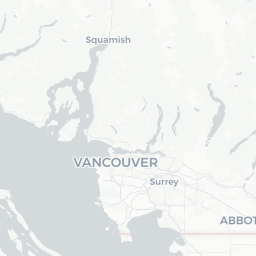
Richmond is a mid-sized city of roughly 210,000 people situated on a series of low-lying islands in the Fraser River delta, directly south of Vancouver and immediately adjacent to Vancouver International Airport (YVR). It sits on the traditional territories of the Musqueam people and has been shaped over the past century by waves of immigration, most notably from Hong Kong, mainland China, and other parts of East and Southeast Asia.
The result is a city with one of the most concentrated and diverse Asian food scenes outside of Asia itself. Visitors who come expecting a generic suburb are usually surprised: Richmond has genuine neighbourhood character, a historic fishing village, active farmland on its fringes, and a waterfront that fronts both the Fraser River and the Georgia Strait.
Because it shares the YVR campus, Richmond is often the first or last Canadian stop for international travellers to British Columbia — but it rewards those who slow down and treat it as a destination in its own right rather than just a layover city.
Before You Go
Visas and entry
Entry requirements for Canada vary by nationality and travel document. Do not rely on any single source for this information. Check TravelerPulse's Visas section for general guidance, then verify current rules directly with Immigration, Refugees and Citizenship Canada (IRCC) via the official Government of Canada website before booking.
Climate
Richmond has a mild oceanic climate. Summers (June–August) are warm and relatively dry, with daytime temperatures typically in the low-to-mid 20s°C. Winters are mild but wet and overcast; snow is infrequent but does occur. Spring and autumn are transitional with frequent rain. A compact waterproof jacket is useful year-round.
What to bring
- Comfortable walking shoes; much of Steveston and the dyke trails are on uneven ground
- A reusable bag — British Columbia has a single-use bag levy at most retailers
- Cash in small denominations, as some market stalls and smaller eateries are cash-preferred (though card acceptance is widespread)
- If visiting in summer, sunscreen and insect repellent for dyke and farm areas
Getting There
By air
Vancouver International Airport (YVR) is physically located within Richmond city limits, making it one of the most convenient airport-to-city relationships of any destination in Canada. The Canada Line SkyTrain connects YVR's domestic and international terminals directly to Richmond–Brighouse Station (the end of the line) and onward into Vancouver in under 30 minutes. Taxis and rideshare services are also available curbside.
By SkyTrain from Vancouver
The Canada Line rapid transit line runs frequently between downtown Vancouver and Richmond, with stations at Bridgeport, Aberdeen, Lansdowne, and Richmond–Brighouse. Journey time from Waterfront Station in downtown Vancouver is roughly 25–30 minutes. Verify current fares and schedules with TransLink (translink.ca).
By road
Richmond is connected to Vancouver via the Arthur Laing Bridge, Knight Street Bridge, and Oak Street Bridge. The George Massey Tunnel (currently being replaced by a new bridge — verify current status locally) links Richmond to Delta to the south. Highway 99 passes through the city. Driving in Richmond during peak hours can be slow; the SkyTrain is often faster for the Vancouver corridor.
Getting Around
Richmond is a spread-out city and is not comprehensively walkable in the way that a dense urban core would be. That said, the Canada Line corridor — from Bridgeport to Richmond–Brighouse — is reasonably walkable between stations and covers the main shopping and dining districts.
TransLink buses serve most neighbourhoods; a day pass purchased on the Compass Card system covers SkyTrain and bus travel. Verify current fares and routes at translink.ca.
Cycling is viable and actively encouraged. Richmond has an extensive network of flat dyke trails along the Fraser River and around the perimeter of the city. Bike rentals are available in Steveston village — verify current providers locally. The flat terrain makes cycling accessible for most fitness levels.
For Steveston and the southern parts of the city, a car or rideshare is the most practical option if you are not cycling. Street parking in Steveston village can be limited on summer weekends.
Things to See & Do
Steveston Village
Steveston is the most historically significant neighbourhood in Richmond. Once the salmon-canning capital of the world, it retains a working fishing wharf where you can buy fresh or live seafood directly from fishing boats (seasonally). The Gulf of Georgia Cannery National Historic Site tells the story of the BC salmon industry in depth — verify current opening hours and admission fees with Parks Canada before visiting. The village itself has independent shops, cafés, and heritage buildings along a compact, pleasant streetscape.
Richmond Night Market
Operating seasonally (typically late April through October — verify exact dates at the official site), the Richmond Night Market near Bridgeport SkyTrain station is one of the largest night markets in North America. Stalls sell a wide variety of Asian street foods, merchandise, and novelty items. It draws large crowds on weekends; arriving earlier in the evening helps. Admission is charged; verify the current fee at the official website.
Dyke Trails and Nature
Richmond sits on the Fraser River delta, and its perimeter dykes offer flat, scenic walking and cycling paths with views of the river, farmland, and the North Shore mountains. The West Dyke Trail between Steveston and Terra Nova Rural Park is a popular route. Terra Nova itself is a naturalist area with bird-watching opportunities, particularly during migratory seasons.
International Buddhist Temple
Located in the south of the city, the International Buddhist Temple is a large Chinese Buddhist temple with traditional architecture and well-maintained gardens. It is open to respectful visitors; dress modestly and verify hours locally before visiting.
Britannia Shipyards National Historic Site
Another Parks Canada site on the Steveston waterfront, Britannia Shipyards preserves the remains of a former cannery and boatyard with interpretive displays. It occupies a scenic spot on the Fraser River. Verify current status, hours, and admission with Parks Canada.
Food & Drink
Richmond's food scene is widely regarded as one of the best reasons to visit. The city has an exceptional density of Chinese, Japanese, Korean, Vietnamese, Taiwanese, and other Asian restaurants — including many that specialists regard as among the finest of their kind in North America.
Where to eat
- Alexandra Road ('Food Street'): A strip of restaurants and bubble tea shops running east from the Aberdeen SkyTrain area, known for regional Chinese cuisine, Hong Kong–style cafés, and Japanese dining.
- Parker Place and Aberdeen Centre: These Asian-oriented shopping malls contain food courts and standalone restaurants ranging from quick bites to sit-down dim sum. The food courts are a legitimate meal destination, not just a convenience stop.
- Steveston Village: Offers a different flavour — fish and chips from the wharf, casual cafés, and a small number of independent restaurants with river views.
- Richmond Night Market (seasonal): Street food is the main draw — skewers, takoyaki, stinky tofu, cheesy fries, Taiwanese sausages, and much more.
Practical notes
Dim sum is a Richmond institution; several large restaurants serve it daily but waits can be long on weekend mornings — arriving before 11 a.m. helps. Many restaurants post menus in both English and Chinese; Google Translate's camera function is useful for picture-only menus. Tipping 15–20% is standard in sit-down restaurants in BC.
Shopping
Richmond has a notable concentration of Asian-oriented shopping centres that carry goods, brands, and specialty items not commonly found elsewhere in Canada. Aberdeen Centre, Parker Place, Yaohan Centre, and Lansdowne Centre are the main malls near the Canada Line corridor. These carry a mix of Asian fashion brands, imported grocery stores, herbal medicine shops, electronics, and specialty food retailers.
For visitors interested in fresh produce and live seafood, the T&T Supermarket chain (multiple Richmond locations) is a large-format Asian grocery worth exploring even if you are not cooking. Independent produce markets and tofu shops in the Alexandra Road area are similarly worthwhile.
Steveston Village has a handful of independent boutiques, artisan goods, and souvenir shops more oriented toward the heritage and coastal character of the neighbourhood. It is a notably different retail experience from the mall corridor.
Practical Information
Money
ATMs are widely available. Major credit cards are accepted at nearly all hotels, restaurants, and shops. Some smaller market stalls and a minority of casual restaurants are cash-only or cash-preferred — it is useful to carry some CAD. Interac debit (including contactless) is widely accepted by Canadian businesses.
Internet and phone
Public Wi-Fi is available in shopping malls and many cafés. Canadian mobile data is relatively expensive by international standards; visitors with unlocked phones may wish to purchase a local SIM from one of the national carriers or smaller providers available at YVR and across the city.
Accessibility
The Canada Line SkyTrain stations are step-free with elevator access. Steveston Village's main commercial street is mostly flat and paved. Some dyke trails have uneven surfaces. Verify accessibility specifics for individual attractions before visiting.
Emergency services
In an emergency anywhere in Canada, dial 911 for police, fire, or ambulance.
Safety
Richmond is a generally safe city. Petty theft and opportunistic vehicle break-ins occur, as in any urban area — do not leave valuables visible in parked cars. The Bridgeport area around the night market can be very crowded on summer evenings; keep an eye on personal belongings in dense crowds.
The Fraser River and its dyke areas are pleasant but not staffed; be aware of tidal mud and water conditions if walking or cycling near the water. Stay on established paths.
As in the rest of Metro Vancouver, homelessness and associated social issues are visible in some commercial areas but are not concentrated in the main visitor districts. Standard urban awareness applies.
Local Culture & Etiquette
Richmond's identity has been significantly shaped by immigration from Hong Kong and mainland China since the 1980s and 1990s. Today, Mandarin and Cantonese are heard as commonly as English in many parts of the city, and a large proportion of businesses operate primarily in Chinese alongside English. This is not superficial — it reflects a community that has built deep roots and institutions over decades.
Visitors should approach this cultural landscape with genuine curiosity rather than treating it as a novelty. If you visit a temple, dress modestly, observe quietly, and follow any posted instructions. At restaurants or shops where staff may be communicating primarily in another language, patience and a good-natured attitude go a long way.
Richmond also has a distinct Japanese-Canadian historical presence in Steveston, where a significant Japanese fishing community lived before the forced relocation and internment of Japanese Canadians during the Second World War. This history is acknowledged at some of the heritage sites and is worth understanding before visiting.