Overview
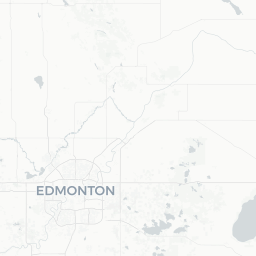
Edmonton is Alberta's provincial capital, situated on the North Saskatchewan River roughly in the geographic centre of the province. With a population just over one million in the city proper, it is Canada's northernmost major metropolitan area and serves as the primary commercial and administrative gateway to Alberta's north.
The city straddles the river valley — one of the longest stretches of connected urban parkland in North America — giving it a greener character than many prairie cities of similar size. Downtown sits on the north bank, while neighbourhoods such as Strathcona and Whyte Avenue on the south bank retain a distinct, walkable character with older building stock, independent shops, and a lively arts scene.
Edmonton has a diversified economy anchored by government, healthcare, education (the University of Alberta is one of Canada's leading research universities), and energy-sector services. While the oil sands industry is headquartered in Fort McMurray, Edmonton functions as its logistical and professional backbone. This economic profile gives the city a practical, working character that visitors generally find unpretentious and welcoming.
Before You Go
Visas
Canada's entry requirements vary significantly by nationality. Some travellers need a visa; others need only an Electronic Travel Authorization (eTA). Check TravelerPulse's Visas section and the official Immigration, Refugees and Citizenship Canada (IRCC) website for current requirements before booking.
Climate
Edmonton has a semi-arid, continental climate with four distinct seasons. Summers (June–August) are warm and can reach the high 20s°C, with long daylight hours. Winters are cold and dry; temperatures routinely drop below −15°C and occasionally below −30°C. Spring and autumn are brief and variable. Pack layers regardless of the season and be prepared for rapid weather changes.
Health
No vaccinations are required for entry into Canada. Travel health insurance is strongly recommended, as healthcare costs for non-residents can be substantial. Bring an adequate supply of any prescription medications, as obtaining them across borders can be complicated.
What to Pack
- Summer: light layers, sunscreen, insect repellent (mosquitoes are active near the river valley)
- Winter: insulated waterproof boots, a parka rated for −30°C or lower, thermal underlayers, hat and gloves
- Year-round: comfortable walking shoes; the city is spread out and some neighbourhoods require significant on-foot exploration
Getting There
By Air
Edmonton International Airport (YEG) is located approximately 30 km south of downtown. It handles direct flights from across Canada, the United States, Mexico, and a limited number of international destinations. Verify current routes and schedules on the airport's official website or with airlines directly, as routes change seasonally.
Ground transportation from YEG to the city includes a bus rapid transit link (the 747 express bus connecting to the LRT network), taxis, and rideshare services. Verify current timetables and fares locally before travel.
By Road
Edmonton sits at the intersection of several major highways. Highway 2 (the QEII) connects it to Calgary roughly 300 km to the south — the most heavily travelled intercity corridor in Alberta. Greyhound Canada suspended national bus service in 2021; verify whether any intercity coach operators serve Edmonton at the time of your trip.
By Rail
VIA Rail does not currently serve Edmonton on its regular network. The city is not on any active long-distance passenger rail route; confirm this status before planning rail travel.
Getting Around
Public Transit
Edmonton Transit Service (ETS) operates an LRT (Light Rail Transit) network and an extensive bus system. The Valley Line and Capital Line are the primary LRT routes; the network has been expanding in recent years, so verify the current map on the ETS website before your visit. Transit fares are paid by cash, paper ticket, or transit card — confirm accepted payment methods locally.
Rideshare and Taxis
Uber and Lyft both operate in Edmonton. Traditional taxi companies are also available. Rideshare is generally a reliable option for reaching areas not well served by transit.
Cycling
The river valley trail network is excellent for recreational cycling. Dedicated cycling infrastructure in the urban grid is less comprehensive but has been growing. Bike-share options have existed in the city previously; verify current availability locally.
Driving
Edmonton is a spread-out, car-friendly city and many attractions outside the core are easiest to reach by car. Street parking and paid lots are available downtown. Winter driving requires significant care; studded or winter-rated tires are advisable from approximately October through April.
Things to See & Do
West Edmonton Mall
One of the largest shopping and entertainment complexes in the world, West Edmonton Mall contains an indoor water park (World Waterpark), an ice rink, a miniature golf course, a hotel, a replica of Bourbon Street, and hundreds of retail tenants. Admission fees apply to the water park and some attractions; verify current prices on the mall's official site.
River Valley and Ribbon of Green
The North Saskatchewan River Valley contains approximately 7,400 hectares of connected parkland — a genuine green spine through the urban fabric. The trail system is used year-round for cycling, running, skiing, and walking. Hawrelak Park is a popular destination within the valley for picnics and events.
Old Strathcona and Whyte Avenue
South of the river, the historic Strathcona neighbourhood centres on Whyte Avenue (82 Avenue). This is the city's most walkable strip, lined with cafés, restaurants, independent bookshops, vintage stores, and live music venues. The area also hosts the Edmonton International Fringe Theatre Festival each August — one of the largest fringe festivals in North America.
Royal Alberta Museum
Located downtown, the Royal Alberta Museum is the largest museum in western Canada. It holds significant natural history and human history collections related to Alberta and Indigenous peoples of the region. Verify current admission fees and hours on the museum's official website.
Art Gallery of Alberta
Also downtown, the Art Gallery of Alberta (AGA) occupies a distinctive building designed by architect Randall Stout and hosts rotating exhibitions alongside a permanent collection. Check the AGA website for current programming.
Fort Edmonton Park
A living history museum on the south bank of the river, Fort Edmonton Park reconstructs aspects of Edmonton's history across different eras, from the fur trade period through the mid-twentieth century. Verify seasonal opening status before visiting.
Festivals
Edmonton has a strong festival calendar: the Fringe (August), K-Days (formerly Klondike Days, July), the Edmonton Folk Music Festival (August), the Edmonton International Film Festival (autumn), and Silver Skate Festival (February) are among the established events. Confirm dates and lineups annually.
Food & Drink
Dining Scene
Edmonton's restaurant scene is more diverse than its reputation sometimes suggests. Whyte Avenue and the surrounding Old Strathcona neighbourhood have the densest concentration of independent restaurants, but dining options are spread across the city. The city's multicultural population is reflected in a range of South Asian, East Asian, Middle Eastern, and East African dining options alongside North American staples.
Local Highlights
- Alberta beef features prominently on many menus; the province is a leading beef producer and steakhouses are well represented.
- Indigenous-influenced cuisine has a growing presence through chefs and caterers working with traditional ingredients such as bison, bannock, and foraged plants — worth seeking out for a distinctly regional experience.
- Craft beer has a strong local scene; several breweries operate within the city and offer taprooms open to the public. Verify individual hours locally.
Neighbourhoods for Eating
- Whyte Avenue / Old Strathcona: highest density of independent options
- Chinatown / Little Italy (north side, near 97 Street): older ethnic dining districts, somewhat changed in character; worth exploring with adjusted expectations
- Brewery District / 104 Street: a developing area with newer restaurants and a Saturday farmers' market (City Market Downtown, operating seasonally — verify dates)
Drinking Laws
Alberta's legal drinking age is 18, lower than most Canadian provinces. Alcohol is sold through licensed retail stores (including private liquor stores, which are common in Alberta) and licensed establishments. Last call and serving hours are regulated — verify locally.
Shopping
West Edmonton Mall is the obvious anchor for shopping, but visitors looking for independent retail should spend time on Whyte Avenue in Old Strathcona, where locally owned bookstores, vintage clothing shops, record stores, and artisan goods retailers are concentrated. The 124 Street area on the west side of downtown has developed into a gallery and boutique district. The City Market Downtown (104 Street, operating Saturdays in warmer months) is a good source for local food products, crafts, and produce — verify current season and hours before visiting.
Alberta has no provincial sales tax (PST), meaning purchases are subject only to the federal GST (currently 5%). This makes the province a relatively tax-light shopping destination compared to most of Canada.
Practical Information
Emergency Services
Dial 911 for police, fire, or ambulance emergencies anywhere in Canada.
Electricity
Canada uses 120V / 60Hz with Type A and Type B outlets (same as the United States). Travellers from Europe, Asia, Australia, and Africa will need a plug adapter and possibly a voltage converter for some devices.
Tipping
Tipping is customary and expected in Canada. Restaurant servers typically receive 15–20% of the pre-tax bill. Tip taxi drivers, hotel housekeeping, and other service workers according to similar conventions. Many point-of-sale terminals now suggest tip amounts — you are not obligated to select the highest option.
Connectivity
Wi-Fi is widely available in hotels, cafés, libraries, and many public spaces. Canadian mobile carriers offer good coverage in Edmonton and along major highways; coverage diminishes in rural and northern Alberta. International visitors should check roaming costs with their home carrier or consider a local SIM.
Pharmacies and Medical
Pharmacies (including major chains such as Shoppers Drug Mart and London Drugs) are widespread. For non-emergency medical care, walk-in clinics operate across the city — verify locations and hours locally. Non-residents should expect to pay out of pocket and claim through travel insurance.
Time
Edmonton observes Mountain Standard Time (MST, UTC−7) in winter and Mountain Daylight Time (MDT, UTC−6) in summer. Alberta follows standard North American daylight saving time schedules.
Safety
Edmonton is generally a safe city for travellers exercising ordinary urban awareness. Like most large Canadian cities, it has neighbourhoods with higher rates of property crime and social disorder — the area around 97 Street in the downtown core and some parts of the north side have historically seen more street-level issues, including drug use and associated activity. This should be context, not alarm: millions of people live and work in these areas without incident.
The river valley trail system, while beautiful, becomes isolated at night; avoid using remote sections of the trails after dark, particularly alone. Winter presents its own safety considerations: frostbite and hypothermia are genuine risks in extreme cold. Monitor Environment Canada weather alerts when temperatures drop significantly and plan outdoor time accordingly.
Vehicle break-ins and property theft occur; do not leave valuables visible in parked vehicles. Standard precautions apply: be aware of your surroundings, keep bags secure, and use well-lit and populated routes at night.
Local Culture & Etiquette
Edmonton sits on Treaty 6 territory, the traditional lands of numerous First Nations including the Cree, Nakota Sioux, Blackfoot, and Métis peoples. Acknowledgement of this history is common at public events and institutions, and several cultural organizations work to maintain and share Indigenous heritage. The Métis Nation of Alberta has a significant presence in the city.
The city has a strong arts infrastructure relative to its size, partly a legacy of deliberate civic investment during Alberta's resource booms. The Edmonton Symphony Orchestra, a robust theatre community, and a prolific visual arts scene all operate year-round. The Fringe Festival in August is the centrepiece of the arts calendar and draws international performers and large local audiences.
Edmonton is home to a highly diverse immigrant population, with significant communities from the Philippines, South Asia, East Africa, and China, among many others. This diversity shapes the city's food, religious landscape, and community events in tangible ways that are worth engaging with rather than overlooking in favour of the more prominent tourist anchors.