Translate
Overview
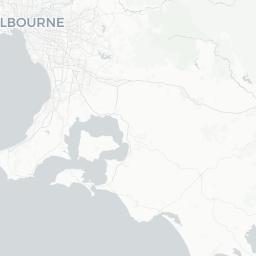
The City of Port Phillip is an inner-city local government area on Melbourne's southern fringe, wrapping around the eastern shore of Port Phillip Bay. Its suburbs include St Kilda, South Melbourne, Port Melbourne, Albert Park, Elwood, and Balaclava, each with a distinct character but all sharing easy access to the bay and Melbourne's broader cultural life.
St Kilda is the area's best-known neighbourhood — a beachside suburb with a colourful history that today blends weekend markets, heritage fairground rides, migrant food traditions, and a lively live-music scene. South Melbourne and Albert Park offer a quieter, more residential atmosphere alongside some of Melbourne's most respected cafés and restaurants.
Because the City of Port Phillip sits only a few kilometres from Melbourne's CBD, it functions both as a self-contained destination and as an excellent base for exploring the wider metropolitan area. Trams connect the suburbs to the city centre quickly, making it straightforward to stay bayside and still access major museums, galleries, and entertainment precincts.
Before You Go
Visas
Australia requires most international visitors to hold a valid visa or travel authority before arrival. Requirements vary significantly by nationality. Check TravelerPulse's Visas section for guidance relevant to your passport, and verify current requirements with the Australian Department of Home Affairs (homeaffairs.gov.au).
What to pack
- Melbourne's weather is famously changeable; bring layers even in summer, as cool sea breezes off the bay can arrive suddenly.
- Sunscreen and a hat are essential from October through March — UV levels are high.
- Comfortable walking shoes are worthwhile; much of the area is best explored on foot along the foreshore and through café strips.
Health
No vaccinations are specifically required for travel to Victoria. Australia has a high standard of medical care. Travel health insurance is strongly recommended for international visitors. Confirm your insurance covers activities like swimming and cycling. The nearest major hospitals are in Melbourne's inner city; verify locations before you travel.
Getting There
By air
Melbourne Airport (Tullamarine) is the primary international gateway, located roughly 25–30 km north of the City of Port Phillip. Avalon Airport, to the southwest, handles some domestic and budget international routes. Neither airport is directly linked by rail to the city at time of writing; airport coaches (SkyBus) and taxis or rideshare services are the main transfer options to St Kilda and surrounding suburbs. Verify current transport options and journey times on the relevant operator's website.
By train and bus
If travelling from regional Victoria or interstate, Southern Cross Station in Melbourne's CBD is the main rail and coach terminus. From there, trams and local buses run directly into the City of Port Phillip.
By car
The area is accessible via the Westgate Freeway and Citylink from the west, and via Punt Road and St Kilda Road from the north. Parking in St Kilda and South Melbourne can be limited on weekends and during events; check local signage carefully for time restrictions.
Getting Around
Public transport is the most practical way to move around the City of Port Phillip and into central Melbourne. Trams run frequently along St Kilda Road, Fitzroy Street, and Carlisle Street, connecting to the city's free tram zone. The Sandringham suburban rail line serves Windsor and St Kilda Road-adjacent stops. A Myki card (Melbourne's reloadable transit card) is required on trams, trains, and buses; single-use tickets are not available on most services. Top up Myki cards at 7-Eleven stores, train stations, or the PTV (Public Transport Victoria) website.
Cycling is popular and practical. The St Kilda foreshore shared path extends along the bay and connects north towards Port Melbourne and south towards Elwood and Brighton. Bike-share schemes operate in the area — verify current availability locally. Walking between St Kilda, Elwood, and Albert Park is feasible for those comfortable with distances of 2–4 km. Rideshare apps (Uber, DiDi) have good coverage.
Things to See & Do
St Kilda Foreshore and Beach
The beach itself is a broad stretch of sand with calm bay water, well-suited to swimming, paddleboarding, and foreshore walking. It is a working public beach — no entry fee — and draws both locals and visitors year-round. Early mornings are peaceful; summer weekends are busy.
Luna Park
One of Australia's oldest operating amusement parks, Luna Park sits at the northern end of St Kilda beach and has been a landmark since 1912. Its heritage-listed entrance face is instantly recognisable. Ride access requires purchasing tickets; verify current hours and pricing directly with the venue before visiting.
St Kilda Esplanade Market
Held on Sunday mornings along the Upper Esplanade, this long-running arts and crafts market features local artisans selling handmade goods, jewellery, art, and photography. Free to browse. Verify current operating dates locally.
Albert Park Lake
A large artificial lake used for recreational walking, cycling, and rowing, located in the suburb of Albert Park. The surrounding parkland hosts the Australian Formula 1 Grand Prix circuit; outside race periods, the roads around the lake are open to cyclists and walkers.
St Kilda Botanic Gardens
A quiet, formally landscaped garden in Balaclava with a heritage rose collection and a small conservatory. Free entry; a good spot for a mid-afternoon rest.
Live music and arts
The area has a long association with Melbourne's live-music culture. Venues in St Kilda host original and cover acts across multiple nights of the week. Check local listings closer to your visit for current programming.
Food & Drink
The City of Port Phillip's café and restaurant culture reflects Melbourne's broader reputation as one of Australia's leading food cities. St Kilda, Fitzroy Street, and Acland Street are the main dining strips, while South Melbourne Market is a respected destination for fresh produce, specialty food stalls, and casual eating.
Acland Street
Historically associated with Central European Jewish and Eastern European migrant communities, Acland Street is known for its cake shops and bakeries. The character of the strip has evolved over decades but retains several long-standing patisseries selling continental-style pastries, including custard slices and cream-filled gateaux. Worth a visit for a coffee-and-cake stop.
South Melbourne Market
One of Melbourne's oldest fresh food markets, operating on specific days of the week (verify current trading days on the market's official website). It has a strong local following for its dim sims (a distinctly Melbourne take on a Chinese dumpling), butchers, seafood, cheese, and multicultural street-food stalls.
General tips
- Specialty coffee is taken seriously here; expect well-prepared espresso at most independent cafés.
- Weekend brunch is a cultural institution; popular spots fill quickly between 9 am and 11 am. Arriving early or on a weekday avoids waits.
- BYO (bring your own alcohol) is permitted at some restaurants; check when booking.
- Tipping is not obligatory in Australia but is appreciated for good service, typically 10%.
Shopping
Chapel Street, running through the adjacent suburb of Prahran (partly within Port Phillip), is one of Melbourne's main fashion and retail corridors, covering a range from high-street chains to independent boutiques and vintage stores. The South Yarra end trends upmarket; the Prahran end skews toward secondhand and independent shops.
The Sunday Esplanade Market is the go-to source for locally made art and craft. For everyday groceries and specialty produce, South Melbourne Market is a practical and atmospheric choice. Carlisle Street in Balaclava has a concentration of independent bookshops, clothing boutiques, and delis.
Practical Information
Emergency services
In Australia, dial 000 for police, ambulance, or fire. This number works from any phone including mobile phones without credit.
Money
ATMs are widely available throughout St Kilda, South Melbourne, and Port Melbourne. Contactless card payment (including via smartphone) is accepted at the vast majority of businesses. Carrying some cash is useful for markets and some smaller food stalls.
Internet and connectivity
Free public Wi-Fi is available at some outdoor areas and venues; coverage and reliability vary. Australian SIM cards are straightforward to purchase at convenience stores and supermarkets — bring an unlocked phone.
Accessibility
Trams in Melbourne vary in accessibility; newer low-floor trams run on some routes, while older models require step access. The foreshore path is largely flat and suitable for wheelchairs and prams. Verify accessibility details for specific venues directly.
Public toilets
Public facilities are available at St Kilda Beach, the Esplanade, and near South Melbourne Market. Standards are generally acceptable.
Safety
The City of Port Phillip is generally safe for visitors, though like any urban area it warrants standard precautions. St Kilda's Fitzroy Street and parts of the foreshore can attract street-level drug activity, particularly late at night and in the early morning; this is unlikely to directly affect visitors who are aware of their surroundings.
Keep an eye on your belongings at busy beach and market areas, and avoid leaving valuables visible in parked cars. Swimming at St Kilda Beach is generally safe — the bay is sheltered and there are no significant rip currents — but observe any flags or notices posted by lifeguards. Sun safety is important; UV radiation in Victoria is high from October to March.
The area around St Kilda station can be livelier at night; travelling in groups after late-night events is sensible. Overall, the City of Port Phillip is a well-populated, active inner-city area and incidents specifically targeting tourists are uncommon.
Local Culture & Etiquette
The City of Port Phillip has historically been home to working-class communities, waves of post-war European migrants, and — from the 1970s onwards — artists, musicians, and LGBTQ+ communities who were drawn to the area's relative affordability and tolerance. That layered history is still visible in the built environment and in the diversity of food, religious institutions, and community organisations.
St Kilda has a particularly significant place in Australian LGBTQ+ history and remains a welcoming neighbourhood. The area hosts events connected to Pride and other community festivals; check local event calendars for timing.
Aboriginal and Torres Strait Islander peoples have a long connection to the Port Phillip Bay region. The Boon Wurrung (Bunurong) people are the Traditional Custodians of much of the land on which the City of Port Phillip now sits. Acknowledging this history is part of respectful engagement with the area.