Translate


Overview
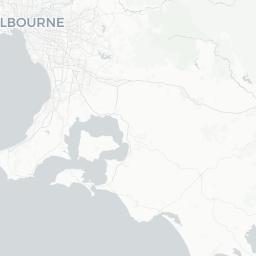
Ballarat is a regional city of around 112,000 people located approximately 110 km west of Melbourne in central Victoria. It sits at an elevation of roughly 435 metres on the western edge of the Great Dividing Range, which gives it a noticeably cooler and more variable climate than the state capital.
The city rose to prominence during the Victorian Gold Rush of the 1850s, and that heritage is still the defining thread of its identity. The streets of the inner city are lined with substantial bluestone and brick buildings from that era — banks, churches, theatres, and civic buildings that speak to the wealth the goldfields once generated. Ballarat's built heritage is among the most intact of any regional Australian city.
Beyond the history, Ballarat functions as a genuine regional hub with a university, a busy arts scene, well-regarded restaurants, and an increasingly recognised café culture. It draws day-trippers from Melbourne but rewards visitors who stay longer and explore at a slower pace.
The Eureka Stockade of 1854 — a rebellion by gold miners against colonial licensing authorities — took place here, and its legacy as a touchstone of Australian democracy and workers' rights gives Ballarat a significance that reaches well beyond tourism.
Before You Go
Visas
Australia requires most international visitors to hold a valid visa or electronic travel authority before arrival. Requirements vary significantly by nationality. Check TravelerPulse's Visas section and the Australian Department of Home Affairs website for current, authoritative information before booking.
Climate
Ballarat has a cool temperate climate. Summers (December–February) are warm to occasionally hot, with temperatures that can exceed 35 °C during heatwaves, but evenings cool off significantly. Winters (June–August) are genuinely cold, with overnight temperatures regularly near or below 5 °C and occasional frosts. Rain is spread fairly evenly across the year. Pack layers regardless of the season.
What to pack
- Warm layers even in summer, particularly for evenings
- Waterproof jacket or compact umbrella
- Comfortable walking shoes — the main heritage precincts are best explored on foot
- Sun protection (hat, sunscreen) for summer visits
Health
Australia has a high standard of medical facilities. Ballarat Base Hospital provides public emergency services. Travel insurance that covers medical expenses is strongly recommended for all international visitors. No vaccinations are specifically required for entry to Australia, but verify current health entry requirements with official sources before travel.
Getting There
From Melbourne
Ballarat is most commonly reached from Melbourne. V/Line operates frequent passenger rail services between Melbourne's Southern Cross Station and Ballarat Station; journey time is typically around 1 hour 20 minutes. Check V/Line's official website for current timetables and fares.
By road, Ballarat is approximately 110 km from Melbourne via the Western Freeway (M8/A8), making it about a 90-minute drive depending on traffic. Car hire is available at Melbourne Airport and in the Melbourne CBD.
By Air
Ballarat does not have a commercial passenger airport. The nearest major international and domestic airport is Melbourne Airport (Tullamarine). From the airport, travellers can connect to Ballarat by hire car, coach services, or by travelling into Melbourne first and then taking the train. Verify coach service availability and schedules locally or through the operator's official site.
Coach
Regional coach services connect Ballarat with parts of regional Victoria. Check V/Line and private operators for routes and current schedules.
Getting Around
Within the City
Ballarat has a local bus network operated under the Public Transport Victoria framework. Routes connect the city centre with suburbs and major attractions. Check the PTV website or app for current route maps, timetables, and fares.
The inner city — including the main heritage precinct along Sturt Street and Lydiard Street, and the Sovereign Hill area — is walkable, and walking is the most practical way to experience these neighbourhoods.
Taxis and Rideshare
Taxis operate in Ballarat. Rideshare services such as Uber are available, though coverage may be less extensive than in Melbourne. Verify availability through the relevant app.
Cycling
Ballarat has a network of shared paths and some dedicated cycling infrastructure. The city is broadly flat in its central areas, making cycling feasible. Bike hire availability should be verified locally.
Car
Having a car gives the most flexibility, particularly for visiting attractions outside the centre such as the Ballarat Wildlife Park or the regional wineries. Street parking and car parks are available in the CBD; check local signage for current rules and any fees.
Where to Stay
Ballarat has accommodation across a range of categories, from budget hostels and motels to mid-range hotels and boutique properties, including some historic buildings in the CBD that have been converted to accommodation. Several well-known hotel brands operate in the city; verify current availability and rates through standard booking platforms.
Craig's Royal Hotel on Lydiard Street is a well-known heritage property with a long history in the city, though travellers should confirm current operational status and rates directly. Numerous bed-and-breakfast and self-contained holiday rental options exist, particularly in restored period homes.
For visitors attending major events such as the Ballarat Begonia Festival (held over the Labour Day long weekend in March) or the Ballarat Swap Meet, accommodation books out quickly. Reserve well in advance if your visit coincides with a large event.
Things to See & Do
Sovereign Hill
Sovereign Hill is Ballarat's flagship attraction — an open-air living museum that recreates a gold-mining township of the 1850s. Visitors can pan for gold, watch period demonstrations, and explore underground mine tunnels. It also operates a separate ticketed evening sound-and-light show called Blood on the Southern Cross, which depicts the Eureka Stockade. Admission fees and opening hours should be confirmed on the Sovereign Hill official website before visiting, as they are subject to change.
Museum of Australian Democracy at Eureka (MADE)
Located near the Eureka Stockade site, this museum tells the story of the 1854 rebellion and Australian democratic history. It houses the original Eureka Flag, one of the most significant artefacts in Australian history. Verify current admission and hours with the museum directly.
Lydiard Street Heritage Precinct
Lydiard Street is considered one of the best-preserved Victorian-era streetscapes in Australia. The former Mining Exchange, Her Majesty's Theatre, Craig's Royal Hotel, and the Art Gallery of Ballarat are all located here or nearby. Much of this precinct can be explored for free simply by walking.
Art Gallery of Ballarat
Established in 1884, the Art Gallery of Ballarat holds a substantial collection of Australian art, including significant colonial and gold-rush-era works. General admission is typically free, though ticketed exhibitions may apply; verify on the gallery's official site.
Lake Wendouree
A large artificial lake on the city's western edge that hosted the rowing events at the 1956 Melbourne Olympics. The surrounding parklands — including the Ballarat Botanical Gardens, which feature a significant collection of statuary and a conservatory — are pleasant for walking and cycling.
Wildlife and Nature
The Ballarat Wildlife Park is a privately operated zoo with Australian native animals. The Enfield State Park and Lal Lal Falls are within reasonable driving distance for those seeking bushland walks. Check local conditions and access before visiting any natural areas.
Food & Drink
Dining
Ballarat has developed a credible dining scene over the past decade, with a concentration of cafés, restaurants, and bars in the CBD and the emerging Bakery Hill area. The city's café culture is particularly strong — quality espresso coffee is easy to find. Cuisine options range from modern Australian to Italian, Asian, and pub meals.
The Sturt Street and Armstrong Street corridors, along with the Lydiard Street precinct, have a good density of dining options. Menus and operating hours change regularly; checking Google Maps or the venue's social media before visiting is advisable.
Drink
Ballarat and the surrounding Grampians and Pyrenees wine regions produce wines worth exploring, and local bottle shops and some restaurants stock regional labels. Craft beer has a presence in the city, with several venues offering local and Victorian-made tap beers.
Practical Notes
- Many venues are closed on Mondays or have reduced hours mid-week; plan accordingly
- Bookings are recommended on weekend evenings at popular restaurants
- Tipping is not mandatory in Australia but is appreciated for good service
Shopping
The Ballarat CBD has a mix of independent retailers, chain stores, and a covered shopping centre. The Bridge Mall pedestrian precinct is the main retail spine of the city centre.
For visitors interested in antiques and vintage goods, Ballarat has a well-established antiques trade, with several dealers and markets operating in and around the city — a legacy, in part, of the gold-rush era's material culture. Check local listings for current market dates, as these change seasonally.
Artisan and local produce markets operate periodically in Ballarat; the Ballarat Farmers' Market and similar events are worth looking up before your visit to check current scheduling.
Practical Information
Emergency Services
In Australia, dial 000 for police, fire, or ambulance in an emergency.
Money
ATMs are widely available in the CBD. Card payment (including contactless) is accepted at the vast majority of businesses. Carrying a small amount of cash for markets or smaller vendors is still useful.
Connectivity
Mobile coverage from Australia's major networks (Telstra, Optus, Vodafone) is generally reliable in Ballarat's urban areas. Free public Wi-Fi is available in some parts of the CBD; verify coverage locally. International visitors should check roaming costs with their provider or consider a local SIM.
Accessibility
The main CBD streets and many major attractions are broadly accessible, though some heritage buildings have physical constraints. Sovereign Hill and MADE both have accessibility information on their respective websites.
Useful Contacts
- Ballarat Visitor Information Centre: located in the CBD; verify current location and hours on the City of Ballarat official website
- City of Ballarat website: ballarat.vic.gov.au
- Public Transport Victoria: ptv.vic.gov.au
- V/Line: vline.com.au
Safety
Ballarat is a safe regional city by general international standards. Petty crime such as opportunistic theft occurs, as it does anywhere, so standard precautions apply: do not leave valuables visible in parked cars, and be aware of your surroundings in quieter areas after dark.
The city centre is generally active and safe during the day and early evening. As with any city, quieter streets late at night warrant normal awareness.
Bushfire risk is a real consideration in regional Victoria, particularly during summer (December–February). Monitor the Country Fire Authority (CFA) website and the VicEmergency app for warnings if you are travelling into rural areas around Ballarat during the fire season. In the event of extreme fire danger days, planned activities in bushland areas should be reconsidered.
Local Culture & Etiquette
Ballarat's cultural identity is deeply shaped by the Gold Rush era and the Eureka Stockade. The rebellion of 1854 — in which miners resisted colonial authority over gold licensing — carries genuine symbolic weight in Australian culture as an early expression of democratic values and resistance to arbitrary power. Understanding this history gives context to much of what visitors see and experience in the city.
The city has a significant Italian-Australian community, a legacy of post-World War II immigration, and this influence is visible in its café and food culture. There are also long-established Greek, Chinese, and other communities with roots going back to the gold-rush period.
Ballarat hosts a number of cultural events across the year, including the Ballarat Begonia Festival, the Ballarat International Foto Biennale (a photography festival), and various other arts and music events. The Her Majesty's Theatre is a functioning heritage venue that hosts touring productions and local performances. Check the theatre's official website for current programming.
Federation University Australia has a campus in Ballarat, which contributes to the city's arts and cultural activity and gives it a younger demographic profile than many comparably sized regional centres.