Translate
Overview
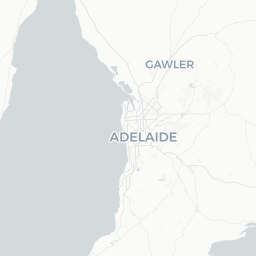
The Adelaide Hills is a region of low ranges and valleys rising immediately east of Adelaide, centred on communities such as Stirling, Hahndorf, Birdwood, Lobethal, and Mount Barker. Sitting roughly 15–30 km from the Adelaide CBD, it occupies part of the Mount Lofty Ranges and sits noticeably cooler and wetter than the surrounding plains for most of the year.
The area is best understood as a patchwork of things: working farms and orchards, a well-regarded wine subregion, historic towns settled largely by German Lutheran immigrants in the 1840s, and a network of parks, reserves, and walking trails. It is neither a single town nor a resort district but a loose collection of communities that share a landscape and a culinary identity.
Visitors tend to come for the food and wine trail, for drives through forests of eucalypt and pine, or simply to escape Adelaide's summer heat. The region rewards slow travel — a market on a Saturday morning, a cellar door in the afternoon, a walk before sunset — more than it rewards a checklist approach.
Before You Go
Visas
Australia requires a visa or electronic travel authority for almost all international visitors. For specific requirements that apply to your passport, check the TravelerPulse Visas section and the Australian Department of Home Affairs website.
When to go
- Spring (Sep–Nov): Wildflowers, comfortable walking temperatures, and fewer crowds than summer.
- Autumn (Mar–May): Harvest season brings grape and apple picking activity; cooler, golden-light days.
- Summer (Dec–Feb): Can be hot, occasionally extreme. Bushfire risk increases; check alerts before visiting parks.
- Winter (Jun–Aug): Cold, sometimes frosty. Some attractions have reduced hours; scenery is lush and green after rain.
What to pack
Temperatures can drop sharply after dark even in summer, so carry a layer regardless of season. Sturdy walking shoes are useful for trails. If you plan to drive, an international driving permit may be required depending on your licence — verify before travel.
Getting There
From Adelaide
The Adelaide Hills is most commonly reached by car from central Adelaide, with the South Eastern Freeway and Mount Barker Road being the main arteries. Journey times to Stirling or Hahndorf typically range from 25 to 45 minutes depending on traffic and destination.
Adelaide Metro buses serve parts of the region, including a route to Hahndorf. Check the Adelaide Metro website or app for current timetables and whether your specific destination is covered, as services can be infrequent in outlying areas.
Arriving by air
Adelaide Airport is the closest major airport. Rental cars are available at the airport and are the most practical option for exploring the Hills at your own pace. Ride-share and taxi services also operate from the airport into the Hills, though costs for longer distances can be significant — verify current pricing with providers.
Getting Around
A private vehicle is by far the most practical way to move around the Adelaide Hills. Public transport connectivity between villages is limited, and many wineries, farms, and walking trail heads are not served by buses.
If you plan to visit multiple cellar doors, consider designating a non-drinking driver or booking a local tour operator who provides transport — several operate wine and food tours from Adelaide and within the Hills. Verify current operators and pricing locally or through the South Australian Visitor Information network.
Cycling is possible on quieter roads and some dedicated paths, but the terrain is hilly and gradients can be steep. E-bike hire is available through some local operators — check availability on arrival or in advance through local tourism offices.
Things to See & Do
Wine and cellar doors
The Adelaide Hills wine subregion is known especially for Sauvignon Blanc, Chardonnay, Pinot Noir, and sparkling wines. Many producers have cellar doors open to visitors, typically on weekends; hours vary and bookings are recommended for smaller producers. Verify opening days and any tasting fees directly with individual wineries before visiting.
Hahndorf
Founded in 1839 by German Lutheran settlers, Hahndorf is Australia's oldest surviving German settlement and is listed on the State Heritage Register. The main street has a concentration of galleries, craft shops, and German-style food businesses. It can be busy on weekends. The Hahndorf Academy houses a collection of works by Hans Heysen, the Australian landscape painter who lived and worked in the Hills for decades — confirm current opening hours before visiting.
Walking and national parks
- Cleland National Park: Bush walks, a wildlife park where you can see Australian animals in semi-wild settings, and access to Mount Lofty Summit (710 m). Verify opening hours and any entry or parking fees on the SA National Parks website.
- Morialta Conservation Park: Popular for gorge walks and waterfalls, particularly after rain.
- Belair National Park: One of Australia's oldest national parks; walking, cycling, and picnic areas.
Other activities
- The Birdwood National Motor Museum has a significant collection of historic vehicles; verify hours and admission fees before visiting.
- Cherry and apple picking at orchards around Lenswood and Piccadilly Valley is available seasonally — typically late November through February for cherries. Confirm with individual orchards each season.
- The Lobethal Lights — a Christmas lights display in Lobethal — is a long-running local tradition (December).
Food & Drink
The Adelaide Hills has a strong reputation for artisan food production. Local specialities to look for include cold-smoked meats and smallgoods (particularly in Hahndorf), soft-ripened cheeses, cider (the region has several cideries), craft beer, and seasonal stone fruit and berries.
Farmers' markets and produce markets run regularly in the region. The Stirling Farmers Market and the Verdun market are well-regarded community fixtures — verify current schedules locally as days and times can change.
Restaurants and cafes are concentrated in Stirling, Hahndorf, and Mount Barker. The range runs from casual bakery fare to more considered dining at some winery restaurants. Because the region is relatively small and popular on weekends, booking ahead for dinner at well-regarded restaurants is sensible, particularly in spring and autumn.
Practical Information
Emergency contacts
Australia's national emergency number is 000 (police, fire, ambulance). The non-emergency police line is 131 444.
Bushfire safety
The Adelaide Hills has experienced severe bushfires historically, including significant events in 2019–2020. During periods of high fire danger (typically November–April), check the South Australian Country Fire Service (CFS) website and the Fires Near Me SA app before entering bushland. Observe any road or park closures.
Mobile coverage
Coverage from major Australian carriers is generally good in main townships but can be patchy on back roads and in forested valleys. Download offline maps before heading into less-visited areas.
Medical
General practitioners and pharmacies operate in Stirling and Mount Barker. For serious emergencies, the nearest major hospital facilities are in Adelaide. Confirm locations and hours locally.
Safety
The Adelaide Hills is a low-crime region by Australian standards and is considered safe for visitors. Standard urban precautions — securing valuables in parked vehicles and being aware of surroundings — apply as anywhere.
The primary environmental risks are bushfire (see Practical section) and, on some trails, encounters with snakes during warmer months. Brown snakes and tiger snakes are present in the region. Stay on marked paths, wear closed shoes in bushland, and do not attempt to handle or approach any snake. If bitten, call 000 immediately and keep the victim still.
Driving mountain roads at night or in low-visibility conditions requires care. Some roads are narrow and winding, and wildlife — kangaroos, wallabies, wombats, and foxes — can appear suddenly on roads after dark.