Overview
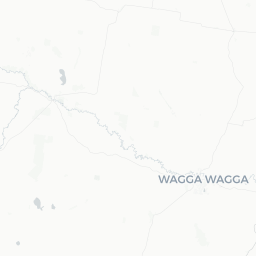
Wagga Wagga — locally known simply as 'Wagga' — is the largest inland city in New South Wales, sitting on the banks of the Murrumbidgee River roughly midway between Sydney and Melbourne. Despite its regional scale, it punches well above its weight in culture, cuisine, and green space, making it a worthwhile stop on any inland east-coast itinerary rather than just a transit point.
The city has a strong university presence through Charles Sturt University, which gives it a lively, younger demographic and a calendar of events that keeps the city engaged year-round. The Riverina region around it is prime agricultural country — wheat, canola, and a growing wine industry centred on the Gundagai and Tumbarumba subregions are all within reach.
Wagga Wagga has a compact, walkable city centre complemented by riverside trails, public gardens, and a regional gallery that holds a nationally significant collection of Australian ceramics. It is an honest, working regional city that rewards curious travellers who appreciate the everyday texture of Australian country life alongside genuine cultural institutions.
Before You Go
Visas
Australia requires a visa or approved travel authority for almost all foreign nationals. Requirements vary significantly by passport. Check TravelerPulse's Visas section for guidance, and always verify your specific situation with the Australian Department of Home Affairs (homeaffairs.gov.au) before travel.
Health
No vaccinations are specifically required for travel to Wagga Wagga. Standard travel health precautions apply. Tap water is safe to drink. In summer, UV radiation across inland NSW is extreme — high-SPF sunscreen, a hat, and hydration are essential. The Murrumbidgee can be prone to flooding; check local conditions if visiting after significant rainfall.
What to pack
- Layers are advisable in autumn and winter, when overnight temperatures can drop noticeably.
- Sun protection is critical from October through March.
- Comfortable walking shoes suit the riverfront trails and the city centre equally well.
- If you plan to visit surrounding wineries or national parks, a vehicle is necessary.
Getting There
By Air
Wagga Wagga Airport (WGA) receives regular flights from Sydney and Melbourne. Verify current carriers and schedules directly with the airport or booking platforms, as regional routes change. The airport is located close to the city centre and taxis and rideshare services are typically available on arrival.
By Train
NSW TrainLink operates XPT intercity rail services connecting Wagga Wagga to Sydney and Melbourne. The journey from Sydney takes roughly five to six hours; from Melbourne it is longer. Timetables and booking are available via transportnsw.info — verify current schedules before travel.
By Road
Wagga Wagga sits on the Sturt Highway and is approximately 460 km southwest of Sydney and 480 km northeast of Melbourne via the Hume Highway (turning off at Holbrook or Tarcutta). Self-driving gives the most flexibility for exploring the wider Riverina region. Long-distance coach services also connect the city to major centres — confirm current operators locally.
Getting Around
The city centre and immediate riverfront are compact enough to explore on foot. A network of cycling and walking paths runs along the Murrumbidgee River and connects several parks.
For destinations beyond the centre — including the Botanic Gardens, Lake Albert, or the airport — a car, taxi, or rideshare service is the most practical option. Check locally for current rideshare availability, as coverage in regional cities can be variable. Car hire is available at the airport; verify providers at the time of travel.
Public bus services operate within the city. Routes and timetables are managed by local operators — confirm current services through Transport for NSW (transportnsw.info) or at the visitor information centre.
Things to See & Do
Wagga Wagga Art Gallery
The regional gallery houses the National Art Glass Collection — one of Australia's most significant public collections of contemporary art glass — alongside a broad collection of Australian paintings, works on paper, and ceramics. Entry conditions and hours should be verified on the gallery's official website before visiting.
Museum of the Riverina
Spread across two sites (the Botanic Gardens and the historic Civic Centre), the museum covers the social and natural history of the Riverina region. Exhibits range from agricultural heritage to local Indigenous history. Verify opening hours locally.
Wagga Wagga Botanic Gardens and Zoo
One of the oldest botanic gardens in regional NSW, this free public space includes a small free zoo — unusual for a regional city. It is a genuine local amenity and a pleasant way to spend a morning. Confirm current conditions with the City of Wagga Wagga council.
Murrumbidgee Riverfront and Wiradjuri Walking Track
The riverfront parklands are a genuine civic asset. The Wiradjuri Walking Track is a longer trail (verify current distance and conditions locally) that links parks, wetlands, and cultural sites along the river, offering insight into the country of the Wiradjuri people.
Lake Albert
A short drive from the city centre, Lake Albert is popular for walking, birdwatching, and picnicking. The lake attracts a variety of waterbirds and is a pleasant low-key outing.
Events
Wagga Wagga hosts a number of annual events including the Wagga Wagga Jazz Festival and the Fusion Festival (multicultural food and arts). Confirm current event dates with the local visitor centre, as programming changes year to year.
Food & Drink
Wagga Wagga has a dining scene that reflects both its regional character and its university-town energy. The city centre has a good spread of cafes, casual restaurants, and pubs, with quality generally honest and focused on local produce.
Regional Produce and Wine
The Riverina is an important agricultural region, and local menus often feature lamb, beef, and seasonal vegetables. The broader region has a significant wine industry — Riverina wines (particularly whites and botrytis styles) are well-established, and cooler-climate varieties from the Tumbarumba and Hilltops subregions are increasingly available locally. Several cellar doors are within driving distance; verify opening days before visiting.
Dining Precincts
FitzMaurice Street and Baylis Street in the CBD form the main dining and cafe strip. Options range from independent coffee roasters and bakeries to mid-range restaurants and pub meals. A Sunday farmers' market (verify current schedule and location locally) is a good source of regional produce.
Prices are generally more moderate than in Sydney or Melbourne, though always verify current menus and pricing at individual venues.
Practical Information
Emergency Services
In Australia, dial 000 for police, fire, or ambulance in any emergency. This number works from any phone.
Medical
Wagga Wagga Base Hospital provides public hospital services. GP clinics and pharmacies are available in the city centre. Travel insurance that covers medical expenses is strongly recommended for all visitors.
Connectivity
Mobile coverage from major Australian carriers (Telstra, Optus, Vodafone) is generally reliable in the city centre. Telstra tends to have the broadest coverage in rural areas surrounding the city. Free public Wi-Fi is available in some public areas — verify locally.
Money
ATMs are available throughout the CBD. Card payment is widely accepted. Carrying some cash is useful for markets and some smaller regional venues.
Visitor Information
The Wagga Wagga Visitor Information Centre can provide up-to-date local advice on events, transport, and accommodation. Its location should be verified on the City of Wagga Wagga's official website (wagga.nsw.gov.au).
Safety
Wagga Wagga is a generally safe regional city. Standard urban precautions apply — be aware of your surroundings at night, particularly around late-night entertainment areas.
Outdoor hazards are more significant than urban crime for most visitors. The summer sun is intense; heat exhaustion is a real risk during January and February when temperatures frequently exceed 35°C and can reach above 40°C. Stay hydrated and limit midday outdoor exposure during heatwaves.
The Murrumbidgee River is subject to flooding after heavy rainfall. Check the Bureau of Meteorology (bom.gov.au) for flood warnings if visiting during or after significant rain events. Swimming in the river is popular locally but currents can be deceptive — exercise caution and swim only in designated areas.
Local Culture & Etiquette
Wagga Wagga sits on the traditional country of the Wiradjuri people, one of the largest Aboriginal nations in Australia. The name 'Wagga Wagga' is itself derived from Wiradjuri language, broadly understood to mean 'place of many crows.' Visitors should be aware of this connection — the Museum of the Riverina and the Wiradjuri Walking Track both offer introductory context on local Indigenous history and culture.
The city has the easy informality characteristic of regional Australian towns. Locals are generally friendly and direct. Dress codes are relaxed except in a small number of upmarket venues. Tipping is not customary in Australia but is appreciated for exceptional service in restaurants.
The university population contributes to a cultural openness that makes Wagga Wagga feel slightly more cosmopolitan than its size might suggest, with multicultural food options and an active arts community reflecting this diversity.