Overview
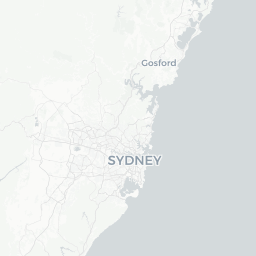
The Central Coast is a local government area and regional city situated on the NSW coast roughly midway between Sydney and Newcastle, about 80 km north of the Sydney CBD. With a population of around 340,000, it is one of Australia's larger regional urban centres, yet it retains a distinctly relaxed, beach-town character that sets it apart from the capital.
The region spans a varied landscape: ocean-facing surf beaches on its eastern edge, large tidal lakes and estuaries including Lake Macquarie's southern reaches and the Tuggerah Lakes system, forested ridgelines of the Central Coast escarpment inland, and urban hubs centred on Gosford and Wyong. This geographic variety means outdoor activities — surfing, kayaking, bushwalking, cycling — are core to daily life here.
Visitors come for weekend breaks from Sydney, family beach holidays, and increasingly for food and wine experiences as the region's hospitality scene has matured. It is neither a major international tourism destination nor a hidden secret — it sits comfortably in between, offering genuine local life alongside solid visitor infrastructure.
Before You Go
Visas
Australia requires a visa or electronic travel authority for almost all foreign nationals. Requirements vary significantly by passport. Check TravelerPulse's Visas section for general guidance, and verify your specific requirements through the Australian Department of Home Affairs (homeaffairs.gov.au) well before travel.
Health
No mandatory vaccinations are required to enter Australia, though standard travel health precautions are always advisable. Tap water is safe to drink throughout the Central Coast. Sun protection is essential year-round — UV intensity in NSW is high, and skin burns quickly even on overcast days. Pack SPF 50+ sunscreen, a hat, and UV-protective clothing.
What to Pack
- Lightweight, breathable clothing for summer (December–February); a fleece or light jacket for winter evenings (June–August)
- Reef-safe sunscreen and a reusable water bottle
- Comfortable walking shoes if you plan to explore national parks
- Swimmers and a rashguard for beach and lake activities
Connectivity
Mobile coverage from Telstra, Optus, and Vodafone is generally reliable in urban areas and along the main coastal strip, though it can be patchy in dense bushland sections of the national parks. Free public Wi-Fi is available at some libraries and council facilities — verify locally.
Getting There
By Train
The most straightforward public transport option from Sydney is the NSW TrainLink Central Coast & Newcastle Line, which calls at Gosford and Wyong stations. Journey time from Sydney Central station to Gosford is roughly one hour. Services run frequently throughout the day. Check Transport for NSW (transportfornsw.info) for current timetables and fares.
By Car
The Pacific Motorway (M1) connects Sydney's northern suburbs to the Central Coast, with Gosford typically reached in 60–90 minutes depending on traffic and the entry point used. Traffic can be heavy on Friday afternoons and Sunday evenings during school holiday periods. Fuel is readily available throughout the region.
By Bus
Coach services operate between Sydney and the Central Coast; verify current operators and schedules directly, as services and routes change. Local buses within the region are operated under the Transport for NSW network.
By Air
There is no commercial passenger airport on the Central Coast itself. The nearest major airports are Sydney Kingsford Smith (approximately 90 km south) and Newcastle Airport at Williamtown (approximately 80 km north). Both are viable entry points depending on your origin.
Getting Around
The Central Coast is a spread-out region and a private vehicle offers the most flexibility, particularly for reaching beaches, national parks, and lake foreshore areas that are not well served by public transport.
Local buses operate across the region under the Transport for NSW Opal card system. The same Opal card used in Sydney works here. Services connect major centres such as Gosford, Wyong, Terrigal, The Entrance, and Tuggerah, but frequency can be limited outside peak hours. Check the Transport for NSW journey planner before relying on buses for specific trips.
Taxis and rideshare services (Uber operates in the area) are available, particularly around Gosford. For exploring the national parks or more remote beaches, a car is essentially necessary. Bicycle paths exist in parts of the region, particularly along some lake foreshores and in Gosford; conditions vary, so check with local council resources.
Where to Stay
Accommodation ranges from holiday parks and caravan sites — a traditional staple for Australian family visitors — through to serviced apartments, motels, and a smaller number of boutique hotels and B&Bs. Terrigal has the highest concentration of visitor-focused accommodation. Gosford has more motel-style and business-oriented options given its role as the regional centre.
Holiday park accommodation (cabins and powered sites) is abundant near the lakeshores and beaches and is popular with families. Book well ahead for school holiday periods (January, April, July, and late September/October), when the region receives significant domestic visitor numbers.
Vacation rental platforms list a large volume of houses and apartments across the region, which can be cost-effective for groups or longer stays. Verify listings, cancellation policies, and any council regulations around short-term rentals before booking.
Things to See & Do
Beaches
The Central Coast has more than 40 beaches. Terrigal is the most developed, with a patrolled surf beach, a sheltered lagoon (known locally as The Haven), restaurants, and cafés within easy walking distance. Avoca Beach is popular with locals and generally less crowded. Surf conditions vary — check Surf Life Saving NSW's beach safety information and always swim between the flags at patrolled beaches.
The Entrance and Tuggerah Lakes
The Entrance is a coastal town at the mouth of Tuggerah Lake, part of the largest coastal lagoon on the NSW coast. The area is popular for kayaking, stand-up paddleboarding, and family-friendly foreshore walks. A long-standing pelican feeding display takes place daily on the town's foreshore — verify current times locally as schedules can change.
National Parks and Bushwalking
Bouddi National Park, on the southern end of the Central Coast, protects a coastal headland with walking tracks connecting beaches and offering ocean views. Brisbane Water National Park, west of Gosford, contains Aboriginal rock engravings at Bulgandry — one of the more accessible and significant rock art sites in NSW, managed by the National Parks and Wildlife Service. Dharug National Park lies further inland.
Gosford
Gosford is the administrative centre of the region. The Australian Reptile Park, located just north of Gosford near Somersby, is a popular family attraction that also contributes to wildlife conservation and antivenom production programs — check their official site for current hours and admission fees. The Gosford waterfront on Brisbane Water has been subject to ongoing redevelopment; conditions may have changed, so verify locally.
Wineries and Hinterland
The Mangrove Mountain and Yarramalong valley areas contain a modest but genuine cluster of small-scale wineries and farm-gate producers. This is not a major wine region, but day-trip itineraries combining driving through forested hinterland with tastings are popular with visitors.
Food & Drink
The Central Coast's dining scene is strongest in Terrigal and in parts of Gosford, with a reasonable spread of cafés, seafood restaurants, and casual dining across the coastal strip. The quality and variety have grown noticeably over the past decade, though this remains a regional rather than destination food scene.
Fresh seafood is a highlight — local fish-and-chip shops are a staple, and several sit-down restaurants source locally caught fish and prawns. The Entrance and The Haven at Terrigal are reliable spots to find waterfront dining options.
Café culture is well established, with independent coffee roasters represented alongside chain outlets. For grocery shopping and self-catering, there are full supermarket options in Gosford, Tuggerah, Wyong, and most large suburban centres. A farmers market scene exists in the region — verify current locations, days, and times locally, as these change seasonally.
Practical Information
Emergency Services
In Australia, dial 000 for police, fire, or ambulance in any emergency. This number works from all phones including mobiles with no credit.
Medical
Gosford Hospital is the main public hospital serving the region. Several private medical centres and urgent care clinics operate across the area. Verify locations and current hours through NSW Health or locally on arrival.
Money
ATMs are widely available in shopping centres and town centres. Card payment (including contactless) is accepted almost universally, including at most markets and small businesses. Cash is useful for some smaller stalls or rural farm-gate sales.
Shopping Hours
General retail hours in Australia are typically Monday to Saturday with some Sunday trading, and extended hours at larger shopping centres. Public holidays can affect hours significantly — verify locally for specific dates.
Useful Resources
- Transport for NSW: transportfornsw.info
- National Parks and Wildlife Service (NSW): nationalparks.nsw.gov.au
- Central Coast Council: centralcoast.nsw.gov.au
Safety
The Central Coast is a generally safe region for visitors. Standard urban precautions — securing valuables, being aware of your surroundings at night, not leaving items visible in parked cars — apply as they would anywhere.
Ocean Safety
Rip currents are the most significant hazard for beach visitors. Always swim at patrolled beaches between the red-and-yellow flags. If caught in a rip, float calmly and signal for help rather than swimming directly against the current. Check the Surf Life Saving Australia website for beach patrol information.
Sun and Heat
Heat-related illness is a genuine risk, particularly from December to February when temperatures can exceed 35°C. Stay hydrated, seek shade during the hottest part of the day (roughly 10am–3pm), and apply sunscreen frequently.
Bushfire Awareness
The region's national parks and hinterland carry bushfire risk during dry, hot periods, typically spring and summer. Check the NSW Rural Fire Service (rfs.nsw.gov.au) for fire danger ratings and any total fire bans before lighting fires or using gas stoves in park areas. Follow all signage and closures.