Overview
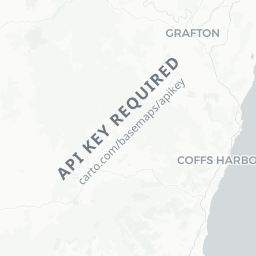
Byron Bay sits at the far north-eastern tip of New South Wales, roughly 800 km north of Sydney and 170 km south of Brisbane. Despite a permanent population of around 6,000, the town swells considerably during school holidays and summer, drawing visitors from across Australia and internationally.
The geography shapes everything here: a curved bay flanked by headlands, the most easterly point of the Australian mainland at Cape Byron, and hinterland ranges visible on clear days. The town centre is compact and walkable, with the beach just a few minutes on foot from the main shopping street.
Byron Bay has shifted over the decades from a quiet fishing and meatworks town to one of Australia's best-known coastal destinations. That evolution has brought a lively food scene, yoga studios, music venues, and boutique accommodation, alongside the surfing culture that put it on the map. It remains a genuinely small town, though, and that scale is part of its appeal.
Before You Go
Visas
Australia requires most international visitors to hold a valid visa or travel authority before boarding. For guidance on what applies to your passport, visit TravelerPulse's Visas section and the official Australian Department of Home Affairs website.
Climate
Byron Bay has a subtropical climate. Summers (December–February) are warm and humid with occasional heavy rainfall; winters (June–August) are dry and mild, rarely cold. The hinterland can be cooler. Cyclone-related weather events are uncommon this far south but not impossible in summer.
What to pack
- Reef-safe sunscreen (the UV index is high year-round)
- Lightweight, breathable clothing; a light layer for winter evenings
- Reef shoes if you plan to snorkel around the headlands
- Insect repellent, particularly if visiting the hinterland
Health
No vaccinations are specifically required for the Byron Bay region. Standard travel health precautions apply. Tap water is safe to drink.
Getting There
By Air
The nearest commercial airport is Ballina Byron Gateway Airport (BNK), approximately 30 km south of Byron Bay. It receives domestic flights from Sydney, Melbourne, and other Australian cities. Gold Coast Airport (OOL) in Queensland, roughly 100 km north, handles a broader range of domestic and some international routes and is a common arrival point. Brisbane Airport (BNE) is around 170 km north and offers the widest flight options.
Verify current airline schedules and fares directly with carriers or through a flight aggregator before booking.
By Train
NSW TrainLink operates coach and rail connections from Sydney to the Northern Rivers region. The journey is long (typically overnight or a full day). Check current timetables and booking on the NSW TrainLink website.
By Bus
Long-distance coach services connect Byron Bay with Sydney, Brisbane, and Gold Coast. Verify current operators and schedules locally or online.
By Car
Byron Bay is accessible via the Pacific Motorway (M1) from Sydney (approximately 8–9 hours) or Brisbane (approximately 2–2.5 hours). Driving gives flexibility to explore the hinterland and surrounding towns.
Getting Around
The town centre is small enough to cover on foot. Main Beach, the lighthouse walk, and the central cafes and shops are all within reasonable walking distance for most visitors.
Cycling is a practical option; the flat terrain around town and a shared path network make it workable. Bike hire is available from several local operators — verify current providers on arrival.
Ride-share and taxis operate in Byron Bay, though availability can be limited late at night during peak periods. Confirm locally.
Local buses connect Byron Bay with Ballina, Lismore, and some hinterland towns. Check the Transport NSW journey planner for current routes and times.
Parking in the town centre can be tight during summer and public holidays. If you have a hire car, arriving early in the morning or walking/cycling from accommodation outside the centre is often easier.
Where to Stay
Accommodation in Byron Bay ranges from backpacker hostels to high-end beach houses and luxury eco-retreats. The town centre and areas close to Main Beach have the highest concentration of options. Hinterland properties offer a quieter alternative with easy day-trip access to town.
Demand is high during Australian school holidays (particularly December–January and Easter), long weekends, and Bluesfest. Book well in advance for those periods. Prices during peak times are significantly higher than the shoulder season.
Self-contained holiday rentals are common and practical for groups or families. A range of national and local booking platforms list current availability. Verify directly with properties on inclusions and cancellation terms.
Things to See & Do
Cape Byron Lighthouse and Headland Walk
The Cape Byron Lighthouse is the most powerful lighthouse in Australia and marks the continent's most easterly point. The headland walking track (approximately 3.7 km loop) passes through coastal heath, offers cliff-top views, and is one of the better spots on the east coast to observe humpback whale migrations (typically June–November) and common dolphins year-round. Entry to the grounds is generally free; verify any fees for the lighthouse itself on the official site.
Surfing
Byron Bay has breaks suited to a range of abilities. The Pass, at the northern end of the bay, is one of Australia's most famous long right-handers. Wategos and Tallows beaches offer different conditions. The town has several surf schools for beginners — verify current operators locally.
Snorkelling and Diving
The Julian Rocks Aquatic Reserve, a few kilometres offshore, is a recognised dive site where cold southerly and warm northerly currents meet, supporting diverse marine life including grey nurse sharks (seasonally), turtles, and rays. Dive and snorkel tours depart from the town; verify operators and conditions locally.
Hinterland Day Trips
The ranges behind Byron Bay — including Nimbin and the Nightcap National Park area — offer rainforest walks, waterfalls, and a markedly different landscape. These are best done by car.
Markets
Byron Bay has a well-established market culture. The Byron Farmers Market and the Byron Bay Community Market are recurring fixtures; verify current dates and locations locally as schedules change.
Music and Arts
Byron Bay hosts Bluesfest, one of Australia's major music festivals, typically held over Easter long weekend. Check the official Bluesfest site for dates and lineups. Smaller live music venues operate year-round.
Food & Drink
The food scene in Byron Bay is notably strong for a town of its size, with a concentration of cafes, casual restaurants, and a few more considered dining options along Jonson Street and the surrounding blocks.
Breakfast and brunch culture is prominent; many visitors find that the café scene alone justifies time here. Expect strong coffee, locally sourced produce, and menus that reflect the town's health-conscious reputation without being exclusively so.
Seafood is well represented given the coastal location. Local produce from the Northern Rivers hinterland — macadamias, tropical fruits, dairy — appears across menus. The dining scene skews casual; smart-casual dress is generally the upper end of what is expected anywhere.
For a broader selection of cuisines and late-night options, the town centre delivers more than the population figure suggests, though choice does not match a major city. Verify current restaurant hours locally, as they can vary by season.
Practical Information
Emergency Services
In any emergency in Australia, call 000 (police, fire, ambulance). This is the universal emergency number.
Medical
Byron Bay has a hospital (Byron Central Hospital) and medical centres. Verify current hours and services locally. Travel insurance with medical cover is strongly recommended for international visitors.
Money
ATMs are available in the town centre. Card payments are widely accepted. Some smaller markets and independent stalls may be cash-preferred — it is worth carrying a small amount.
Connectivity
Mobile coverage (4G/5G) from major Australian carriers is generally reliable in the town and on the main beaches. Coverage in the hinterland can be patchy.
Responsible Travel
Byron Bay's popularity has created pressure on infrastructure and the natural environment. Stick to marked tracks on the headland, follow beach safety flags set by surf lifesavers, and dispose of waste responsibly. The marine park around Julian Rocks is a protected area — follow guide instructions when diving or snorkelling.
Safety
Byron Bay is generally a safe destination. Standard urban precautions apply: watch your belongings in crowded areas, particularly during busy festival periods.
Ocean safety is the most significant practical concern. Surf can be powerful and conditions change quickly. Always swim between the red-and-yellow flags where surf lifesavers patrol. Check flag status and conditions before entering the water. Rip currents are present at many beaches; if caught in one, do not swim against it — float, signal for help, and swim parallel to shore before heading in.
Surf Life Saving Australia patrols Main Beach and some other beaches; verify patrol hours seasonally as they vary. Outside patrol hours, swimming is at your own risk.
Marine stingers (bluebottles/Portuguese man-of-war) wash up periodically, particularly in summer and after onshore winds. Lifeguards and local signage will advise. Rinse with seawater (not fresh water) if stung and seek advice from patrol lifesavers.