Overview
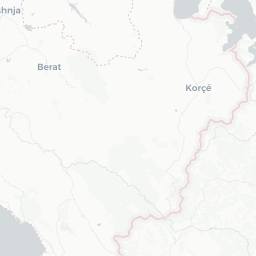
Gjirokastër sits in a steep valley carved by the Drino River in southern Albania, about 230 km south of Tirana near the Greek border. Its dramatically tiered old town — a UNESCO World Heritage Site since 2005 — clings to a ridge below a massive Byzantine-era castle, and is defined by the grey limestone 'kule' (tower houses) that give the city its popular nickname, the 'City of Stone.'
With a population of roughly 23,000, Gjirokastër is the administrative capital of its county and one of Albania's most important heritage cities. It is also the birthplace of two of Albania's most internationally recognized figures: novelist Ismail Kadare and communist-era dictator Enver Hoxha. Both facts are woven into the city's complex identity and are referenced openly in local museums and conversation.
Beyond the monuments, Gjirokastër functions as a real working town — students, government workers, and local traders share the bazaar lanes with visitors. This gives it an authenticity that purely tourist-oriented historic towns can lack. The surrounding county offers mountain villages, the Gjirokastra National Park hinterland, and easy access to the archaeological site of Butrint.
Before You Go
Visas
Albania has relatively open entry policies for many nationalities, but requirements vary. Do not rely on general information: check TravelerPulse's Visas section and consult the Albanian Ministry of Foreign Affairs or your nearest Albanian embassy well before travel.
Health
No vaccinations are specifically mandated for Albania, but routine immunisations should be up to date. Medical facilities in Gjirokastër are limited compared to Tirana; for serious conditions, evacuation to a larger centre may be necessary. Travel health insurance with medical evacuation cover is strongly recommended.
Money
ATMs are available in the city centre but are not as plentiful as in Tirana — carry sufficient cash, especially if you plan to visit surrounding villages. Many guesthouses and smaller restaurants operate cash-only. Currency exchange offices exist in the bazaar area; verify rates before exchanging.
Connectivity
Albanian SIM cards (from operators such as ALBtelecom, ONE, and Vodafone Albania) offer good coverage in the city and are available at outlets in Tirana and larger towns. Check coverage maps for the rural areas you plan to visit.
Getting There
By Air
Gjirokastër has no commercial airport. The nearest option for most travellers is Tirana International Airport Nënë Tereza (TIA), approximately 230 km to the north. Corfu Airport (CFU) in Greece and Ioannina Airport (IOA) in northwestern Greece are closer as the crow flies but require border crossings; verify current schedules and ground transport options before planning around them.
By Bus and Furgon
Regular bus and shared minibus (furgon) services connect Gjirokastër with Tirana, Saranda, and several other Albanian cities. Journey times vary significantly with road and traffic conditions — the Tirana route typically takes 4–5 hours but can be longer. Schedules and fares change seasonally; verify current departures locally or through your accommodation before travel.
By Car
Driving is a practical option for travellers coming from Tirana or from Greece via the Kakavia border crossing, which is roughly 25 km south of the city. The SH4 national road links Gjirokastër to the main north–south corridor. Roads in the region are generally passable but can be narrow and winding in mountain sections; drive with care, particularly after dark or in wet weather.
Getting Around
Gjirokastër's UNESCO-listed old town is compact and best explored on foot, but the terrain is steep and the cobblestone lanes are uneven — appropriate footwear is essential. Moving between the lower modern town and the upper old town involves a significant climb; some visitors use taxis for the uphill leg.
Local taxis are available and relatively inexpensive by European standards; agree on a fare before setting off, as meters are not always used. There is no formal inner-city bus network oriented toward tourist routes. For day trips to villages, Butrint, or other nearby sites, hiring a taxi for the day or renting a car in Tirana provides the most flexibility.
The castle is accessible by a road that taxis can use, which is helpful if mobility is a concern, though parts of the site itself involve uneven ground and steps.
Where to Stay
Gjirokastër has a growing but still modest accommodation offer. The most characterful options are guesthouses housed within restored kule (tower houses) in the old town — staying in one of these gives direct access to the atmosphere of the UNESCO zone and often includes breakfast and home-cooked meals. Standards vary, so read recent reviews on established booking platforms before committing.
More conventional hotel-style accommodation exists in the lower modern part of the city, generally at lower price points but with less historical character. Booking ahead is advisable in peak months (July–August) and around the Folk Festival if it falls during your visit. Outside high season, walk-in availability is usually not a problem, but confirming in advance is still sensible.
For the surrounding villages and countryside, small agritourism guesthouses exist but infrastructure is limited — verify access, facilities, and bookings carefully before choosing a rural base.
Things to See & Do
Gjirokastër Castle (Kalaja)
The castle dominates the city skyline and is the single most visited site. It houses a weapons and armaments museum and the remains of a captured US Air Force plane from the Cold War era, which has become an unofficial landmark in its own right. Restoration work has been ongoing in sections; verify access conditions locally before visiting.
The Old Bazaar (Pazari i Vjetër)
The restored Ottoman-era bazaar is the social and commercial heart of the old town. Stone-arched shops sell local crafts, food products, and everyday goods alongside souvenir stalls. It is a pleasant area to walk through at any time of day.
Skenduli House and Zekate House
Several of Gjirokastër's historic kule (tower houses) are open to the public. The Skenduli House and the Zekate House are among the most visited, offering insight into Ottoman-era domestic architecture and lifestyle. Opening hours and admission arrangements can change; confirm before visiting.
Ethnographic Museum
Housed in a large tower house reputedly on the site where Enver Hoxha was born, this museum covers traditional southern Albanian domestic life, costumes, crafts, and social customs. It is one of the more informative introductions to the region's culture.
National Folk Festival
Gjirokastër hosts a major National Folk Festival (Festivali Folklorik Kombëtar) that showcases Albanian traditional music, dance, and costume from across the country. It is held periodically rather than annually — verify the schedule well in advance if this is a draw for your visit.
Day Trips
The city serves as a practical base for visiting the Butrint National Park and archaeological site (a separate UNESCO World Heritage Site near Saranda), the Blue Eye (Syri i Kaltër) natural spring, and traditional villages in the surrounding mountains.
Food & Drink
Southern Albanian cuisine in Gjirokastër emphasises slow-cooked meat dishes, dairy products (particularly local cheeses and yoghurt), and fresh vegetables. Tavë kosi (baked lamb with yoghurt) and qifqi (rice and herb fritters, considered a local specialty) appear regularly on menus in the old town. Local bread, olives, and wild greens feature widely.
Restaurants and cafés are concentrated in and around the old bazaar and along the main streets of the old town. Many guesthouses also serve meals, sometimes with advance notice required — a good option for experiencing home-style cooking. Raki (grape or mulberry brandy) is the traditional local spirit and is frequently offered as a hospitality gesture.
Coffee culture is strong, as it is throughout Albania — Italian-style espresso is the default and is generally good quality. The city has a relaxed café scene where locals spend considerable time; sitting at a café is a reasonable way to observe daily life without intruding.
Practical Information
Emergency Numbers
Verify current emergency numbers locally upon arrival. Albania's general emergency number has historically been 112 (European standard), but confirm this is active and applicable before relying on it.
Electricity
Albania uses 230V/50Hz with Type C and Type F sockets, standard for continental Europe.
Opening Hours
Museum and site opening hours in Gjirokastër can change seasonally and with little notice. The castle and major houses sometimes have reduced hours or closures for restoration work. Verify with your guesthouse or locally on arrival.
Language
Albanian (Shqip) is the language of daily life. Some guesthouse owners and younger residents in the tourism sector speak English. Greek is understood near the border and among some community members. Learning a few basic Albanian phrases (faleminderit — thank you; mirëdita — good day) is appreciated.
Photography
The old town, castle, and bazaar are visually rich. Ask permission before photographing people, particularly in non-tourist contexts. Some museum interiors have photography restrictions — look for posted signs or ask staff.
Safety
Gjirokastër is generally considered a safe destination for travellers. Petty crime occurs as in any tourist area, so standard precautions apply: keep valuables secured and be aware of your surroundings in crowded bazaar areas.
The cobblestone streets of the old town are steep and can be slippery when wet — this is a genuine physical hazard, particularly for visitors with mobility difficulties or those wearing unsuitable footwear. Take care after rain.
Driving in the region requires attentiveness; mountain roads can be narrow and poorly marked. If driving at night, reduce speed and be alert for livestock and pedestrians on rural roads. Check your government's current travel advisory for Albania before departure, as conditions can evolve.
Local Culture & Etiquette
Gjirokastër sits in a part of Albania with a historically mixed population including Albanian Muslims, Orthodox Christians, and a Greek-speaking minority community in some surrounding villages. The city itself has a predominantly Albanian character today. Religious practice varies widely across individuals; avoid assumptions.
The concept of besa — a code of honour, hospitality, and keeping one's word — is part of the broader Albanian cultural framework and influences how hospitality is offered and received. Accepting tea or coffee when offered is generally a social courtesy. Declining food or drink repeatedly can seem rude in some contexts; a polite partial acceptance is usually fine.
The city's dual legacy — as the birthplace of both a celebrated literary figure (Ismail Kadare) and the communist dictator (Enver Hoxha) — is handled with nuance by locals. The communist period is openly discussed but reactions to it vary by generation and family history. Approach the topic with curiosity rather than assumptions, and follow the lead of your hosts.