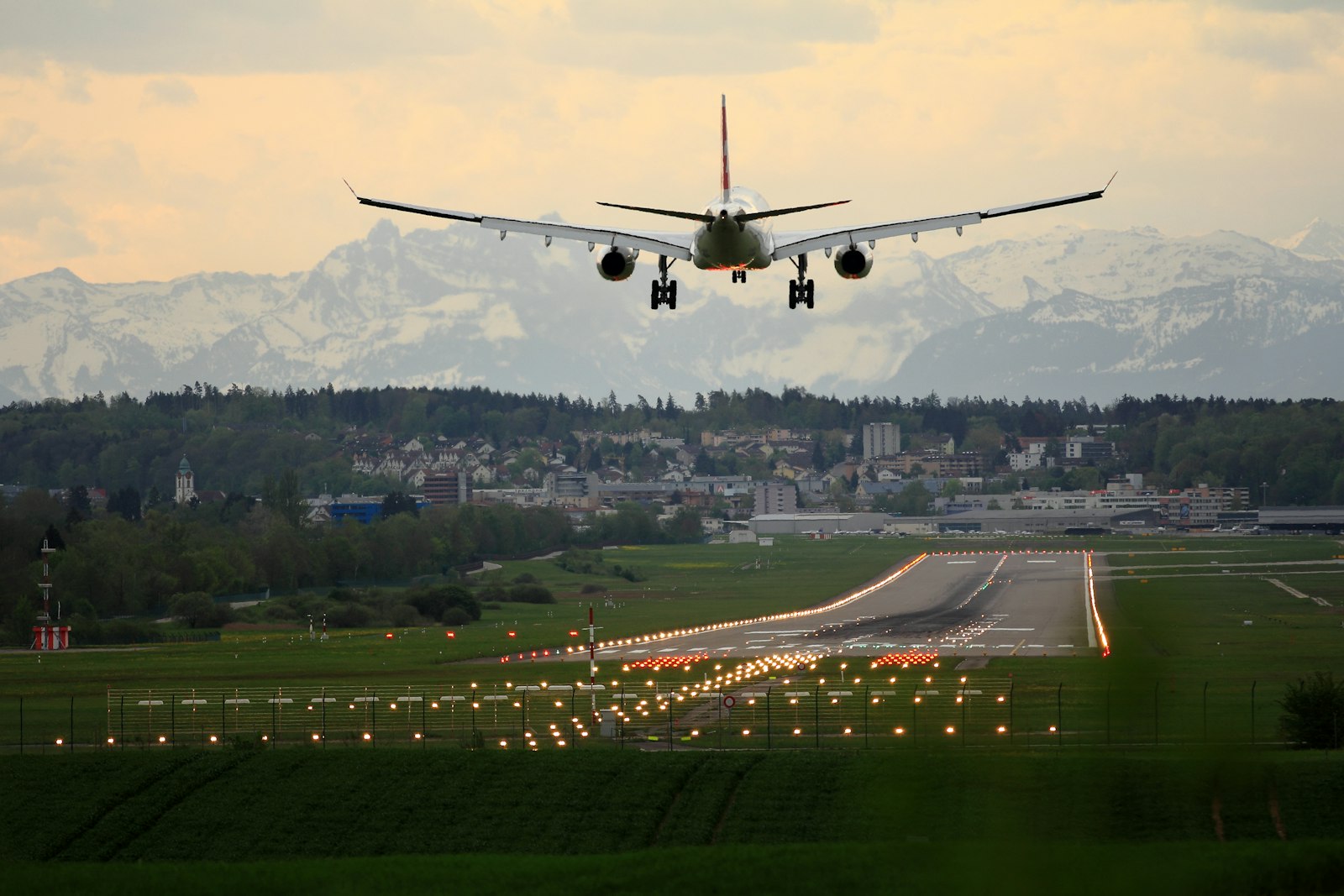
Once a place you simply passed through, the modern airport has quietly reinvented itself as a destination in its own right — with chef-driven restaurants, luxury boutiques, local market concepts, and experiences designed to make every hour before boarding feel worthwhile.
From Waiting Rooms to Retail Worlds
For most of aviation's history, airports were functional and little else. Travelers grabbed a mediocre sandwich, browsed a rack of paperbacks, and counted ceiling tiles until their gate was called. That era is largely over at major international hubs.
Over the past two decades, airport operators have systematically overhauled their commercial strategies. Non-aeronautical revenue — money generated by retail, food and beverage, car parking, and advertising — has become a critical financial pillar for airports worldwide. The result, for travelers, is a landside and airside environment that increasingly resembles a well-curated urban marketplace.
The Economics Behind the Transformation
Understanding why airports invest so heavily in concessions starts with the numbers. Landing fees and airline charges have historically been regulated or constrained by competition between airports. Retail and dining carry no such ceiling. Airports that built compelling commercial environments discovered they could meaningfully grow revenue per passenger without raising fees on carriers.
Concession operators — the companies that run individual shops and restaurants under license — also have strong incentives to perform. Agreements are typically structured around a percentage of sales, meaning the airport only earns well when the tenant earns well. Both parties are therefore motivated to place the right concept in the right location and make the environment as inviting as possible.
This financial alignment has driven genuine quality improvements that benefit everyone moving through the terminal.
Local Identity as a Design Strategy
One of the most visible shifts in airport concessions is the move away from generic global chains toward concepts that reflect the city or region the airport serves. Travelers arriving at a hub increasingly encounter local breweries, celebrated regional chefs, indigenous craft markets, and food stalls serving dishes you might actually find in the surrounding neighborhoods.
This localization serves multiple purposes. It gives departing residents a sense of pride and familiarity. It offers arriving visitors an immediate taste of the destination. And it gives transit passengers — who may never leave the terminal — a genuine cultural encounter they wouldn't get from a standard chain.
Many airport development teams now explicitly require local or regional operators to fill a minimum share of their concession mix, treating the terminal as an extension of the city's identity rather than a neutral non-place.
The Rise of the Celebrity Chef and Recognizable Brand
Alongside the push for local authenticity, airports have also become serious targets for nationally and internationally recognized restaurant brands. Well-known chefs and hospitality groups have realized that high passenger volumes, captive audiences, and relatively affluent traveler demographics make airport locations commercially attractive — provided the operator is willing to adapt concepts for the operational realities of a terminal environment.
The result is a market where travelers can encounter the same caliber of food and hospitality they might expect at a standalone urban restaurant, with menus engineered for speed of service without sacrificing quality. Airport food no longer has to mean overpriced and underwhelming.
Duty-Free and the Luxury Retail Opportunity
Duty-free shopping remains one of the most recognized features of international airports. The ability to purchase alcohol, tobacco, fragrances, cosmetics, and other goods free of certain local taxes continues to draw significant spend from international travelers. Duty-free operators have responded by moving well beyond functional purchasing environments into immersive retail experiences with product experts, tasting stations, and curated gifting services.
Luxury fashion and accessories brands have similarly recognized airports as premium retail territory. Travelers in transit — often with time on their hands and a more relaxed mindset than during a pressured high-street visit — can be receptive to considered purchases. Major international terminals now house flagship-quality boutiques for brands that previously reserved that treatment for capital city addresses.
It is always worth confirming duty-free allowances before you buy. Rules governing what you can import vary significantly by destination country and sometimes by the goods category. Check official government customs guidance for your destination, or browse the Passport & Visa section of TravelerPulse.pro for links to official sources by country.
Terminal Design That Encourages Exploration
Airport architecture has evolved in parallel with the commercial ambitions of operators. Older terminal designs concentrated retail into tight corridors immediately after security, essentially forcing passengers past shops. Modern terminal design takes a more sophisticated approach.
Open plazas, natural light, varied ceiling heights, and food hall layouts invite lingering rather than rushing. Seating is integrated into commercial zones rather than segregated from them. Charging points and reliable Wi-Fi remove the friction that once sent travelers straight to their gates. When the physical environment is comfortable, people are more willing to explore — and to spend.
Wayfinding has also improved substantially. Digital directories and clear zoning help travelers understand the full range of options available so they are not simply defaulting to the nearest outlet by the security exit.
The Wellness and Experience Dimension
Retail and dining are no longer the only concession categories worth noting. Airports have expanded their commercial mix to include spa and wellness facilities, yoga studios, sleep pods, art installations, children's play areas, and entertainment experiences. Some larger hubs have gone further still, incorporating transit hotels, rooftop gardens, and walking or running tracks.
The logic is straightforward: a traveler who feels rested and engaged is a traveler who spends more time — and more money — in the terminal. But the traveler benefit is real regardless of the commercial motivation. Long layovers are a genuinely more pleasant experience in terminals that have invested in wellbeing.
Technology Changing How You Shop and Eat
Mobile ordering, pre-order and collect services, and delivery to gate are increasingly common at larger airports. Travelers can browse concession menus from their phones, place orders ahead of passing through security, and have food waiting for them airside. This reduces queue anxiety and means travelers with short connections are not forced to choose between eating and making their flight.
Digital concession directories integrated into airport apps and websites — including the airport pages on TravelerPulse.pro — mean you can scout dining and shopping options before you arrive and plan your terminal time with the same intention you might bring to planning a neighborhood visit in an unfamiliar city.
What Frequent Travelers Have Learned
Experienced travelers have adapted their airport behavior to take advantage of these improvements. A few practical habits worth adopting:
- Research your terminal before you fly. Large hub airports can have multiple terminals with very different concession mixes. Knowing what is available airside versus landside prevents disappointment.
- Budget time intentionally. If a terminal has a restaurant or shop you genuinely want to visit, arrive early enough to do so without stress. Treating the airport as an experience rather than an obstacle changes the entire texture of a travel day.
- Check hours carefully. Not every concession operates from the first departure to the last. Early-morning and late-night travelers sometimes find a reduced offering, particularly for sit-down dining.
- Confirm duty-free limits before purchasing. What you save on tax can be lost — and then some — if goods are confiscated at customs on the other end.
- Look for local over familiar. The chain you already know will be there when you land. The local craft producer or regional chef concept may be a genuine one-time opportunity.
The Equity Question: Not All Terminals Are Equal
It is worth acknowledging that this transformation has not reached every airport equally. Smaller regional airports, budget-focused facilities, and terminals undergoing ongoing construction often still reflect the older model — limited options, generic quality, high prices relative to value. The premium airport dining and retail experience is concentrated in major international hubs and in terminals that serve high volumes of long-haul and premium-class travelers.
Travelers departing from secondary airports or using budget terminals at major hubs should set realistic expectations and consider eating and provisioning before they arrive if the options are important to them.
Frequently Asked Questions
Is airport food always more expensive than city restaurants?
Airport pricing is generally higher than equivalent high-street options, reflecting the significant overhead costs of operating in a secure, regulated environment. That said, the gap has narrowed at airports that have genuinely competitive concession programs. Some operators apply a policy of street-pricing parity — charging the same in the airport as in their city locations — though this is not universal. Check menus before you sit down if budget is a concern.
Can I bring outside food through airport security?
In most jurisdictions, you can bring food from outside the airport through security screening, subject to the usual liquid restrictions (gels, pastes, and liquid-heavy items may be limited in quantity for carry-on). Policies can vary by country and airport, so if you are traveling with specialty or prepared foods, it is worth checking the specific rules of your departure airport and destination country's customs authority.
How do I find out what dining and shopping is available at my specific airport?
Most major airports publish detailed concession directories on their official websites, organized by terminal and airside or landside location. TravelerPulse.pro airport pages also aggregate key terminal information to help you plan before you arrive. When in doubt, call the airport's passenger services line — they can advise on hours, locations, and accessibility.
Are duty-free purchases always a good deal?
Not automatically. Duty-free savings are most significant on heavily taxed categories like spirits, tobacco, and some fragrances. For electronics, clothing, and many other goods, prices may not be notably different from — or may even exceed — competitive online or high-street retailers. Always compare before purchasing, and factor in your import allowance at the destination.
Conclusion
The airport has earned its place as a genuine travel destination rather than a necessary inconvenience. That transformation is driven by commercial imperatives, but the traveler benefit is real — better food, more interesting retail, and terminals that treat the time before boarding as worth something. Approach your next layover with the same curiosity you bring to the destination itself, and you may find the journey has already begun long before wheels leave the runway. Use My Travel Hub on TravelerPulse.pro to keep your full itinerary organized, so you can focus on the experience rather than the logistics.


