 Translate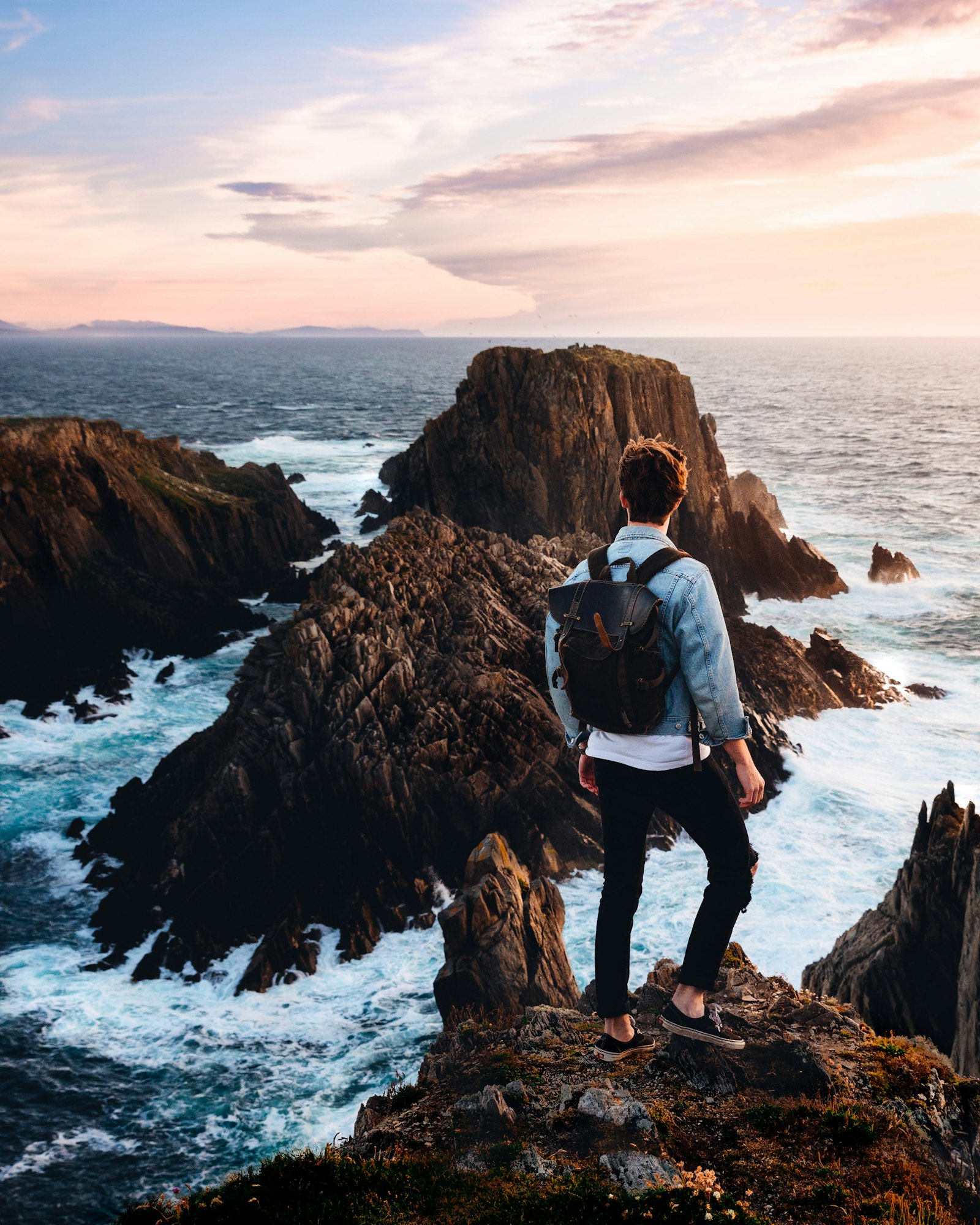
Solo travel puts you entirely in charge — of your itinerary, your pace, and your decisions — and with the right preparation it is one of the most liberating and personally transformative ways to explore the world.
Why People Travel Solo
Solo travel has grown steadily as a mainstream choice rather than a niche one. The motivations vary widely: some travelers go alone because no one else is available; others deliberately choose it for the freedom it offers. Without the need to negotiate destinations, dining times, or activity levels with a companion, solo travelers can follow their curiosity wherever it leads — lingering in a museum, changing plans on a whim, or simply sitting in a café and watching the world go by.
Many solo travelers also report that going alone forces genuine engagement with a place. When you have no built-in social buffer, you tend to interact more with locals and other travelers, which often produces the most memorable experiences of a trip.
Choosing Your First Solo Destination Wisely
If you are new to solo travel, destination choice carries extra weight. A few factors worth considering:
- Infrastructure and ease of navigation. Well-signed public transit, reliable maps, and clear tourist information reduce the cognitive load on your first solo trip.
- Language overlap. Starting in a country where you speak even basic phrases — or where English is widely used — lowers the barrier when you need help.
- Established solo-traveler culture. Some destinations have dense hostel networks, well-worn backpacker routes, and locals accustomed to independent visitors. These environments are forgiving for beginners.
- Safety reputation. Research current travel advisories on your government's official foreign affairs or state department website before committing. Conditions change, and official sources are the most reliable baseline.
Experienced solo travelers often say their second and third trips are far easier than the first, regardless of destination. Building confidence is itself part of the journey.
Planning and Staying Organized
Solo travelers carry the entire planning load themselves, which makes organization more important, not less. A practical approach:
- Book the first night's accommodation before you arrive, even if you prefer flexibility afterward. Arriving somewhere unfamiliar without a confirmed bed adds unnecessary stress.
- Keep digital and physical copies of critical documents — passport, visa, travel insurance policy, emergency contacts, and accommodation confirmations.
- Share your itinerary with someone at home: a family member or trusted friend who knows where you are expected to be and when.
- Build loose daily plans rather than rigid schedules. Overplanning leaves no room for the spontaneous detours that solo travel excels at producing.
TravelerPulse.pro's My Travel Hub is designed for exactly this kind of end-to-end trip management — keeping your bookings, itinerary notes, and destination research in one accessible place whether you're at a café with Wi-Fi or checking in at the airport.
Budgeting for One
Solo travel costs more per person than group or couple travel in certain categories, and less in others. Understanding the difference helps you plan accurately.
Where solo travelers typically pay more:
- Accommodation — single room rates often approach double-occupancy rates, and the "single supplement" on tours and cruises can be significant.
- Private transport — taxis, rental cars, and private transfers don't become cheaper just because you're alone.
- Guided tours — per-person pricing applies regardless of group size on your end.
Where solo travelers often save:
- Food — eating a street snack or a simple local meal for one is easy and inexpensive; you're never obligated to choose a full sit-down dinner.
- Activities — you decide exactly what you spend on, without pressure to join costly group excursions.
- Flexibility — solo travelers can take advantage of last-minute deals, off-peak travel, and budget accommodation like hostel dorms more easily than couples or families.
Hostels with dormitory beds remain the single most effective tool for keeping accommodation costs low while almost automatically meeting other travelers.
Safety: Practical, Not Paranoid
Safety is a legitimate consideration, not something to dismiss or obsess over. A grounded approach involves layering simple habits rather than relying on any single precaution.
- Stay aware of your surroundings. Walking with headphones in both ears or staring at your phone while navigating an unfamiliar area reduces situational awareness. One earbud out is a small habit with real value.
- Trust your instincts. If a situation or a person feels wrong, move away from it. Solo travelers do not owe explanations for removing themselves from discomfort.
- Secure your valuables smartly. A money belt worn under clothing for passports and large cash, a separate small wallet for daily spending, and a hotel safe for items you don't need to carry are sensible, low-effort precautions.
- Know the local emergency numbers for police, ambulance, and fire in each country you visit. These are not universal.
- Register with your embassy or consulate. Many governments offer a free traveler registration service that enables contact in a genuine emergency.
- Use reputable transport options. Research which ride-hailing apps or licensed taxi companies are standard in each city before you arrive, rather than accepting unsolicited offers at airports.
Solo travel safety statistics and risk levels vary enormously by destination, traveler gender, and individual circumstances. Seek current, region-specific guidance from official government travel advisory sites rather than relying on generalized internet rankings.
Accommodation Strategies for Solo Travelers
The type of accommodation you choose shapes the entire social texture of a solo trip.
- Hostels — dorm beds are budget-friendly and socially rich. Common areas, organized events, and shared kitchens create natural meeting points. Look for hostels with strong review scores specifically mentioning atmosphere and cleanliness.
- Guesthouses and B&Bs — often family-run, these offer more personal interaction than large hotels and can be excellent value for solo travelers wanting a private room without paying full hotel prices.
- Hotels — offer privacy and amenities but can feel isolating when traveling alone. Lobby bars, restaurant seating at the bar or communal table, and hotel-organized activities help counter this.
- Home-sharing platforms — staying in a room in a local host's home can provide authentic connection; an entire private apartment offers comfort and independence at a mid-range price point.
Meeting People and Avoiding Loneliness
Loneliness is the honest challenge of solo travel that guidebooks sometimes gloss over. It is real, it is manageable, and it often passes quickly once you build a rhythm.
- Join free walking tours — a near-universal option in major cities that combines orientation with instant social contact.
- Use activity-based meetup platforms to find travelers or locals interested in hiking, cooking classes, language exchanges, or other shared interests.
- Eat at the bar or at communal tables in restaurants. Sitting alone at a table with a book is perfectly fine, but the bar is where conversations start.
- Say yes to reasonable invitations from other travelers. The café invitation from a fellow hostel guest has launched many unexpected friendships and side trips.
- Plan occasional video calls home to maintain connection — but be conscious of over-relying on home contact to avoid the discomfort of solo immersion, which is itself part of what the experience offers.
Visas, Entry Requirements, and Health Preparation
Solo travelers process all entry paperwork themselves, so building in extra lead time is wise. Visa requirements depend entirely on your citizenship and your destination — check the official immigration authority of each country you plan to visit, as well as your own government's travel advisory pages. The TravelerPulse.pro Passport & Visa section can help you understand the general landscape and prompt the right questions before you contact official sources.
Health preparation — vaccinations, medications, travel health insurance — should be discussed with a travel medicine clinic or your primary physician well before departure. Some vaccinations require multiple doses over weeks or months. Travel insurance that includes medical evacuation coverage is strongly recommended for solo travelers; if you are injured or seriously ill alone, having adequate coverage is far more critical than when traveling with a companion who can manage logistics on your behalf.
Connectivity and Navigation
Staying connected matters more when you're alone. Options include:
- Local SIM cards purchased on arrival — often the most cost-effective solution for longer stays.
- International plans added to your existing carrier account — convenient for short trips, though often more expensive per gigabyte.
- Portable Wi-Fi devices — useful for multiple devices or when sharing with travel companions you meet along the way.
Download offline maps before you leave each Wi-Fi zone. Running out of data in an unfamiliar neighborhood with no navigation is an avoidable frustration. Screenshot or save key addresses, transit routes, and accommodation details so they are accessible without a connection.
Psychological Preparation: Embracing the Uncomfortable Parts
The first day in a new city, alone, with no one to turn to and no plan that has yet come together — that moment is disorienting for almost everyone, including experienced solo travelers. Knowing it is temporary and that the rhythm of a place takes a day or two to find makes it more manageable.
Boredom, anxiety, and second-guessing are normal early experiences. Most solo travelers find they pass quickly as practical engagement with the destination takes over. Being patient with yourself in those first hours is itself a form of travel skill.
Frequently Asked Questions
Is solo travel safe for women?
Women travel solo successfully in every region of the world. That said, risk levels, cultural norms, and recommended precautions vary significantly by destination. Women-specific travel communities, forums, and destination guides written by solo female travelers are valuable sources of candid, practical advice. Official government travel advisories remain the essential baseline for assessing destination-level risk.
What is the biggest mistake first-time solo travelers make?
Overplanning is common — building an itinerary so packed with fixed bookings and timed activities that the flexibility that makes solo travel rewarding is entirely removed. The second most common mistake is under-budgeting for single supplements and the higher per-person cost of private accommodation and transport.
How do I handle medical emergencies when traveling alone?
Carry comprehensive travel insurance that includes medical evacuation, have your insurance emergency number saved in your phone and written on paper, know the local emergency service numbers for each country, and inform your accommodation of any serious ongoing health conditions when you check in. If you take regular medication, carry more than enough supply for the trip plus extras in case of delays, and keep it in your carry-on rather than checked luggage.
How do I meet other travelers without staying in hostels?
Free walking tours, cooking classes, day tours, language exchange meetups, local cultural events, and travel-oriented apps and forums all provide structured social contexts that do not require hostel accommodation. Many solo travelers in mid-range hotels simply book a half-day group activity each day specifically for the social dimension as much as the sightseeing.
Conclusion
Solo travel asks more of you than group travel — more planning, more self-reliance, more tolerance for uncertainty — and it returns more in kind. The decisions are yours, the discoveries are yours, and the confidence built by navigating the world alone tends to persist long after you return home. Start with thoughtful preparation, stay flexible once you arrive, and give yourself permission to find your own pace. The rest tends to follow.



