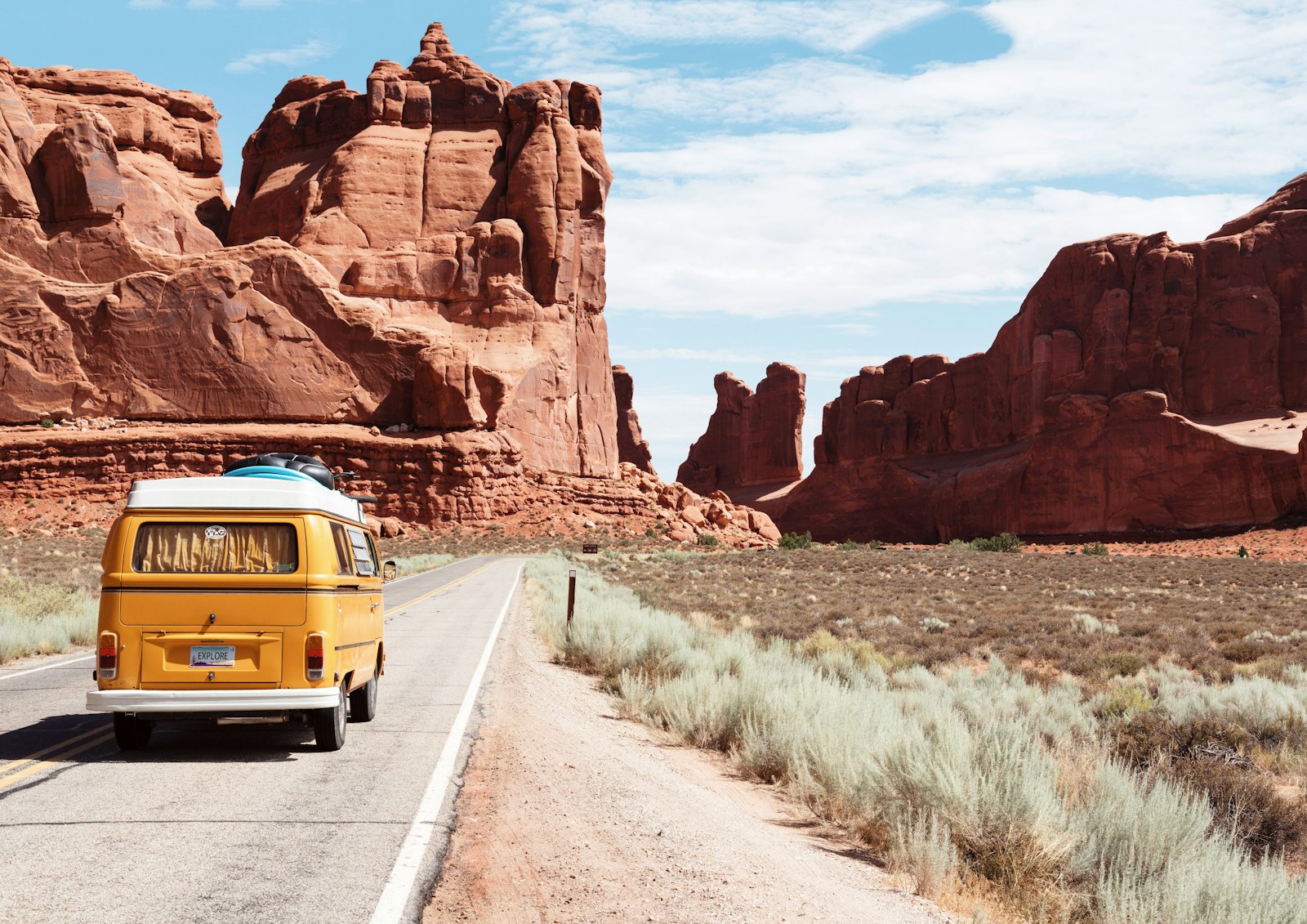
Whether you're chasing coastal cliffs, high-altitude passes, or endless desert highways, the world's great scenic drives offer a freedom that no other form of travel quite matches — this guide covers the routes, the planning, and everything you need to hit the road with confidence.
Why Scenic Drives Belong on Every Traveler's List
Air travel compresses geography into a blur of altitude and arrival gates. A scenic drive does the opposite — it stretches landscapes out, lets you stop where you want, and puts you genuinely inside a place rather than over it. From a rented compact on a coastal highway to your own 4WD on a remote mountain track, self-drive travel gives you control over pace, itinerary, and discovery that group tours rarely can.
The routes in this guide span six continents and range from smooth, well-signed highways to gravel tracks that demand real preparation. What they share is the quality of the journey itself: on the best scenic drives, the road is the destination.
Iconic Routes: A Region-by-Region Overview
Europe
- Atlantic Ocean Road, Norway: A short but extraordinary stretch of road hops across a series of bridges and causeways through island-dotted sea. Best in stormy weather, when waves crash over the barriers. Summer brings 24-hour daylight in the far north.
- Amalfi Coast, Italy: Narrow, cliff-hugging switchbacks above the Tyrrhenian Sea connect Salerno to Sorrento. Expect heavy traffic in peak summer — driving this route in spring or October is noticeably calmer.
- Grossglockner High Alpine Road, Austria: A toll road rising to nearly 2,500 metres through the Alps, offering glacier views and hairpin bends. Typically open May through November, weather permitting.
- North Coast 500, Scotland: A roughly 500-mile loop from Inverness around the northern Highlands, passing sea lochs, white-sand beaches, and ancient castles. Single-track roads with passing places are the norm — patience is essential.
The Americas
- Pacific Coast Highway (Highway 1), California, USA: The benchmark of American road trips — Big Sur's cliffs, redwood groves, and small coastal towns from Los Angeles to San Francisco (or beyond). Sections occasionally close after landslides; check Caltrans conditions before departure.
- Icefields Parkway, Canada: Running between Banff and Jasper in Alberta, this route tracks glacier-fed lakes, wildlife crossings, and Columbia Icefield. Elk and bears are common roadside sightings — keep a respectful distance.
- Carretera Austral, Chile: Over a thousand kilometres of mostly unpaved road through Patagonian wilderness. Ferries are required at several points; a high-clearance vehicle and extra fuel are necessities, not luxuries.
Oceania
- Great Ocean Road, Australia: From Torquay to Allansford in Victoria, this drive follows dramatic southern coastline past the Twelve Apostles limestone stacks. The route is well serviced and suits any rental vehicle.
- Crown Range Road, New Zealand: New Zealand's highest sealed highway connects Queenstown with Wanaka over the Crown Range. Short but stunning, with panoramic views on the descent toward Wanaka.
Africa and the Middle East
- Chapman's Peak Drive, South Africa: A spectacular toll road cut into the cliffs above the Atlantic between Hout Bay and Noordhoek near Cape Town. Periodic rockfall closures apply — check before you go.
- Dades Gorge Road, Morocco: The route from Ouarzazate into the gorge and beyond tracks through dramatic rose-red canyon walls and Berber villages. Road quality varies; a 4WD opens more options.
Asia
- Manali–Leh Highway, India: One of the highest motorable roads on Earth, crossing several passes above 5,000 metres through the Himalayas. Open only in summer months; altitude sickness is a genuine concern — acclimatise before attempting.
- Shirakawa-go to Kanazawa, Japan: A gentler choice — this rural route in Gifu and Ishikawa prefectures winds past UNESCO-listed gassho-zukuri farmhouses, mountain streams, and in winter, deep snow cover.
Planning Your Route: Practical Foundations
The most common road trip mistake is overplanning distance and underplanning time. A route that looks manageable on a map can triple in duration when the road is mountain switchbacks, you stop to photograph a waterfall, or you simply want to linger over lunch in a village.
- Set a daily distance ceiling. On mountain or coastal roads, 150–250 km per day is often a more satisfying ceiling than the maximum you could technically cover.
- Build in buffer days. Weather closes passes. Ferries run on their own schedules. A mechanical issue eats half a day. One buffer day per week of driving is a sensible minimum.
- Research seasonal closures. Many of the world's great mountain drives close in winter — the Grossglockner, Manali–Leh, and parts of Patagonia are examples. Always verify dates with local tourism or roads authorities.
- Use TravelerPulse.pro's My Travel Hub to keep route segments, accommodation bookings, and fuel stop notes organized in one place as your itinerary grows.
International Driving: Documents and Legal Requirements
Requirements vary significantly by country, so verify everything with official government sources before you travel. That said, several documents apply almost universally to international driving:
- International Driving Permit (IDP): Many countries require or strongly recommend an IDP alongside your home licence. Obtain one before departure through your national motoring association — they are not issued abroad.
- Insurance documentation: Your domestic car insurance almost certainly does not cover international driving. A hired vehicle's coverage needs to be confirmed in writing before you accept the keys.
- Vehicle registration and ownership documents: If driving your own vehicle across borders, carry originals, not photocopies.
- Visa and border crossing paperwork: Some road trips cross multiple countries. Check entry requirements via your government's official foreign travel advisories, and see the /visas section on TravelerPulse.pro for a starting-point overview of passport and visa considerations by region.
Choosing and Preparing Your Vehicle
The road determines the vehicle, not the other way around. Before booking a rental or committing your own car, assess the route honestly:
- Sealed highway vs. gravel/dirt: Gravel routes like the Carretera Austral or Moroccan piste roads demand high clearance and ideally 4WD. Standard sedans are not suitable, and many rental agreements explicitly prohibit unsealed roads.
- Tyre condition: Check the spare tyre before you leave the rental lot or your driveway. In remote areas, a spare is not optional.
- Fuel range: Know your vehicle's range on a full tank and map fuel stops accordingly. In remote regions, fill up whenever you see a station — don't wait for the low-fuel warning.
- Emergency kit: A basic kit should include a warning triangle, reflective vest, jump cables, first-aid supplies, and a physical map or downloaded offline maps. Mobile coverage disappears quickly in wilderness and mountain areas.
- Roof load and weight limits: If carrying bikes, luggage boxes, or camping gear on a roof rack, confirm the vehicle's roof load rating.
Driving Rules That Vary by Country
Traffic laws are not universal. Some differences catch international drivers off guard:
- Side of the road: Most of the world drives on the right; the UK, Ireland, Australia, New Zealand, Japan, India, and several others drive on the left. The switch is disorienting — pay particular attention at junctions and roundabouts when fatigued.
- Speed limits: Posted in km/h or mph depending on country. Many rural routes have lower limits than drivers expect, and camera enforcement is common across Europe and Australia.
- Alcohol limits: The legal blood-alcohol limit differs between countries and is zero in several. Never guess — if in doubt, don't drive.
- Tolls: Some routes (Amalfi, Grossglockner, Chapman's Peak) are toll roads. Others use electronic systems that require a prepaid tag or registration — check in advance to avoid fines.
- Wildlife and livestock: In Australia, Norway, Scotland, Canada, and rural Africa, animals on the road are a genuine hazard, especially at dawn and dusk. Reduce speed accordingly.
Safety on Remote and Mountain Roads
Remote scenic routes reward preparation. The further from a town you are, the greater the consequence of a minor problem becoming a serious one.
- Share your itinerary with someone not on the trip, including expected check-in points and dates.
- Download offline maps before entering areas with poor coverage — Google Maps, Maps.me, and Gaia GPS all support this.
- On mountain passes, brake on the engine rather than riding the brake pedal downhill to avoid brake fade.
- In extreme heat (desert driving), set out early, rest during midday, and carry substantially more water than you expect to need.
- For Himalayan or Andean altitude routes, allow a day or two at intermediate elevation before crossing the highest passes.
Accommodation Strategy for Road Trips
Road trips reward flexibility, but shoulder-season and peak-season realities differ sharply. In July on the North Coast 500 or the Great Ocean Road, accommodation in small towns can book out weeks in advance. In contrast, driving the same routes in April or October may allow spontaneous decisions most nights.
A practical middle ground: book the first and last nights firmly, hold tentative reservations for the rest, and cancel as needed within the free-cancellation window. Camping adds flexibility but requires checking whether roadside or free camping is legal in the country — rules vary considerably.
Capturing the Drive Without Losing It
Photography and driving do not mix. Pull completely off the road to take photos — ideally at a designated viewpoint or layby, not on an active traffic lane. Many of the world's most photographed scenic drives (Amalfi, Pacific Coast Highway) have caused accidents because drivers stopped suddenly on narrow roads.
Dash cameras are legal in most countries and provide a useful record in the event of an incident. Check local laws before mounting one, as a small number of jurisdictions restrict them.
Frequently Asked Questions
Do I need an International Driving Permit for every foreign country?
No — requirements vary. Some countries accept your home licence directly; others require an IDP alongside it; a few require a locally issued licence for stays beyond a certain period. Check the official entry requirements for each country on your route well before departure. Your national motoring association (AAA, AA, NRMA, etc.) can advise on IDP eligibility.
What's the best time of year to drive mountain scenic routes?
Most high-altitude routes are seasonal. Mid-summer (June–August in the northern hemisphere, December–February in the southern) offers the most reliable access, but also the most traffic. Shoulder seasons — late spring and early autumn — often deliver better light, lower crowds, and comparable road conditions. Always confirm specific opening dates with local roads or tourism authorities.
Can I drive a rental car across international borders?
Many rental companies permit cross-border travel, but not automatically or to every country. You must notify the company in advance, obtain written permission, and pay any additional insurance or administrative fees. Driving a rental into an unauthorized country typically voids your insurance entirely — confirm everything before you pick up the keys.
How do I find fuel stops on very remote routes?
Research before you go. Traveler forums, road-specific Facebook groups, and local tourism websites often carry recent, practical fuel-stop information for remote routes. Apps like GasBuddy (North America), Fuelmap (Australia), and similar regional tools can help. For truly remote routes, carry a safety reserve of fuel in an appropriate container — and check local regulations on carrying spare fuel before you do.
Is travel insurance necessary for a road trip?
Policies vary widely, but as a general principle: standard vehicle insurance does not cover medical evacuation, trip cancellation, or lost luggage — all of which are relevant on a road trip in a remote or foreign location. Review what your existing travel and vehicle policies actually cover, and consider specialist road-trip or adventure travel insurance for significant international journeys.
Final Thoughts: The Road Ahead
The world's great scenic drives have one thing in common — they were built for function and became famous for beauty. The engineers who blasted the Grossglockner through the Alps or carved the Amalfi road into limestone cliffs were not thinking about Instagram. They were connecting places. The fortunate side effect is a planet threaded with routes that, driven at the right pace, reveal geography, culture, and landscape in ways no other travel mode can replicate.
Plan carefully, drive responsibly, and leave time to stop. The viewpoint you almost didn't pull over for is often the one you remember longest. For airport-specific amenities at your departure or arrival point, check the relevant airport pages on TravelerPulse.pro to make the journey-to-the-journey as smooth as the drive itself.


