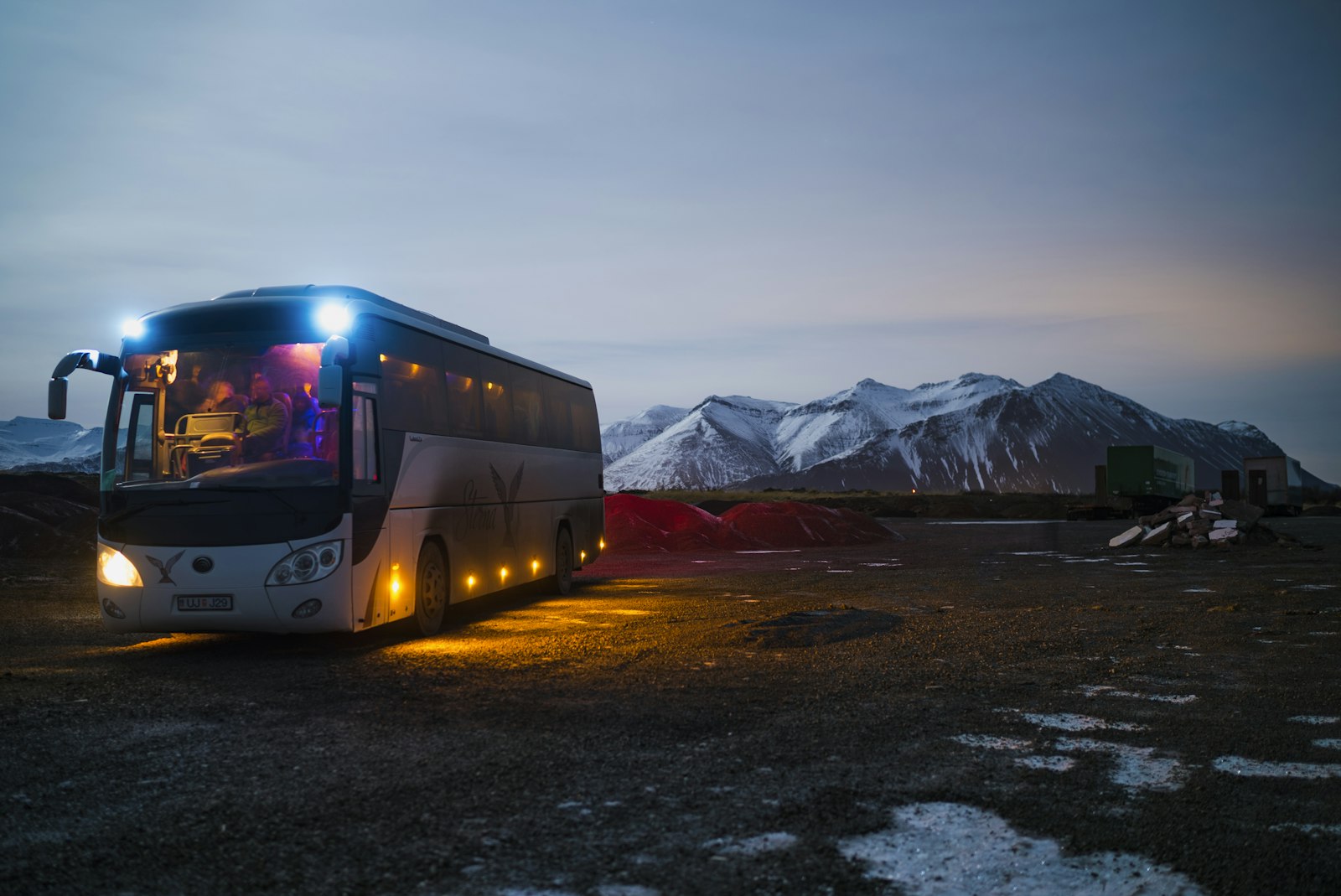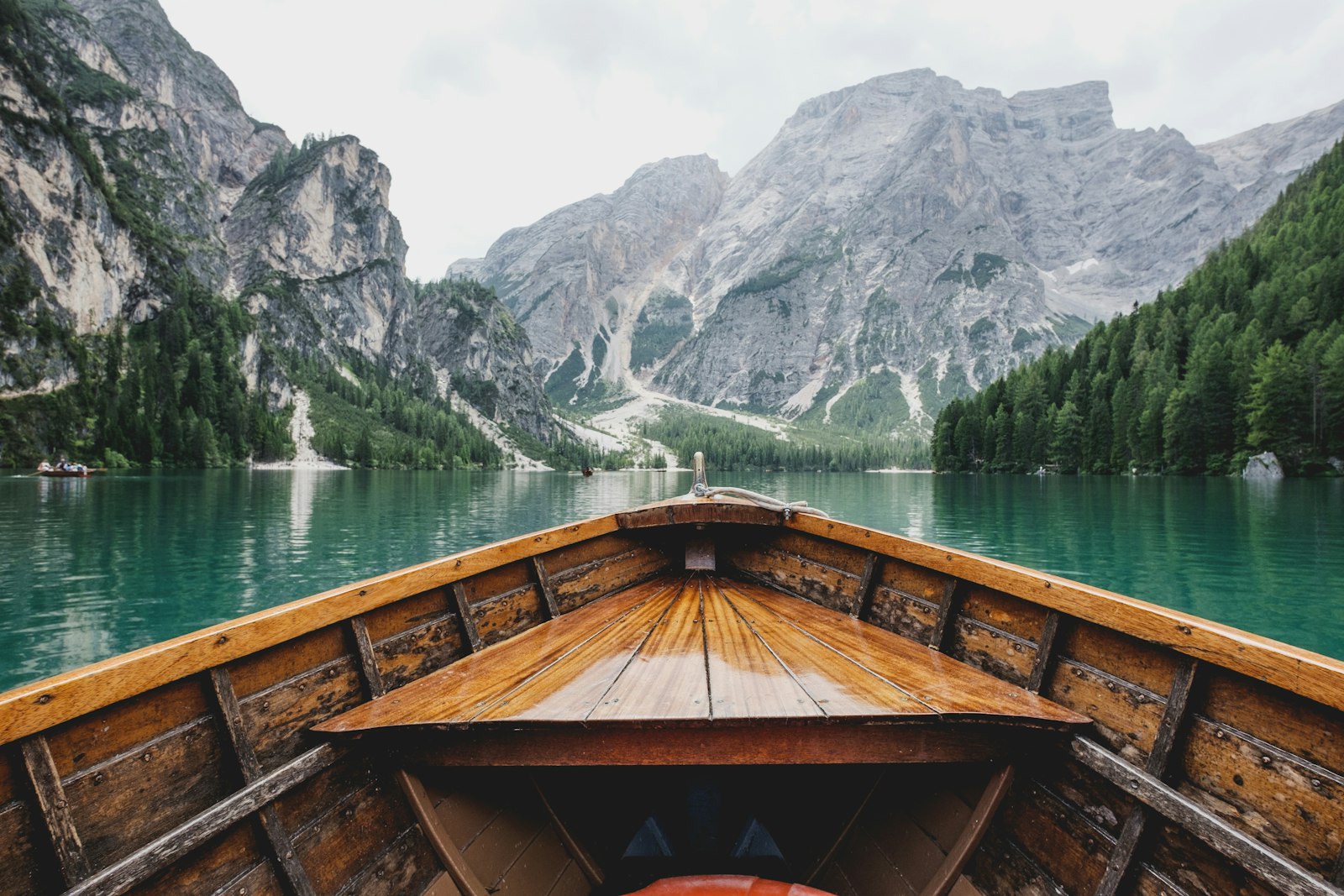
Scenic drives transform the journey itself into the destination — this guide walks you through choosing the right route, preparing your vehicle and documents, understanding road conditions, and making the most of every mile, whether you're a first-time road tripper or a seasoned long-haul driver.
Why Scenic Drives Deserve a Place on Every Traveler's List
Flights compress the world into a series of airports and cabin pressurization. Scenic drives expand it. The road gives you the ability to stop at an unmarked overlook, linger in a village that doesn't appear in any guidebook, and experience the gradual shift in landscape, climate, and culture that faster travel erases entirely.
Scenic drives exist on every continent and at virtually every budget level. A day loop through a national park costs little more than a tank of fuel. A weeks-long continental crossing is a full expedition. The format scales to the traveler.
Types of Scenic Drives
Understanding the category of road you're planning for shapes every decision that follows.
- Coastal routes: Dramatic cliff edges, ocean views, and sea-breeze conditions. Expect heavy tourist traffic in summer and occasional road closures due to erosion or tidal flooding.
- Mountain and alpine passes: High elevation, hairpin turns, and landscapes that change with every thousand feet of altitude. Seasonal closures are common — some passes are only open a few months per year.
- Desert highways: Wide-open vistas, extreme temperatures, and very long distances between services. Fuel and water planning are non-negotiable.
- Forest and wilderness corridors: Canopy roads, wildlife crossings, and limited cell service. Slower pace, higher reward for wildlife spotters.
- Heritage and cultural routes: Roads deliberately plotted through historically significant towns, vineyards, pilgrimage paths, or archaeological zones. Often marked by government signage programs.
- River valley drives: Gentle gradients, agricultural scenery, and frequent access to small market towns. Generally the most accessible option for drivers unfamiliar with technical road conditions.
Choosing the Right Route for Your Trip
The most famous road isn't always the best road for you. Before committing to a route, honestly assess a few factors.
- Your comfort with driving conditions: Narrow mountain switchbacks, left-hand traffic, gravel surfaces, and unfamiliar road signage all require an honest self-assessment before departure.
- Available time: Many iconic drives are frequently underestimated in duration. Account for stops, slower speeds on winding roads, and the reality that you will want to pull over far more often than you expect.
- Season and weather: The same road that offers peak-autumn foliage in October may be icy and impassable in November. Check historical weather data and speak to local tourism boards about road conditions for your specific travel window.
- Vehicle type: Some celebrated scenic routes require high-clearance four-wheel-drive vehicles. Others can be enjoyed in a compact rental car. Know what the road demands before you book.
- Crowd levels: Iconic routes attract significant traffic. Traveling a popular coastal highway at its peak weekend draws means less solitude and more congestion at viewpoints. Shoulder seasons and midweek travel often deliver a fundamentally different experience.
Planning Your Itinerary
Loose structure is the ideal approach. Build an itinerary with confirmed overnight stops at the beginning and end of each day, but leave the hours in between flexible. Rigid scheduling works against everything that makes scenic driving worthwhile.
- Identify must-stop landmarks and natural features in advance, but resist the urge to schedule them by the hour.
- Build in at least one unscheduled day — a buffer that absorbs delays, spontaneous detours, and weather-related rerouting.
- Research overnight options along the full length of the route, not just major towns. Small inns, family-run guesthouses, and campgrounds in less-traveled stretches often provide the most memorable stays.
- Download offline maps before you leave. Cell coverage on scenic routes is frequently limited or entirely absent.
Keeping your route details, accommodation confirmations, and fuel stop notes organized in one place saves significant stress. TravelerPulse.pro's My Travel Hub lets you consolidate everything from itinerary segments to document copies in a single organized dashboard before you leave home.
Vehicle Preparation and Rental Considerations
The vehicle is your life-support system on a long drive. Whether you're taking your own car or renting, take preparation seriously.
- Pre-trip inspection: Tires (including the spare), fluid levels, brakes, lights, and windshield wipers should all be checked before departure. For mountain or remote routes, this is not optional.
- Rental agreements: Read the fine print carefully. Many rental contracts restrict travel to certain countries, road types (gravel, unpaved), or altitudes. Violations can void your insurance coverage. Policies vary significantly between companies — confirm before signing.
- Insurance coverage: Understand exactly what your rental insurance, personal auto policy, or credit card coverage actually includes for the regions and road conditions you'll encounter. Gaps are common and expensive.
- Fuel type and station spacing: Note whether your vehicle requires a fuel type that may be harder to source in remote areas. On desert or wilderness routes, carry a fuel reserve if local regulations and your vehicle permit it.
- Emergency kit: At minimum: a first-aid kit, warning triangles or reflective vest (required by law in many countries), jump cables or a jump pack, and a physical map as a backup to digital navigation.
Documents, Licenses, and Border Crossings
Driving across international borders adds a layer of document preparation that air travelers rarely have to consider.
- An International Driving Permit (IDP) is required in many countries and strongly recommended in others. It is not a standalone license — it accompanies your home-country license. Obtain it before travel; most countries do not issue them to visitors on arrival.
- Check whether your home driving license is valid in your destination country. Some nations only accept licenses in specific scripts or formats.
- For multi-country drives, research visa requirements for every country on the route, including transit nations. Requirements change. Always verify with official government immigration sources rather than third-party summaries. The TravelerPulse.pro /visas section provides a starting point and links to official resources for Passport & Visa information.
- Vehicle documentation at borders typically includes your registration, proof of insurance valid in that country, and sometimes a temporary vehicle import permit.
Driving Rules and Road Etiquette Abroad
Road rules are not universal. Ignoring local conventions is both dangerous and legally consequential.
- Traffic flow direction (right-hand vs. left-hand) is the most obvious difference, but roundabout priority, speed limit systems, alcohol limits, phone use laws, and mandatory equipment (vests, warning triangles, breathalyzers) vary significantly by country.
- Speed cameras and automated enforcement are common in Europe, Australia, and increasingly worldwide. Rental companies pass fines to the original renter, often with an administrative fee added.
- Mountain road etiquette typically gives right of way to vehicles traveling uphill. Understand and respect this convention.
- In many countries, using a horn in urban areas is restricted. In others, it is the primary form of communication. Read the local norms before reacting instinctively.
Safety on Remote and Mountain Roads
The roads with the most spectacular scenery are often the least forgiving of mistakes.
- Never drive fatigued on technical mountain or coastal roads. Schedule breaks every two hours, regardless of how far you still have to go.
- Check road condition reports and weather forecasts the morning of each day's drive, not just at the start of the trip.
- Tell someone — a hotel, a contact at home — your planned route and expected arrival time for any remote stretch.
- On single-lane roads with passing places, know the local conventions for who yields. In many regions, the vehicle closest to a passing place reverses regardless of direction of travel.
- Wildlife crossings are not decorative signs. Dawn and dusk are high-risk periods on forest and desert routes. Reduce speed accordingly.
Getting the Most from Viewpoints and Stops
The difference between a photograph and an experience is time. Most travelers spend far less time at the best viewpoints than they intend to.
- Arrive at major viewpoints early in the morning. Light is better for photography, crowds are smaller, and wildlife is more active.
- Use established pullouts and parking areas. Stopping on the road surface, even briefly, creates genuine hazards for following traffic.
- Walk away from the parking lot. The most photographed angle of any viewpoint is often not the best one — five minutes of walking frequently reveals something more compelling and less crowded.
- Build in time for towns and villages along the route, not just natural scenery. Local markets, bakeries, and impromptu conversations often become the memories that outlast any landscape photograph.
Sustainable and Responsible Road Tripping
Scenic routes are popular precisely because the environments around them are exceptional. That popularity creates real pressure.
- Stay on designated roads and trails. Off-road shortcuts damage vegetation and erode soils in ways that can take decades to reverse.
- Pack out all waste, including food scraps. Wildlife that habituates to roadside feeding becomes a hazard to itself and to other travelers.
- Respect private land boundaries. Scenic drives often pass through working farms, indigenous territories, and private conservancies.
- Consider carbon offset programs for long-distance drives. Many reputable organizations offer verified offsets linked to reforestation and clean energy projects.
- Spend locally. Fuel up, eat, and sleep in the communities along the route rather than carrying everything from a distant city. This distributes tourism revenue to the people who actually live with the traffic.
Frequently Asked Questions
Do I need an International Driving Permit for every foreign country I drive in?
Requirements vary by country and sometimes by the traveler's country of origin. Many nations require an IDP alongside your home license; others accept certain foreign licenses directly. Check the official requirements for every country on your planned route well before departure. Your national automobile association is usually the authoritative source for IDP eligibility and issuance.
How do I handle navigation on remote routes with no cell service?
Download offline maps for your entire route before leaving areas with reliable connectivity. Apps such as maps.me, Google Maps offline, and dedicated GPS devices all function without a cell signal once maps are cached. Carry a printed or laminated physical map as a final backup — batteries die and screens crack.
Is travel insurance necessary for a road trip?
Policies and coverage vary enormously. Standard travel insurance may not cover vehicle breakdown, medical evacuation from remote areas, or trip interruption caused by road closures. Read the policy wording carefully against the specific risks of your planned route. For very remote or multi-country drives, specialist adventure or road-trip travel insurance is worth investigating.
What's the best time of year for most scenic drives?
There is no universal answer — the optimal season depends on the specific route, region, and what kind of experience you're seeking. Many mountain passes are only open in summer. Coastal drives can be stunning in winter with far fewer crowds. Research the specific climate and access conditions for your chosen road, not just the country or region in general.
Can I find information about airports and services at my starting or ending city?
Yes — if your scenic drive begins or ends with a flight, TravelerPulse.pro's airport pages cover terminal layouts, ground transportation, dining, and parking at major airports worldwide, which can help you plan your first or last day more efficiently.
The Road Ahead
Scenic drives reward preparation but punish rigidity. Know your route, respect the conditions, carry the right documents, and then loosen your grip on the schedule. The defining moments of a great road trip are almost never the ones you planned — they are the unmarked waterfall visible from a curve you almost drove past, the café that appeared exactly when you needed it, and the view that stopped the car before your brain had finished deciding to stop it. Plan well enough to be safe and organized, then trust the road to do the rest.