 Translate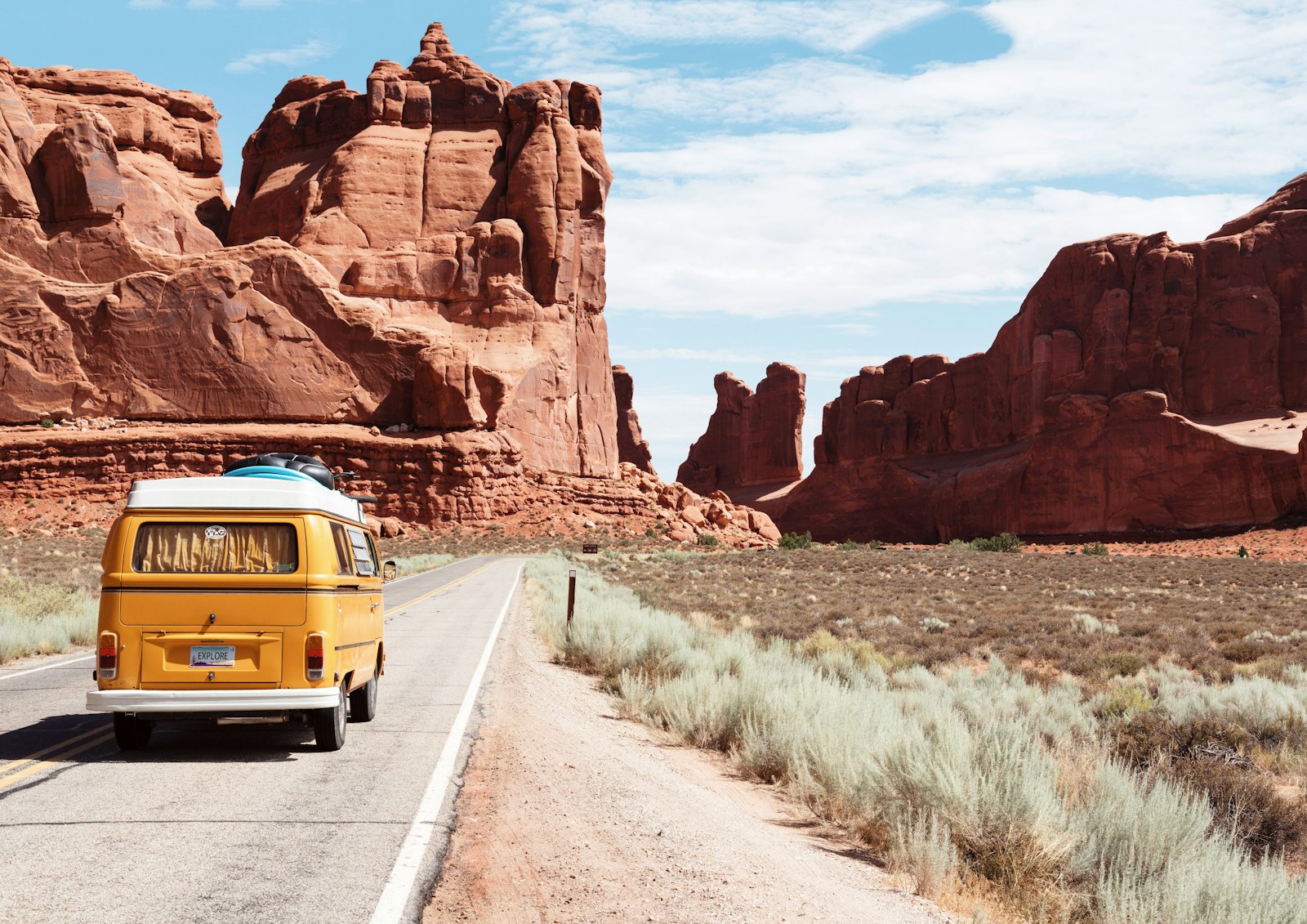
Whether you're renting a campervan for a two-week road trip or buying a full Class A motorhome for extended travel, this guide walks you through every stage of the journey — from picking the right vehicle to setting up camp at the end of the day.
Why RV and Campervan Travel Appeals to So Many People
The appeal is straightforward: you carry your accommodation with you. There are no hotel check-in windows to race toward, no repeated packing and unpacking, and no fixed itinerary you can't change on a whim. RV travel collapses the distance between the journey and the destination, making the road itself part of the experience.
It suits a wide range of travelers — solo adventurers, couples, families with children, retirees on extended tours, and remote workers who need a mobile office. The trade-offs are real, too: fuel costs, campsite fees, vehicle maintenance, and the learning curve of driving something much larger than a typical car all deserve honest consideration before you commit.
Understanding Vehicle Types
The terms "RV," "motorhome," and "campervan" are often used interchangeably, but they describe meaningfully different vehicles. Knowing the distinctions helps you match the rig to your travel style.
- Class A Motorhomes: The largest category — bus-style vehicles built on a commercial chassis. Generous living space, full kitchens, and slide-out room extensions are common. They demand real attention on narrow roads and in low-clearance situations.
- Class B Motorhomes (Campervans): Built on a standard van chassis. Easier to drive, park in normal spaces, and navigate cities. Living space is compact but cleverly designed. Popular for couples and solo travelers.
- Class C Motorhomes: A middle ground — built on a truck or van chassis with an overhead cab section. More living room than a Class B without the full scale of a Class A.
- Towable Trailers (Travel Trailers and Fifth Wheels): Separate from the tow vehicle, which means you can unhitch at the campsite and use your truck or SUV independently. Fifth wheels require a pickup truck with a specialized hitch in the bed.
- Pop-Up Campers and Teardrop Trailers: Lightweight, easy to tow with smaller vehicles, and significantly cheaper. Amenities are minimal but adequate for those who prioritize simplicity.
Renting vs. Buying
For most first-timers, renting is the sensible starting point. A week in a rented campervan tells you more about your actual preferences than any amount of research. Rental companies range from large national fleets to peer-to-peer platforms where private owners list their vehicles — similar in concept to short-term home rental marketplaces.
If you plan to travel for several months a year or are considering full-time living on the road, purchasing makes more financial sense over time. Used RVs hold their value differently than cars; inspect any used vehicle carefully for roof leaks, water damage, appliance condition, and tire age before buying. Many buyers hire an independent RV inspector for peace of mind.
Key questions before deciding:
- How many weeks per year do you realistically plan to travel?
- Do you have somewhere to store a vehicle when not in use?
- Are you comfortable with basic mechanical troubleshooting on the road?
- What is your towing capacity if you're considering a towable?
Licensing, Insurance, and Legal Requirements
In most countries, a standard passenger vehicle license covers campervans and smaller motorhomes. Larger Class A motorhomes — especially those above a certain weight threshold — may require an additional license endorsement or a commercial license. Requirements vary significantly by country and, in federal systems like the United States, by state. Always verify current regulations with the relevant transport authority before you drive.
Insurance for RVs is distinct from standard auto insurance. Full-timer policies exist for those living in their vehicle year-round. When renting, review the rental company's included coverage carefully and understand what your personal travel insurance or credit card may add. Third-party liability coverage is the minimum you should never travel without.
For international RV travel — crossing from the U.S. into Canada or Mexico, for example, or driving through multiple European countries — confirm that your insurance policy is valid across each border. Some countries require specific documentation carried in the vehicle.
Planning Your Route
RV route planning involves constraints that ordinary road-trip planning doesn't. Bridge and tunnel height clearances, weight-restricted roads, propane restrictions in tunnels, and low-hanging tree canopies on rural lanes are all real hazards. Dedicated RV GPS devices and apps account for vehicle dimensions; standard mapping apps typically do not.
Practical planning considerations:
- Daily driving distance: Most experienced RV travelers recommend keeping daily drives to 250–300 miles or fewer. Larger vehicles are slower and more tiring to drive than a car.
- Height and weight restrictions: Know your vehicle's exact height, weight, and length before you depart. Some scenic routes, national park roads, and historic town centers are simply inaccessible.
- Fuel stops: Larger motorhomes have substantial tanks but also much lower fuel economy. Plan fuel stops, especially in remote areas where long stretches have no services.
- Overnight stops: Build flexibility into the schedule. Part of the joy of RV travel is stopping somewhere unexpected. Leave buffer days in your plan.
You can map your full itinerary and keep all your booking confirmations in one place using the My Travel Hub on TravelerPulse.pro.
Finding and Booking Campsites
Campsite options range considerably in price, amenity level, and atmosphere. The main categories include:
- Full-hookup RV parks: Provide electrical, water, and sewer connections at your site. Common in private campgrounds and RV resorts. The most convenient option for longer stays.
- Partial-hookup sites: Typically electric and water, with dump stations available elsewhere in the park. Very common in public campgrounds.
- Dry camping (boondocking): No hookups at all. You rely entirely on your vehicle's onboard systems — freshwater tank, battery/solar, and gray and black water tanks. Popular on public lands where dispersed camping is permitted.
- Membership networks: Various club and membership programs offer access to private campgrounds or discounts at affiliated parks. Worth evaluating once you've confirmed that RV travel is a regular habit for you.
Booking in advance is strongly advised for peak season travel — popular national parks and coastal destinations fill months ahead. In shoulder seasons, walk-up availability is much more common. Always check campsite length limits against your vehicle's actual length, including any tow car or towed vehicle.
Managing Onboard Systems
Understanding the core systems in your RV is what separates a comfortable trip from a frustrating one. Most modern motorhomes and travel trailers include the following:
- Electrical: A combination of shore power (plugging into the campground grid), house batteries, a generator, and increasingly, solar panels. Know your amperage requirements and which of your appliances draw the most power.
- Freshwater: A tank that you fill at potable water sources. Capacity varies enormously by vehicle size. Monitor levels, especially when dry camping.
- Gray water: Wastewater from sinks and the shower. Stored in a tank and emptied at dump stations. Many campgrounds and fuel stations on major routes have dump facilities.
- Black water: Toilet waste. Emptied at dump stations using a dedicated sewer hose. This is one of the tasks new RV travelers are most apprehensive about — in practice, it becomes routine quickly.
- Propane: Powers stoves, ovens, water heaters, and refrigerators in many rigs. Monitor levels and be aware that some tunnels and ferries prohibit propane use or require tanks to be shut off.
Driving Technique and Safety
Driving an RV is genuinely different from driving a car. The vehicle is heavier, longer, taller, and far less forgiving of sudden maneuvers. Key adjustments:
- Allow significantly more braking distance than you would in a car — this is not optional.
- Make wide turns. The rear wheels of a long vehicle track inside the front wheels through corners.
- When towing, learn how to correct a trailer sway before it happens — gradual deceleration, not hard braking.
- Check mirrors constantly. Blind spots are substantial.
- Use pull-through sites or practice backing before your first tight situation.
- Wind affects tall vehicles significantly. Reduce speed in strong crosswinds.
Before every driving day, do a brief walk-around: check tires (including pressure), verify that slide-outs are fully retracted, confirm that compartment doors are latched, and disconnect shore power and water hoses.
Budgeting Realistically
RV travel costs vary widely based on vehicle type, travel style, and region. The main expense categories to account for:
- Vehicle rental or loan/depreciation
- Fuel — often the largest variable cost, especially for Class A motorhomes
- Campsite fees — which range from free on dispersed public land to expensive resort-style parks
- Maintenance and repairs — budget a contingency, especially for older vehicles
- Insurance
- Food (though cooking your own meals is one of the genuine savings advantages of RV travel)
- Attractions, activities, and park entry fees
Many travelers find that cooking nearly every meal in the rig offsets a meaningful portion of campsite and fuel costs compared to hotel-and-restaurant travel.
Connectivity and Remote Work
Modern RV travel increasingly accommodates remote workers. Cellular data plans, signal boosters, and satellite internet options have expanded significantly. Coverage remains uneven in remote and mountainous areas — plan accordingly and avoid scheduling critical calls or deadlines for days when you're in a dead zone. Many full-timers carry multiple carrier SIM cards and a cellular booster as standard equipment.
Frequently Asked Questions
Do I need a special license to drive a motorhome or campervan?
In many countries, a standard passenger vehicle license covers most campervans and motorhomes up to a certain gross vehicle weight. Heavier Class A motorhomes may require an additional endorsement. Requirements differ by country, state, and province — check with the relevant transport authority before your trip.
Can I park an RV overnight in a regular parking lot or on a street?
Policies vary significantly by municipality, private property owner, and country. In some areas, overnight street or lot parking is tolerated; in others, it is prohibited or strictly enforced. Never assume permission — research the specific rules for each location, and use designated campgrounds or approved dispersed camping areas when in doubt.
What is "boondocking" and is it free?
Boondocking refers to camping without hookups, often on public land away from formal campgrounds. In countries like the United States, large areas of Bureau of Land Management and National Forest land permit dispersed camping at no fee, though rules and time limits apply. Always verify current regulations for any specific area through the relevant land management agency.
How do I handle mail and official documents when traveling long-term?
Long-term RVers typically use a mail forwarding service, a trusted family member, or establish a legal domicile address in a state or region with favorable rules for full-timers. This also affects vehicle registration, voting, and tax residency — research carefully and consult a professional if traveling for an extended period.
Final Thoughts
RV and campervan travel rewards preparation. The more you understand your vehicle's systems, your route's practical constraints, and your own preferences before you leave, the more time you spend enjoying the road rather than troubleshooting surprises. Start with a short rental trip if you're new to it, keep your daily drives manageable, and give yourself permission to linger in places that earn it. That flexibility — to stay longer, leave earlier, or change direction entirely — is the real point of traveling with your home attached.
For further trip planning resources including destination guides and campsite research, explore the Road & Driving section on TravelerPulse.pro.



