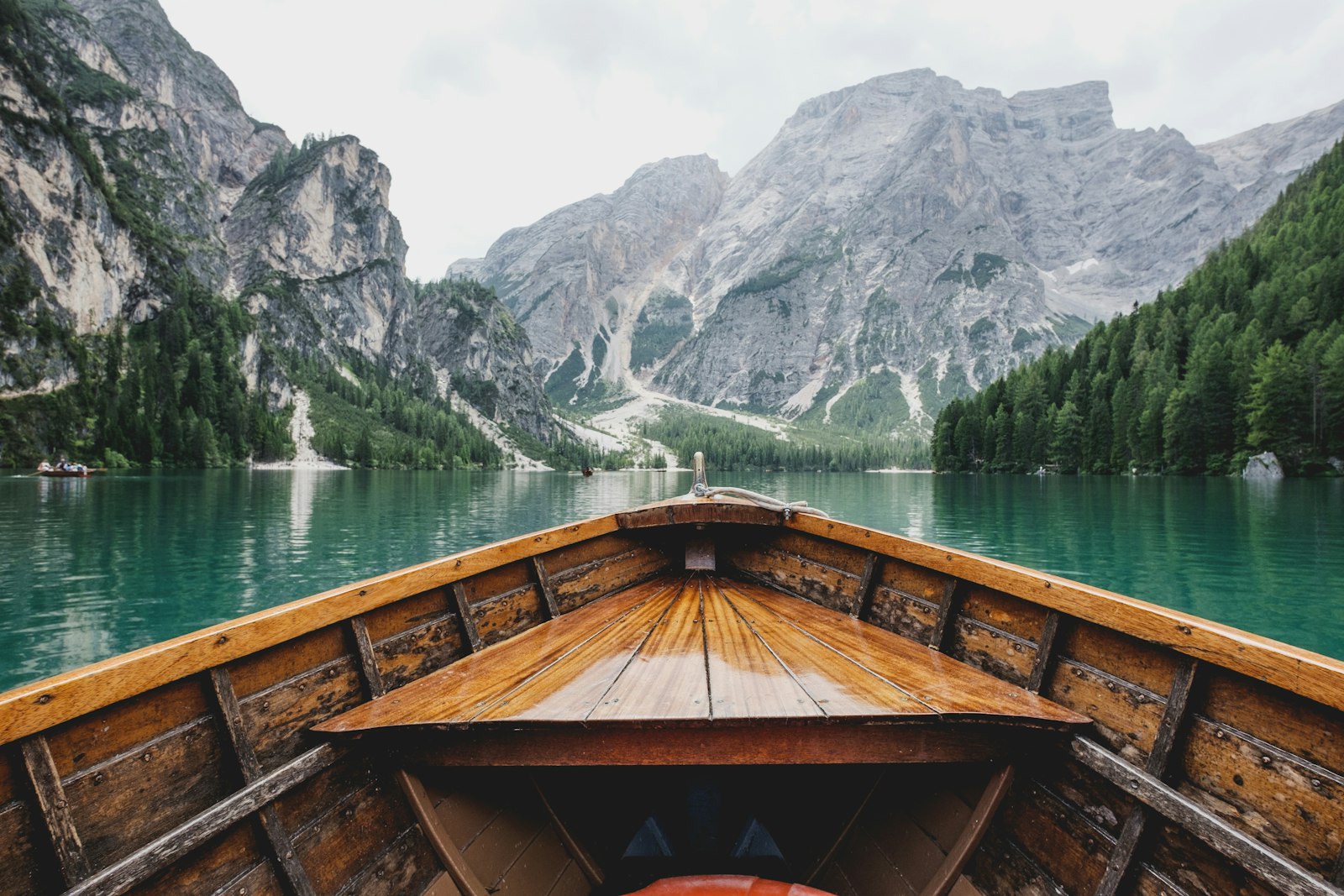
Rivers have carried explorers, traders, and pilgrims across every continent for thousands of years — and today they remain some of the most rewarding, varied, and underrated destinations a traveler can choose.
A river is rarely just a river. It is a border, a food source, a highway, a spiritual site, and an ecosystem all at once. Traveling along or on a river — whether by luxury cruise ship, wooden longboat, inflatable kayak, or simply on foot along a towpath — reveals landscapes and communities that roads and airports simply cannot reach. This guide walks you through everything you need to plan a river journey, from choosing your waterway to staying safe on the water.
Why Rivers Make Exceptional Travel Destinations
Rivers concentrate human life. Settlements, temples, markets, and farms cluster along riverbanks precisely because water is essential, and that density of culture and nature in a single linear corridor makes river travel uniquely efficient for curious travelers. A single day on the Mekong can take you past fishing villages, Buddhist temples, limestone karsts, and flooded rice paddies — geography and culture shifting with every bend.
Rivers also reward slow travel. Unlike a flight from city to city, moving along a river lets the landscape change gradually, giving travelers time to absorb transitions in climate, architecture, language, and cuisine. That slow pace is one of the strongest arguments for choosing river travel over other modes.
Choosing Your River: Matching Waterway to Traveler
The world's rivers vary enormously in character, accessibility, and what kind of experience they offer. A few broad categories help narrow the choice:
- Cultural and historical rivers: The Nile, Ganges, Rhine, Danube, and Yangtze have shaped civilizations for millennia. Travel here is layered with archaeology, religion, and living tradition. Organized cruises and well-developed riverbank infrastructure make them accessible to most travelers.
- Wilderness and expedition rivers: The Amazon, Congo, Yukon, and Brahmaputra demand more preparation, physical fitness, and often specialist guides. Rewards include extraordinary wildlife, remote indigenous communities, and genuine solitude.
- Adventure and whitewater rivers: The Zambezi below Victoria Falls, the Futaleufú in Chilean Patagonia, and the Sun Kosi in Nepal attract kayakers and rafters seeking technical challenge. These require guided trips and appropriate skill levels.
- Scenic and cycling-friendly rivers: The Loire Valley, the Elbe, and the Murray in Australia pair well with cycling or walking holidays, offering gentle scenery, good accommodations, and excellent food along paved or gravel paths.
Consider your pace, budget, physical ability, and appetite for infrastructure before committing. A Rhine river cruise and an Amazon expedition are both "river travel," but they share almost nothing in terms of planning or experience.
Ways to Travel a River
River Cruises
Purpose-built river cruise ships — typically carrying between 100 and 200 passengers — operate on major European, Asian, African, and South American waterways. They combine comfortable cabins, onboard dining, and guided shore excursions with the unique pleasure of waking up in a new port every morning. Itineraries range from one week to several months. Booking well in advance is advisable, especially for peak seasons and popular routes such as the Danube or the lower Mekong.
Local Ferries and Public Boats
On many rivers — particularly in Southeast Asia, South Asia, West Africa, and South America — public ferries and shared longboats serve as the primary transportation network for local communities. Traveling this way is cheaper, slower, and considerably more immersive than a cruise. Schedules can be unpredictable, comfort is basic, and language barriers are real, but the encounters with everyday life along the river are often the memories travelers cherish most.
Kayaking and Canoeing
Self-powered travel on calmer river sections offers total freedom over pace and stopping points. Many rivers have established multi-day paddling routes with designated campsites or guesthouses. Guided kayaking tours are available on most popular routes for those without their own equipment or local knowledge.
Walking and Cycling Riverside Routes
Towpaths, greenways, and long-distance walking trails parallel many of the world's most scenic rivers. Europe is particularly well-served by signed cycling routes along the Rhine, Danube, Loire, and Elbe. Walking the banks of a river at ground level — crossing bridges, stopping at waterside cafés, watching fishermen at work — is a deeply satisfying mode of river travel that requires no nautical skill at all.
Planning the Practicalities
River travel introduces logistical considerations that land-based itineraries do not.
- Seasonality matters enormously. Rivers flood, shrink, freeze, and change character with the seasons. The Amazon is navigable to some areas only during high water; parts of the Mekong become too shallow for larger boats in dry season; European rivers can be disrupted by both drought and flooding. Research the best time to visit your specific waterway before booking anything.
- Entry requirements and border crossings. Some river journeys cross international borders — the Danube passes through ten countries, and the Amazon basin spans nine. Visa requirements vary by nationality. Check official government travel advice and immigration portals well before departure. TravelerPulse.pro's /visas section is a useful starting point for organizing passport and visa research for multi-country river routes.
- Health and vaccinations. Tropical rivers in particular carry risks including malaria, dengue fever, waterborne illness, and schistosomiasis. Consult a travel medicine specialist or your national health authority well before travel — recommendations differ by destination and individual health profile.
- Travel insurance. Ensure your policy covers the specific activities you plan — whitewater rafting, for example, is excluded from many standard policies. Medical evacuation coverage is especially important on remote wilderness rivers far from hospitals.
What to Pack for River Travel
Packing for a river journey differs from packing for a city break or a beach holiday. The environment is wet, humid, and often variable in temperature between water and land.
- Dry bags and waterproof cases for electronics, documents, and anything that cannot get wet.
- Lightweight, quick-drying clothing — synthetics and merino wool perform better than cotton in humid, wet conditions.
- Sun protection: wide-brimmed hat, high-SPF sunscreen, UV-protective clothing. Open water amplifies sun exposure significantly.
- Insect repellent containing DEET or an effective alternative — riverbanks are prime mosquito habitat, especially at dawn and dusk.
- Sturdy water shoes or sandals with grip for wet boat decks and muddy banks.
- A lightweight rain layer — rivers generate their own microclimates and afternoon downpours can arrive without much warning.
- Portable water purification (filter or tablets) if you are traveling independently in remote areas.
Wildlife and Natural Environments
Rivers are among the planet's most biodiverse habitats. Freshwater ecosystems support a disproportionate share of global biodiversity relative to their size, and many of the world's most spectacular wildlife encounters happen along riverbanks or in the water itself.
River dolphins inhabit the Amazon and several Asian rivers. Hippopotamuses and crocodiles are permanent features of many African waterways. Birdlife along rivers — herons, kingfishers, eagles, storks — is typically exceptional. Travel slowly, keep noise low, and spend time at dawn and dusk near the water's edge for the best wildlife observations.
Respect for river ecosystems is a practical as well as ethical matter. Avoid single-use plastics on the water, use reef-safe or biodegradable sunscreens where possible, follow established guidelines around wildlife interaction, and support operators who demonstrate genuine environmental responsibility.
Cultural Etiquette and Community Respect
Many rivers pass through or originate in indigenous territories and deeply traditional communities. Research local customs before arriving — appropriate dress at riverside temples, protocols around photography, and acceptable behavior near sacred sites vary widely by culture and religion.
On rivers like the Ganges, Ayeyarwady, or Congo, the waterway itself holds profound spiritual significance for local communities. Travelers who approach these spaces with awareness and humility consistently report richer, more meaningful interactions than those who treat them as backdrops for content creation.
Safety on the Water
Water environments add a dimension of risk that deserves honest attention.
- Always wear a life jacket when operating or traveling in small boats, regardless of your swimming ability or how calm the water appears.
- Learn the river's specific hazards before you travel — flash floods, submerged rocks, strong currents, and boat traffic patterns differ by waterway.
- On remote rivers, travel with at least one other person, carry a means of emergency communication, and leave a detailed itinerary with someone reliable onshore.
- Never swim in unfamiliar river water without first checking local advice — currents, waterborne parasites, and predators are not always visible.
- If booking whitewater activities, use only reputable, licensed operators with certified guides and proper safety equipment.
Connecting Your River Journey with TravelerPulse.pro
Multi-stop river itineraries — particularly those crossing borders or combining several modes of transport — generate a lot of logistics. My Travel Hub on TravelerPulse.pro is designed to help travelers keep bookings, visa deadlines, packing lists, and day-by-day plans organized in one place, which is especially useful when a journey moves through multiple countries along a single river corridor.
Airport pages on the platform can also be helpful for the inevitable flight connections at either end of a river journey — checking terminal layouts, dining options, and transport links before arrival saves time and reduces pre-departure stress.
Frequently Asked Questions
Do I need special experience to take a river cruise?
No. River cruises on major routes — the Danube, Rhine, Mekong, Nile, and similar — are designed for travelers with no nautical background. The ships are stable, staff are experienced, and shore excursions are typically guided. Independent kayaking or paddling expeditions are a different matter and do require appropriate skill and preparation.
How far in advance should I book a river cruise?
Popular itineraries, particularly in Europe during spring and autumn, frequently sell out six months to a year in advance. Less-traveled routes and shoulder-season departures offer more flexibility. If a specific date or cabin category matters to you, booking early is strongly advisable.
Is river travel suitable for families with children?
It depends entirely on the river and the mode of travel. Many European river cruises welcome families and offer child-friendly excursions. Wilderness river expeditions require honest assessment of children's ages, fitness, and temperament. Cycling or walking riverside routes in well-developed regions can be excellent family trips, with plenty of opportunities for children to explore safely.
What is the environmental impact of river cruising?
Cruise ship emissions and waste management are legitimate concerns on any waterway. Some operators have invested in hybrid propulsion, shore-power connections, and waste treatment systems; others have not. Ask operators directly about their environmental practices, and look for independent certification where it exists. Traveling by kayak, bicycle, or on foot has a substantially lower environmental footprint.
Can I drink river water?
In virtually all cases, untreated river water should not be consumed directly. Even rivers that appear clean can carry bacteria, parasites, agricultural runoff, and industrial pollutants. Use bottled water, a quality filter, or purification tablets. On organized cruises and ferries, drinking water is generally provided — confirm this with your operator before departure.
Conclusion
Rivers offer a form of travel that is simultaneously ancient and endlessly fresh. Whether you are watching dawn mist rise from the Mekong on a slow boat northward through Laos, cycling a sun-dappled Loire Valley towpath between châteaux, or listening to the roar of whitewater building around a bend in the Zambezi, the river itself is always the main character. Plan carefully, travel respectfully, and give yourself enough time to let the current set the pace.


