 Translate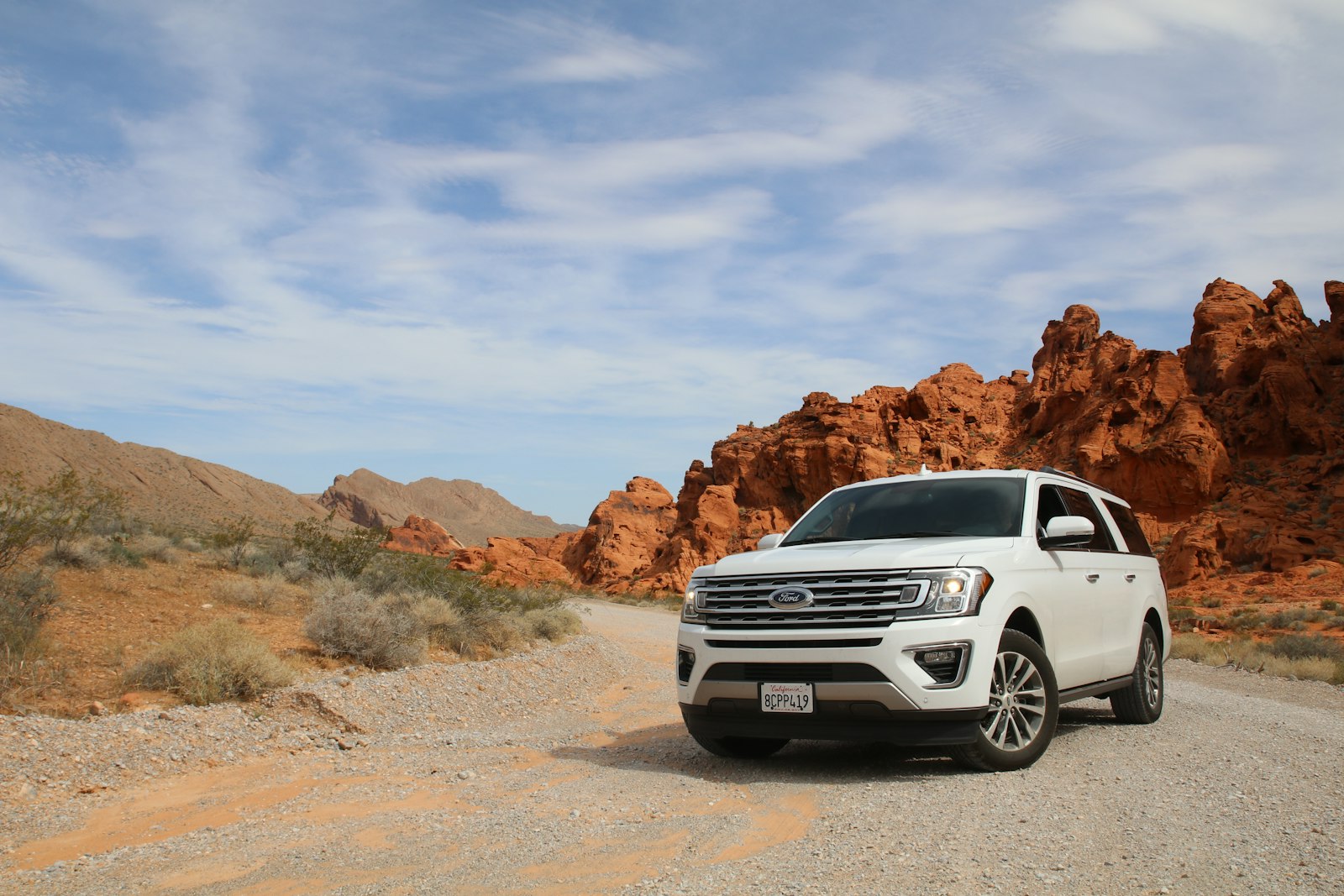
Rideshare apps make airport transfers and city travel easy — until you're standing on the curb with three suitcases and a driver in a compact sedan. Here's how to match your luggage to the right vehicle, manage oversized gear, and avoid the friction points that can derail a ride before it starts.
Why Luggage Planning Matters for Rideshare
Most rideshare trips work fine with a backpack or carry-on. But travelers with checked-bag loads, sports equipment, or strollers frequently discover that the standard rideshare experience wasn't designed around serious luggage. Drivers can decline trips if they feel their vehicle will be damaged or overwhelmed, and riders who don't plan ahead can face cancellations, tight fits, or extra fees.
A few minutes of planning — choosing the right vehicle tier, communicating clearly, and understanding what platforms allow — saves real headaches at the airport curb.
Know Your Vehicle Tiers Before You Book
Every major rideshare platform offers multiple vehicle categories, and trunk capacity varies significantly between them. While exact category names differ by app and city, the general tiers work like this:
- Economy / Standard: Typically a compact or midsize sedan. Good for one or two soft-sided bags and personal items. A full load of checked luggage is a tight squeeze.
- Comfort / Extra Space: Usually a larger sedan or crossover. Noticeably more trunk room and rear legroom. A reasonable default for one traveler with two full-size suitcases.
- SUV / XL: A full-size SUV or minivan. Designed for groups or heavy luggage loads. If you're traveling with a family, ski bags, or multiple checked suitcases, book this tier.
- Luxury / Black: High-end sedans or SUVs. Trunk space varies by vehicle; don't assume a luxury sedan handles more bags than a standard SUV.
Before booking, open the app and count your bags. If in doubt, size up — the fare difference between Comfort and XL is usually modest compared to the cost of a cancelled ride and a re-booking wait.
Counting and Sizing Your Luggage Honestly
Rideshare trunks are not airline cargo holds. A useful rule of thumb: one checked-size suitcase (about 27–29 inches) takes roughly the same trunk space as two carry-ons. When estimating what will fit, be honest about:
- Number of bags: Count everything — checked bags, carry-ons, backpacks, personal items, shopping bags from your trip.
- Hardshell vs. soft-sided: Hard-shell suitcases don't compress or flex. If you're packing a trunk with multiple bags, soft-sided cases fill gaps more easily.
- Irregularly shaped items: Golf bags, guitar cases, and bike boxes often require SUV or XL vehicles regardless of overall volume.
- Passenger count: Every passenger in the back seat reduces the space available for bags that won't fit in the trunk.
Oversized and Specialty Items
Standard rideshare vehicles are not equipped for every piece of gear a traveler might carry. Some items require special handling or alternative transport entirely:
- Bicycles: Most standard vehicles cannot accommodate a bicycle even partially disassembled. Some platforms allow drivers to opt in to oversized item requests, but availability is limited. A cargo taxi, van service, or dedicated bike courier is usually more reliable.
- Surfboards and skis: Roof racks are not standard rideshare equipment. Unless you have confirmed a vehicle with a rack, these items won't travel on top. A padded ski bag may fit diagonally in a large SUV, but call ahead or use the app's notes feature to alert the driver.
- Golf bags: A single golf bag often fits in a full-size SUV trunk. Two bags reliably require an XL or van-style vehicle.
- Strollers and car seats: Full-size strollers typically fold and fit in most SUV trunks. Car seat policies vary by platform and local law — check your platform's safety guidelines and your destination's regulations before assuming a seat will be provided.
- Wheelchairs and mobility devices: Many platforms have dedicated accessible vehicle options. Folding manual wheelchairs fit in standard trunks; power wheelchairs require a vehicle with a ramp or lift. Book accordingly and contact support if you need assistance confirming availability.
Using the App's Notes and Communication Features
Most rideshare apps allow you to add a note to your driver before or shortly after booking. Use it. A brief, specific message — "Two large suitcases and two carry-ons, heading to the airport" — gives the driver a chance to confirm they can help or, in rare cases, cancel before you're waiting at the curb. This is far better than a surprise on arrival.
If the app doesn't have a notes field for your region, some drivers' phone numbers become visible once they accept the trip. A short call or text is appropriate if you're carrying an unusual load.
Airport Pickup Logistics
Airport rideshare pickups have their own layer of complexity that goes beyond luggage. Most major airports now designate specific rideshare pickup zones, often separate from taxi and hotel shuttle areas. Arriving passengers frequently waste time waiting at the wrong curb.
- Check your airport's rideshare zone on the airport's official website or on TravelerPulse.pro's airport pages before you land — many airports have moved pickup areas in recent years.
- Don't request your ride from baggage claim. Request it once you're walking toward the pickup zone, so the driver's arrival aligns with yours.
- At busy airports, driver wait times in the rideshare lot are limited. A driver who can't find you quickly may cancel. Keep your phone accessible and watch the driver's location on the map.
- Curbside drop-off for departures is generally simpler, but during peak hours traffic enforcement officers move vehicles along quickly. Be ready to unload fast.
Driver Etiquette When You Have Luggage
A little courtesy goes a long way and can affect whether a driver helps you load or simply pops the trunk and waits.
- Help load and unload: Drivers are not required to handle your luggage, and many won't. Lift your own bags whenever possible. If you need assistance, ask politely — most drivers will help with heavy items when asked nicely.
- Protect the vehicle: Hard-shell wheels scratch interior panels. Slide bags in carefully, and avoid placing wet or muddy gear directly on seat upholstery.
- Consolidate before the driver arrives: Have your bags gathered and ready. A driver circling a busy pickup zone while you rearrange your luggage is a fast way to earn a poor rating.
- Tip for heavy loads: Tipping is not mandatory on rideshare platforms, but drivers who help load significant luggage — especially at airports — generally appreciate it. In-app tipping is standard practice.
When a Standard Rideshare Isn't the Right Tool
Some luggage situations genuinely call for a different solution. Consider alternatives when:
- You have more than four large suitcases and are traveling with others who also need seating.
- Your gear includes items that could damage a vehicle interior (wet sports gear, construction materials, loose liquids).
- You're traveling with a group that fills a standard vehicle, leaving no room for bags at all.
In these cases, look at minivan taxi services, black car companies that specialize in airport transfers, or luggage forwarding services that ship bags to your destination ahead of your arrival. Many hotels also offer luggage storage if you arrive before check-in and want to explore hands-free.
Luggage Forwarding and Storage as Alternatives
For heavy travelers, luggage forwarding — shipping bags directly from home to hotel, or between hotels — can eliminate the rideshare luggage problem entirely. Services exist in most major travel markets, and many airlines partner with forwarding companies for international travel. Costs and transit times vary significantly, so book early and confirm pickup/delivery windows against your itinerary.
Short-term luggage storage at airports, train stations, and in city centers has expanded considerably through dedicated locker networks and app-based storage services. If your rideshare situation is complicated by timing rather than volume, storing bags for a few hours and traveling light can be the simplest fix.
Keeping It All Organized
Juggling rideshare bookings, flight times, and bag counts across a multi-leg journey can get complicated. TravelerPulse.pro's My Travel Hub lets you keep your ground transport, flights, and accommodation details in one place — useful when you need to cross-reference your pickup time against a flight arrival or confirm which terminal your rideshare zone is in.
Frequently Asked Questions
Can a rideshare driver refuse my trip because of luggage?
Yes. Drivers are generally independent contractors and can decline a ride if they believe the luggage exceeds what their vehicle can safely carry, or if they're concerned about damage to their vehicle. Booking the appropriate vehicle tier and communicating your load in advance reduces the chance of this happening.
Will I be charged extra for having a lot of luggage?
Standard rideshare fares are not typically calculated by luggage weight or count. However, if you book an XL or SUV tier to accommodate your bags, you'll pay that tier's rate, which is higher than economy. Some platforms have experimented with add-on luggage fees in certain markets — check your local platform's pricing page for current details.
What happens if my luggage doesn't fit and the driver cancels?
You'll need to rebook, usually at the same or a higher vehicle tier. If the driver cancels, most platforms will not charge a cancellation fee to the rider. However, you may face a wait for the next available vehicle, which is especially painful during airport rush periods. The prevention is always better: size up your vehicle tier before booking.
Are there rideshare options specifically designed for airport transfers with luggage?
Some platforms offer dedicated airport or scheduled ride products that allow you to specify passenger and bag counts in more detail than a standard on-demand booking. Traditional black car and town car services, bookable through separate apps or hotel concierges, often provide more luggage flexibility and a driver accustomed to handling bags. Compare both options based on your needs and budget.
Is it safe to put valuables in the trunk during a rideshare?
Trunks in rideshare vehicles are not secured storage. Keep your most valuable items — laptop, medications, travel documents, electronics — with you in the passenger cabin rather than in the trunk. In the rare event of a dispute or a driver error, items left in a trunk are harder to recover quickly.
The Bottom Line
Rideshare and luggage are a perfectly workable combination when you plan ahead. Match your vehicle tier to your actual bag count, communicate with your driver, and know when an alternative — a larger vehicle, a luggage forwarding service, or a storage locker — is the smarter call. The drivers who serve airport routes deal with luggage all day; a prepared, courteous passenger with the right vehicle type makes everyone's experience better.



