Translate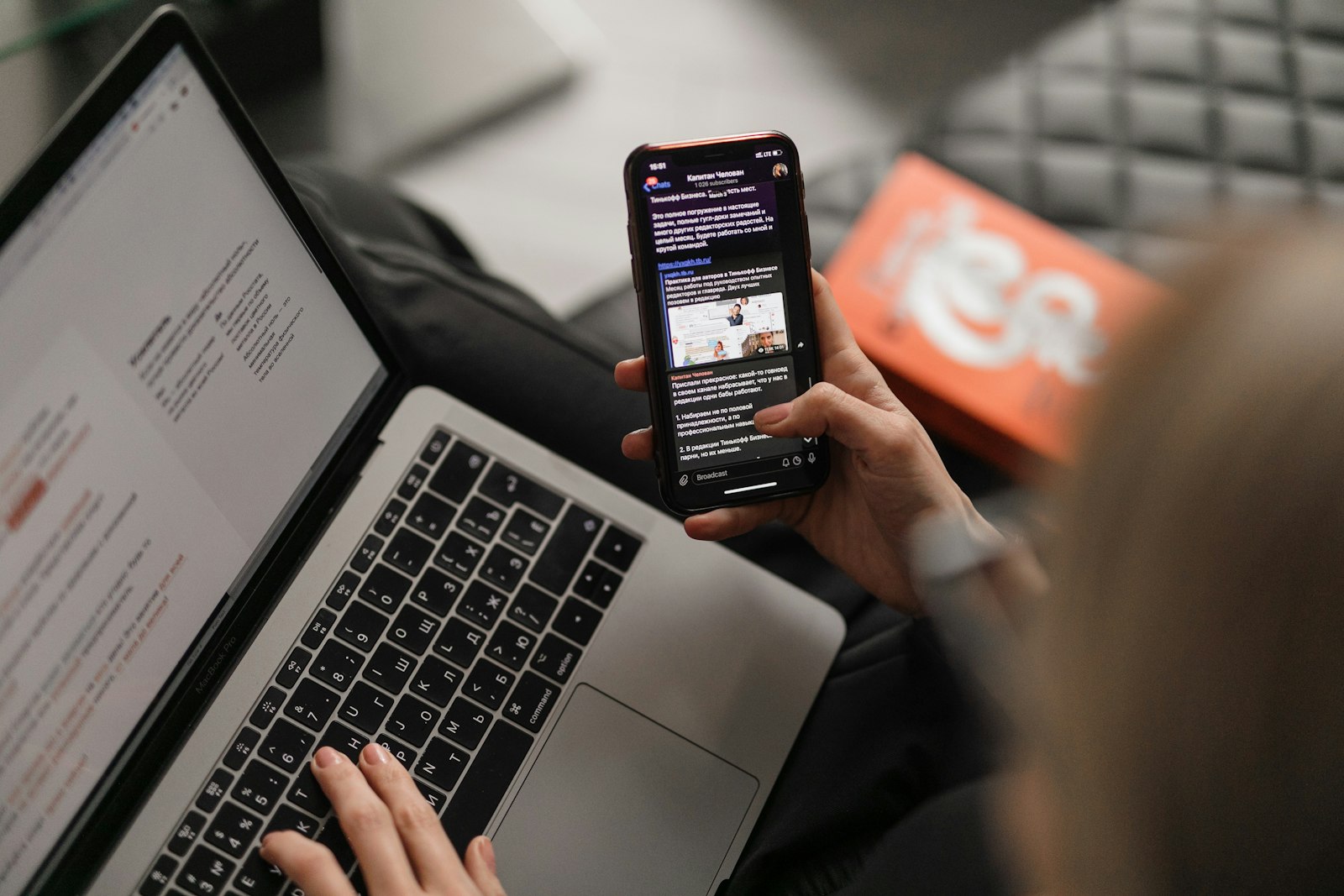
Knowing how to find and use a pharmacy abroad — before you actually need one — is one of the most practical safety skills any traveler can develop, whether you're crossing a border for a weekend or spending months on the road.
Why Pharmacies Deserve a Place in Your Pre-Trip Planning
Most travelers think about travel insurance, visas, and packing lists. Far fewer spend five minutes thinking about what they would do if they ran out of a critical medication, developed an infection, or needed basic wound care in an unfamiliar city. A pharmacy is often the fastest, most affordable first point of contact for minor medical issues abroad — and in many countries, pharmacists have broader prescribing authority than travelers expect.
Planning ahead costs you almost nothing. Knowing the local word for "pharmacy," understanding how prescriptions work across borders, and carrying a few key documents can turn a potential crisis into a minor inconvenience.
How to Identify a Pharmacy in Any Country
The universal symbol for a pharmacy is a green cross, used widely across Europe, Latin America, and beyond. In some regions you'll see a red cross or a snake-and-cup symbol (the Bowl of Hygieia). The local word for pharmacy varies by language, but a few of the most useful include:
- Pharmacie / Farmacia / Farmácia — French, Italian/Spanish, Portuguese
- Apotheke — German, Dutch (Apotheek)
- Аптека (Apteka) — Russian, Ukrainian, and several Slavic languages
- 薬局 (Yakkyoku) — Japanese
- 药店 (Yàodiàn) / 藥房 (Yào fáng) — Mandarin Chinese
- Eczane — Turkish
A quick search before you travel — noting the term in your destination's language — takes thirty seconds and can save real stress later.
Finding a Pharmacy When You Need One
In most cities and towns, pharmacies are easy to find. Several approaches work well:
- Ask at your hotel or accommodation. Front desk staff almost always know the nearest pharmacy and its hours.
- Use Google Maps or Apple Maps. Search "pharmacy" or the local term — both apps surface nearby options with hours and reviews.
- Look for duty pharmacies. In many countries, pharmacies rotate overnight and weekend "on-call" coverage (called pharmacie de garde in France, farmacia de guardia in Spain). A notice posted on any closed pharmacy door typically lists the nearest open one.
- Check hospital or clinic entrances. Hospitals in most countries have an on-site or adjacent pharmacy open extended hours.
- Use your travel insurance app. Many travel insurance providers offer 24/7 assistance lines or apps that can direct you to approved medical facilities and pharmacies.
Prescriptions Across Borders: What to Expect
This is where many travelers run into unexpected friction. Prescription rules vary enormously by country — a medication dispensed freely over the counter in one place may be strictly controlled in another, and vice versa.
Carry your original prescription and packaging. Even when the prescription isn't technically required at the foreign pharmacy, presenting a legible original (ideally with the generic/international nonproprietary name of the drug, not just a brand name) gives the pharmacist the best chance of helping you. Generic names are recognized far more widely than brand names, which differ country by country.
Foreign prescriptions are not universally accepted. Many countries do not legally allow their pharmacists to fill a prescription written by a doctor in another country. In practice, policies vary widely — some pharmacists will use your existing prescription as a reference and issue a local equivalent, while others will direct you to see a local doctor first. Do not assume your home prescription will simply be honored.
Controlled substances require special care. Medications classified as controlled substances (certain painkillers, anxiety medications, ADHD treatments, and others) face the strictest cross-border restrictions — both for import/export and for pharmacy dispensing. Research your specific medications before travel and consult the embassy of your destination country if in doubt. Carrying a letter from your prescribing physician on official letterhead, explaining your diagnosis and treatment, is strongly recommended.
For country-specific import rules on medications, always check official government sources — your home country's foreign affairs or health ministry, and the destination country's health regulatory authority.
Communicating Your Needs Without a Shared Language
Language barriers are real, but pharmacists worldwide are accustomed to working with travelers. A few strategies make a significant difference:
- Show, don't just say. Display your medication packaging, a photo of the pill, or your prescription rather than trying to describe it verbally.
- Use the generic drug name. Paracetamol, ibuprofen, amoxicillin — these names are recognized internationally far more reliably than brand names like Tylenol or Motrin.
- Use a translation app. Google Translate and similar apps can render your symptom or request in the local language. Many now offer real-time camera translation — useful for reading labels.
- Write it down. A written note is often easier for a pharmacist to process than spoken foreign-language attempts.
- Point to your body. For symptoms, pointing to the affected area combined with a basic expression (a translation app word for "pain," "rash," "swelling") usually gets your meaning across.
Over-the-Counter Medications: Availability Differs Widely
One of the most consistent surprises for travelers is discovering that the OTC remedies they rely on at home may be prescription-only elsewhere, unavailable under any brand name they recognize, or sold in different formulations and doses.
Common examples of variation include antihistamines, codeine-containing products, certain antifungals, and some gastrointestinal medications. In some countries, pharmacists can counsel you and dispense certain drugs that require a doctor visit at home — which can actually work in your favor for straightforward ailments like ear infections or mild urinary tract infections.
The practical takeaway: carry a reasonable personal supply of the OTC medications you rely on regularly (pain relief, antihistamines, antidiarrheals, antacids) in your checked luggage, and keep a small supply in your carry-on for flights. Don't assume you'll find your exact product abroad.
Reading Foreign Medication Labels
If you purchase medication at a foreign pharmacy, you will likely receive a package with instructions in the local language. Before you leave the counter, ask the pharmacist — or use a translation app — to confirm:
- The correct dose and frequency
- Whether to take it with food or water
- Any major side effects or interactions to watch for
- Whether driving or alcohol is affected
Do not guess at dosing instructions, especially for children's medications where weight-based dosing is critical.
Traveling With Prescription Medications: Key Preparations
Before departure, take these steps to protect yourself:
- Carry enough supply. Bring more than you think you need — allow for trip extensions, delays, and the possibility that a replacement cannot be sourced.
- Split your supply. Keep part of your medication in your carry-on bag and part in checked luggage, so a lost bag doesn't leave you without any.
- Keep medications in original containers. Original, labeled packaging helps at customs, border crossings, and pharmacies abroad.
- Carry a physician's letter. For any significant medication — especially controlled substances, injectables, or unusual treatments — a signed letter from your doctor on official stationery can smooth customs interactions and pharmacy conversations.
- Know the generic names. Write a list of all your medications using international nonproprietary names (INNs), which your doctor or pharmacist at home can provide.
- Research customs rules. Some medications are outright prohibited in certain countries regardless of your prescription. Check official embassy and customs sources for your destination before you travel.
You can track all your trip documents and preparation notes in one place using the My Travel Hub on TravelerPulse.pro, which keeps your journey organized from planning through return.
When a Pharmacy Isn't Enough
Pharmacists are highly trained and a valuable first resource, but they are not emergency physicians. Seek a doctor or hospital emergency department — not just a pharmacy — if you experience:
- Chest pain, difficulty breathing, or suspected cardiac symptoms
- Signs of a severe allergic reaction (throat swelling, hives spreading rapidly, dizziness)
- High fever that doesn't respond to standard measures within a reasonable timeframe
- Significant injury, suspected fractures, or deep wounds
- Symptoms consistent with a serious infection (confusion, extreme weakness, rapidly worsening condition)
- Any situation where you feel genuinely unsafe waiting
When in doubt, err on the side of seeking professional medical evaluation. Travel insurance with emergency medical coverage can make this decision much easier — financially and logistically.
Medication and Customs: Entering and Exiting Countries
Customs regulations around medications are enforced seriously in many countries. Narcotics, certain psychiatric medications, and even some common drugs (pseudoephedrine-containing cold remedies, for example) face strict controls or outright bans in specific destinations. Always research your specific medications against the rules of every country you plan to enter, not just your final destination — transit countries count too.
For authoritative information on what you can bring into or out of any country, consult official government and embassy sources. Your home country's foreign affairs ministry often publishes destination-specific health and medication advisories, and TravelerPulse.pro's /visas and country information pages can point you toward relevant official resources for your destination.
Practical Items to Include in a Travel Health Kit
Reducing pharmacy dependency starts with a well-assembled personal kit. Consider packing:
- Pain reliever and fever reducer (your preferred type, in original packaging)
- Antihistamine for allergies or reactions
- Antidiarrheal medication
- Oral rehydration salts
- Antiseptic wipes and basic wound care supplies
- Blister treatment
- Any prescription medications, with extras
- Sunscreen and insect repellent appropriate to your destination
- A printed medication list with generic names and doses
Frequently Asked Questions
Can I use my home country's prescription at a pharmacy abroad?
It depends entirely on the destination country's regulations. Some countries allow pharmacists to use a foreign prescription as a reference; many do not legally permit it. In practice, carrying your original prescription significantly helps the pharmacist understand your needs even when they cannot legally fill it directly. For ongoing treatment, seeing a local doctor to obtain a local prescription is often the most reliable path.
What if I lose all my medication while traveling?
Contact your travel insurance assistance line first — they can often coordinate with local medical providers. Next, visit a local doctor who can evaluate you and issue a local prescription. Your home physician's office may also be able to send documentation that assists local providers. For controlled substances, replacement is significantly more complicated and may require contacting your country's embassy or consulate for guidance.
Are pharmacies in other countries safe and reliable?
Pharmacies operating legally in most countries are staffed by trained professionals and carry quality-regulated products. As with any country, stick to established, clearly identified pharmacies rather than informal vendors. If you have doubts about a product's authenticity, particularly for antiparasitic, antimalarial, or antibiotic medications in regions where counterfeit drugs have been reported, purchase from a pharmacy affiliated with a recognized chain or hospital where possible.
Is it cheaper to buy medications abroad?
In many countries, yes — sometimes significantly so. However, price should not be the primary driver of purchasing decisions. Verify that the product you're buying is the correct medication, dose, and a legitimate product. Bring enough of your critical medications from home to avoid having to source them abroad under pressure.
The Bottom Line
Pharmacies abroad are genuinely accessible and useful resources — often more so than travelers expect. The keys to using them confidently are preparation (knowing generic drug names, carrying documentation, researching destination-specific rules) and realistic expectations (prescriptions may not transfer, exact products may not exist). Take thirty minutes before any international trip to think through your medication needs, assemble a basic health kit, and note how to find a pharmacy at your destination. That small investment of time can make an enormous practical difference when you actually need it.