 Translate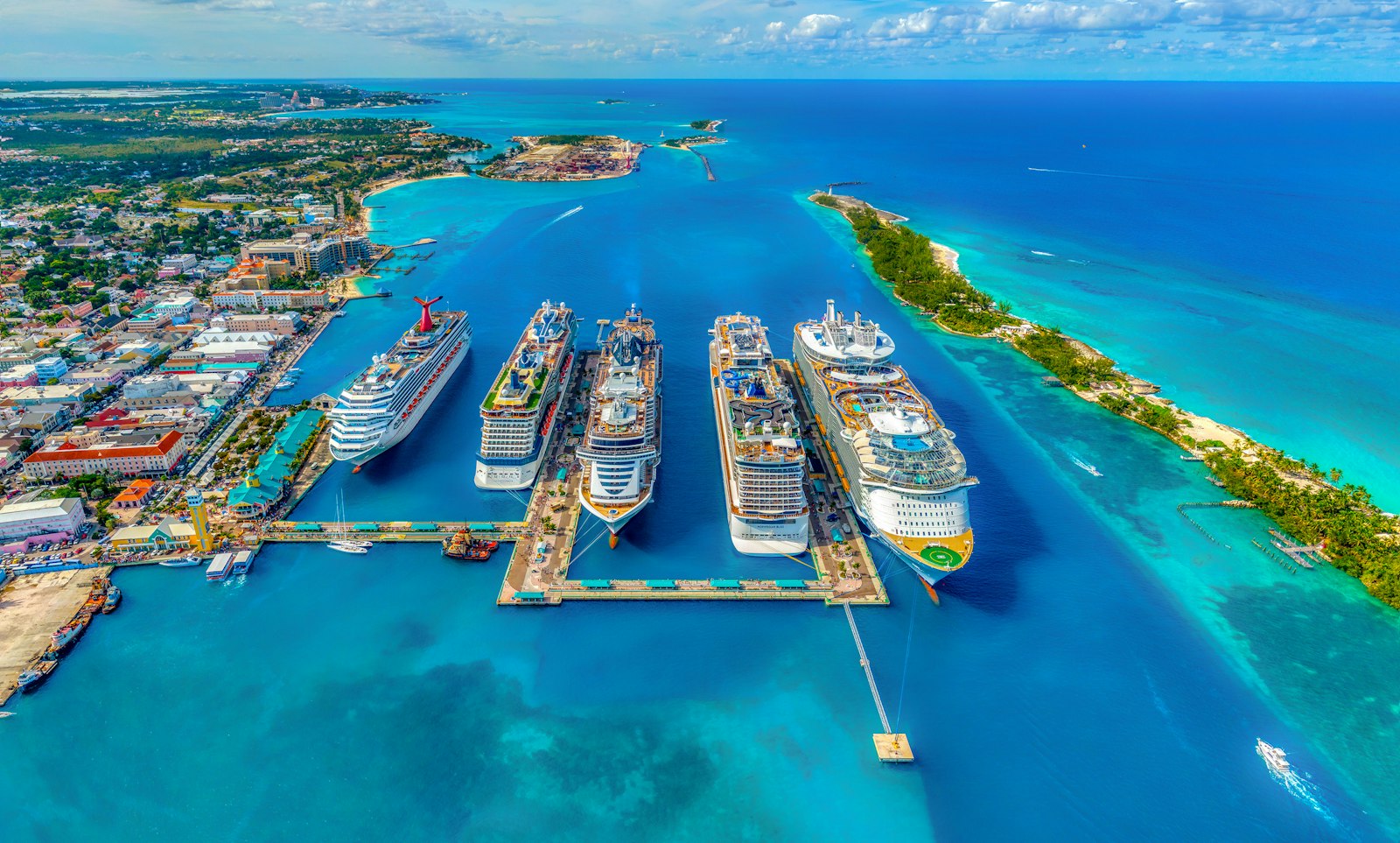
Ocean cruises and river cruises both let you unpack once and wake up somewhere new each day — but the similarities largely end there. This guide compares both styles across every dimension that matters, so you can book with confidence.
Why the Choice Matters More Than You Might Think
Many first-time cruisers assume a cruise is a cruise. In reality, choosing between an ocean ship and a river vessel shapes nearly everything: the size of your cabin, how far you walk to reach a city center, what you eat, who you meet, and how much you spend. Getting this decision right from the start saves real money and frustration.
Both formats have passionate repeat fans. The goal here is not to crown a winner but to give you an honest map of each experience so you can match one to your own travel style.
Ships and Scale: A Study in Contrasts
The physical difference between an ocean ship and a river vessel is striking. Large ocean cruise ships can carry several thousand passengers and crew, towering multiple stories above the waterline. They are, in effect, floating resorts with casinos, theaters, water parks, multiple pools, and dozens of dining venues.
River ships are engineered around a hard constraint: they must pass under low bridges and through narrow locks. Most carry between 100 and 200 passengers and sit low and flat on the water. There are no atriums, no wave pools, and no sprawling entertainment complexes. What they offer instead is intimacy and access — docking directly in city centers that large ships can never reach.
Destinations and Itineraries
Ocean cruises connect the world's coastlines and island chains. Caribbean loops, Mediterranean grand tours, Alaska glacier voyages, transatlantic crossings, and full world circumnavigations are all within the ocean cruise portfolio. Ports of call are typically large enough to absorb thousands of visitors simultaneously, which means organized excursion buses, busy port-area markets, and sometimes a walk or shuttle ride from ship to city center.
River cruises are tied to the waterways of specific regions. Europe's Rhine, Main, Danube, Seine, and Douro rivers are the most established routes. Beyond Europe, the Mekong in Southeast Asia, the Nile in Egypt, the Amazon in South America, and the Irrawaddy in Myanmar are popular options, each with its own character. Because river itineraries are geographically compact, they tend to go deep rather than wide — multiple stops in a single country or cultural corridor rather than island-hopping across an ocean.
A practical advantage of river itineraries: you dock in the heart of towns and cities. In many ports you simply walk off the ship and straight onto a cobblestone square. No tendering, no shuttle.
Onboard Experience
On an ocean ship, the vessel itself competes for your attention with the ports. Many passengers spend sea days exploring onboard amenities: specialty restaurants, live shows, spa treatments, fitness classes, and activity programming that can fill a full day without ever looking at the ocean. Ships are designed to be destinations in their own right.
On a river ship, the view is the entertainment. Panoramic lounges and open-air sun decks are positioned so passengers can watch castles, vineyards, gorges, and medieval towns glide past continuously. Evenings typically feature a single lounge with a pianist or local performer, a cooking demonstration, or a guest lecturer on the region's history. The pace is quieter and the focus stays outward.
Neither approach is superior — they satisfy fundamentally different moods. If you want a lively, resort-style vacation with plenty of onboard entertainment, ocean cruising is the stronger fit. If you want focused cultural immersion and conversation with fellow travelers, a river ship delivers that naturally.
Cabin Size and Comfort
Ocean cruise cabins range from compact interior rooms with no window to expansive suites with private balconies. The mid-range balcony cabin is the most popular category on modern ships. Cabins can vary enormously even within the same ship, so cabin selection matters.
River cruise cabins are smaller by necessity — the hull width is fixed. However, most contemporary river ships have invested heavily in stateroom quality, with French balconies (floor-to-ceiling sliding glass doors that open to a railing but no walkout deck), good storage, and well-appointed bathrooms. You will likely have less square footage than on a mid-range ocean ship, but the difference is offset by spending most of your time ashore or in the shared lounge.
Dining
Large ocean ships offer abundant choice: main dining rooms, buffets, and a roster of specialty restaurants covering steakhouses, Asian cuisine, Italian trattorias, and more — some included, some at a surcharge. Dining hours are typically flexible.
River cruise dining is usually all-inclusive and served in a single dining room with open seating. The upside is that meals are often regionally focused, with local wines, cheeses, breads, and seasonal ingredients featured prominently. Some river lines incorporate cooking demonstrations and market visits as part of the cultural programming. The trade-off is less variety; you eat what is served, though most ships accommodate dietary restrictions with advance notice.
Pricing and What's Included
Pricing structures differ significantly and affect how you should compare options.
- Ocean cruises often advertise lower base fares, but gratuities, beverage packages, specialty dining, shore excursions, Wi-Fi, and spa access frequently add up to a substantial additional cost. Budget carefully before assuming the headline price is close to total cost.
- River cruises generally use a more all-inclusive model. Many lines include shore excursions, wine and beer with meals, gratuities, and Wi-Fi in the base fare. The upfront price looks higher, but the final out-of-pocket total is often closer to the ocean equivalent than it first appears.
In general, river cruising skews toward the premium end of the market. Budget and value-focused options are more plentiful in ocean cruising. Policies and inclusions vary widely by line, so read the fine print for any itinerary you are seriously considering.
Who Travels Each Style
Ocean cruises attract an extraordinarily broad demographic — young families, honeymooners, groups of friends, retirees, and solo travelers all find niches on large ships. Family-oriented lines offer dedicated kids' clubs and teen programs. Adults-only ships exist for those who prefer a quieter atmosphere.
River cruises historically skewed toward older, experienced travelers, but that is shifting. Cultural travelers, wine enthusiasts, history lovers, and couples without young children now make up a large share of river cruise passengers. That said, most river ships do not have children's programming, and the pace and focus may not suit younger kids.
Motion, Seasickness, and Health Considerations
Ocean cruising means open water, and open water means swells. Modern large ships use stabilizers that significantly reduce rolling, but passengers prone to motion sickness should still plan ahead with physician-approved remedies and choose itineraries with shorter sea days if possible. Rough crossings — the Drake Passage to Antarctica, the North Atlantic in winter — can be genuinely challenging even for seasoned sailors.
Rivers, by their nature, are calm. Motion sickness is rarely an issue. This makes river cruising a strong option for travelers who love the idea of a cruise but have struggled with seasickness in the past.
Health and vaccination requirements vary by destination regardless of cruise type. Always check official government travel advisories and consult your physician well before departure. TravelerPulse.pro's /visas section can help you get oriented on entry requirements for the countries on your itinerary.
Booking Timing and Practical Planning
River cruise inventory is limited by the small number of cabins on each ship. Popular European summer sailings — particularly Rhine and Danube routes — can sell out six months to a year in advance. Book early if you have specific dates or a preferred cabin category.
Ocean cruises generally offer more last-minute flexibility, though popular holiday sailings and new-ship itineraries also fill quickly. Many ocean lines run promotions that add perks rather than discounting fares outright, so watch for added-value deals rather than just the lowest base price.
Use TravelerPulse.pro's My Travel Hub to keep your booking confirmations, passport details, and pre-cruise checklist organized in one place — especially useful when coordinating flights, transfers, and pre- or post-cruise hotel stays.
Frequently Asked Questions
Can I combine an ocean cruise and a river cruise in one trip?
Yes, and many itineraries are designed to do exactly that. Some cruise lines offer hybrid packages — an ocean crossing followed by a river segment, or vice versa. Independent travelers also combine the two by booking separately and building in a few days in a hub city between legs. The combination is particularly popular in Europe, where transatlantic arrivals can connect to Danube or Rhine river sailings.
Which is better for solo travelers?
Both work for solo travelers, but with different dynamics. Ocean ships typically charge a solo supplement (sometimes 50–100% above the per-person double-occupancy rate) unless the line offers dedicated single cabins or waived supplement promotions. River lines also charge solo supplements, but the small ship environment tends to foster quicker social connections. Meals at shared tables are common on river ships, making it easier to meet fellow passengers naturally.
Are river cruises suitable for passengers with mobility limitations?
River ships present specific challenges: gangways at port can be steep or require stepping across other vessels moored alongside yours. Cobblestoned historic centers — the very places river itineraries highlight — can be difficult to navigate with a wheelchair or walker. That said, many river lines have made accessibility improvements, and some ports are more accessible than others. Contact the cruise line directly, ask specific questions about each port stop, and review the itinerary dock-by-dock before booking.
What happens if water levels are too high or too low on a river cruise?
River water levels fluctuate seasonally and can affect itineraries. Very low water may prevent a ship from reaching certain ports; very high water can make passing under bridges impossible. When this happens, lines typically substitute motorcoach transfers to maintain the advertised ports. It is an occasional reality of river cruising, not a rarity. Ask your cruise line about its contingency policy before booking.
Making Your Decision
The clearest way to choose: think about what you want most from a vacation. If you want variety, onboard entertainment, and the ability to visit far-flung corners of multiple continents, an ocean cruise gives you scope and scale. If you want to go deep into a specific region, wake up in historic town centers, and travel in a relaxed, culturally focused environment, a river cruise is likely the better match.
Neither choice is wrong. Many travelers eventually fall in love with both and find ways to fit each into their travel calendar for different reasons. Start with the style that sounds more like you right now — and go from there.



