 Translate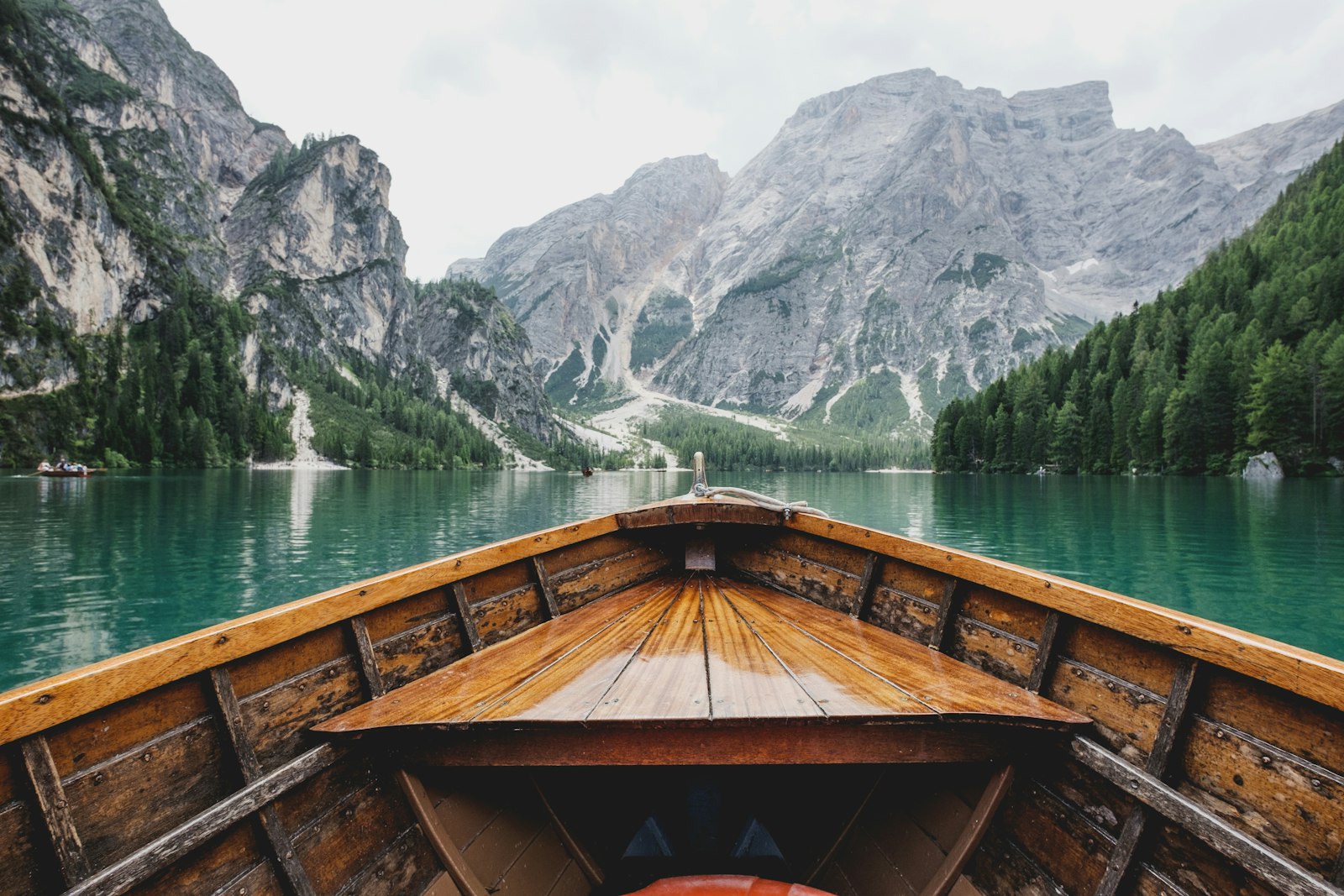
Lakes span every continent and climate zone, offering travelers dramatic scenery, rich ecosystems, cultural history, and outdoor adventure — this guide introduces the world's great lake regions, explains what sets each type apart, and gives practical advice for planning a visit.
Why Lakes Deserve a Place on Your Travel List
Oceans get the headlines, but lakes quietly deliver some of travel's most memorable experiences. A mountain lake at dawn, mirror-flat and ringed by peaks, can be as breathtaking as any coastline. Ancient rift lakes hold waters so deep and old they have evolved fish found nowhere else on Earth. Crater lakes glow in colors that seem digitally enhanced until you see them yourself. And unlike many iconic natural wonders, lakes are often accessible, affordable, and wonderfully uncrowded outside of peak season.
Lakes also anchor cultures. Communities have fished, traded, and built civilizations on their shores for millennia. Visiting a lake frequently means visiting a living landscape — boats working at dawn, floating markets, festivals tied to seasonal water levels, and cuisine built entirely around what the water provides.
Understanding the Major Types of Lakes
Not all lakes are created equal. Knowing what kind of lake you are visiting shapes your expectations and your itinerary.
- Tectonic and rift lakes: Formed by the movement of Earth's plates, these are often extraordinarily deep and ancient. Lake Baikal in Siberia and the East African Rift lakes — Tanganyika, Malawi, Victoria — are prime examples.
- Glacial lakes: Carved by retreating glaciers and fed by snowmelt, these tend to have the clearest, coldest, most vividly colored water. Patagonia, the Canadian Rockies, the Alps, and Scandinavia are full of them.
- Crater lakes: Formed inside volcanic calderas, they can display striking colors and chemical properties. Crater Lake in Oregon and Kelimutu in Indonesia are well-known examples.
- Oxbow and floodplain lakes: Created when rivers change course, these shallow, biodiverse waters are critical wildlife habitats, common throughout the Amazon Basin and the Mekong floodplains.
- Salt lakes: Where water has no outlet, minerals concentrate over time. The Dead Sea, the Caspian Sea, Utah's Great Salt Lake, and Bolivia's Salar de Uyuni (a salt flat formed from a prehistoric lake) each offer a completely different sensory experience.
- Reservoir lakes: Human-made but often scenic and fully developed for recreation. Many attract serious watersports communities and serve as gateways to surrounding wilderness.
Iconic Lake Regions of the World
The Great Lakes of East Africa
Lake Victoria, Lake Tanganyika, and Lake Malawi are among the largest and most biodiverse bodies of fresh water on the planet. Lake Malawi alone is home to more freshwater fish species than any other lake on Earth, many of them vividly colored cichlids. Travelers here combine lake activities — snorkeling, kayaking, traditional dhow sailing — with overland wildlife safaris. Infrastructure varies considerably between countries and lakeside towns; research individual regions carefully before you go.
The Alpine Lakes of Europe
The arc from the French and Swiss Alps through northern Italy and into the Austrian Tyrol contains a concentration of classic lake scenery. Lakes Como, Garda, Maggiore, Geneva, and Lucerne each have distinct characters, from the manicured elegance of Italian lakeside villas to the working-village feel of smaller Swiss shores. Ferry networks often connect lakeside towns, making car-free exploration practical and genuinely pleasant. Summer is busy; shoulder seasons in May and September offer good weather with far thinner crowds.
Canadian Rockies and Patagonia
Glacially fed lakes in the Canadian Rockies — Moraine Lake and Lake Louise being the most photographed — display the electric turquoise color that results from fine glacial rock flour suspended in the water. Patagonia's lake district, shared between Argentina and Chile, delivers a rawer, wilder version of the same formula: wind-whipped shores, dramatic granite towers on the horizon, and waters ranging from deep blue to milky jade. Both regions require advance planning for accommodation, particularly in peak summer months.
Southeast Asian Highlands
From Inle Lake in Myanmar — where fishermen balance on one leg to paddle and floating gardens are cultivated on the water's surface — to Toba in Sumatra (the world's largest volcanic lake), Southeast Asia's highland lakes sit at the intersection of dramatic geology and living culture. Phewa Lake in Nepal's Pokhara serves as a base for Himalayan trekking, with Annapurna reflections visible on calm mornings. These destinations reward travelers who take time to move slowly.
The Great Lakes of North America
Superior, Michigan, Huron, Erie, and Ontario together form the largest system of fresh surface water on Earth. The scale is oceanic — waves, fog, and horizons that disappear. The surrounding region mixes industrial port cities with quiet fishing villages, dune landscapes, dense forests, and a growing agritourism and culinary scene. Lake Superior's shorelines in particular, especially around Michigan's Upper Peninsula and Ontario's Lake Superior Provincial Park, offer genuine wilderness at a relatively modest travel cost.
Central Asian and Middle Eastern Salt Lakes
The Dead Sea, straddling Jordan and Israel, is the lowest point on Earth's surface and so saline that floating is effortless. The experience of reading a newspaper while bobbing on the surface is a bucket-list cliché for good reason. Note that the Dead Sea has been receding significantly due to water diversion; visit sooner rather than later. Further east, the Aral Sea's near-disappearance over recent decades has become one of the world's starkest environmental cautionary tales — its exposed seabed is now a destination for travelers interested in ecological history.
What to Do at Lakes: Activity Overview
The activity menu at any given lake depends heavily on its size, climate, altitude, and the infrastructure around it.
- Swimming and snorkeling: Best at clear, warm, freshwater lakes. Check local advisories — some lakes have health risks including waterborne pathogens or harmful algae blooms.
- Kayaking and canoeing: Ideal for exploring smaller coves, reed beds, and quieter shores away from motorboat traffic. Rentals are widely available at established destinations.
- Sailing and motorboating: Larger lakes support full sailing cultures; day charters are often available without prior experience.
- Fishing: A primary reason many travelers choose lake destinations. Licensing requirements and catch rules vary enormously by country and water body — always verify local regulations before fishing.
- Hiking the shoreline: Many of the world's finest lake scenery is best appreciated on foot. Trails range from easy waterfront strolls to multi-day backcountry circuits.
- Wildlife watching: Lakes attract enormous concentrations of birds and, in many regions, large mammals that come to drink and feed at the water's edge.
- Cultural immersion: Floating villages, traditional boats, shoreside markets, and fishing communities offer cultural experiences as compelling as any museum.
Seasonal Timing: When to Visit
Water levels, weather, and crowds all shift dramatically with the seasons at most lake destinations.
In tropical and subtropical regions, lake access can be transformed by wet and dry seasons — some roads wash out, some areas flood in ways that are actually spectacular, and wildlife concentrates at water sources during dry periods. In temperate mountain regions, full summer (typically July and August in the northern hemisphere) brings peak crowds and peak prices. Spring and autumn deliver softer light, accessible trails, and far more space to yourself. At high-altitude lakes, winter can close access roads entirely; conversely, frozen lakes in Scandinavia and Siberia become platforms for ice fishing and winter adventure.
Practical Planning: Logistics to Sort in Advance
Lake destinations range from heavily developed resort areas to remote wilderness requiring serious advance preparation. Before you go, sort out the following:
- Entry requirements: If your lake destination crosses international borders — as many do — visa requirements on each side may differ. Check the official government immigration websites for every country involved. TravelerPulse.pro's /visas section is a useful starting point for passport and visa research.
- Accommodation: Lakefront rooms at famous destinations sell out many months ahead. Consider staying a village or two back from the most photographed spots for better availability and lower prices.
- Getting there and around: Public ferry services exist on many major lakes and are often the most practical — and most scenic — way to travel between lakeside towns. Research whether a car is genuinely necessary or whether boats and local buses serve your itinerary.
- Health and water safety: Not all lake water is safe for swimming or drinking. Schistosomiasis (bilharzia) is a risk in some African lakes; harmful algae blooms occur in lakes on multiple continents during warm months. Check travel health advisories from your national health authority before swimming.
- Environmental responsibility: Many lake ecosystems are fragile. Use reef-safe or biodegradable sunscreen, follow designated trails, and respect any motorboat exclusion zones that protect water quality and wildlife.
Photography at Lakes: Practical Tips
Lakes reward photographers who rise early. The hour after sunrise typically brings the calmest water and softest light, producing the reflections that make lake photography so satisfying. Wind picks up through the morning at most mountain lakes, breaking up the mirror surface by mid-morning. Polarizing filters help cut glare and deepen the color of the water. For iconic shots at heavily visited destinations, arriving before dawn is often the only way to work without crowds in frame.
Environmental Pressures on the World's Lakes
Many of the world's most celebrated lakes are under significant stress. Water diversion for agriculture and cities has shrunk the Aral Sea and the Dead Sea. Pollution and invasive species threaten the biodiversity of the African Great Lakes. Glacial retreat is visibly changing the character of alpine lakes decade by decade. Travelers who care about these places can support local conservation organizations, choose tour operators with clear environmental commitments, and practice minimum-impact travel on and around the water.
Frequently Asked Questions
Is it safe to swim in freshwater lakes?
It depends entirely on the specific lake, region, and time of year. Some freshwater lakes are perfectly safe; others carry risks from waterborne parasites, bacteria, or algae. Always check local health advisories and ask at your accommodation before swimming in any unfamiliar lake.
Do I need special permits to visit remote lake areas?
Many protected lake areas — national parks, biosphere reserves, indigenous territories — require entry permits, and some have visitor quotas. Research permit requirements well ahead of your trip, as popular lakes can have permits that sell out weeks or months in advance. Official park and government websites are the authoritative source.
What is the best way to get around a large lake?
Local ferry services are the most practical option on many large lakes, connecting towns at low cost and giving you the added benefit of being on the water. Where ferries are limited, hiring a private boat for a day is often affordable and gives you flexibility to explore less-visited shores. Rental cars are useful where the lake road is scenic and public transport infrequent.
How far in advance should I book accommodation at famous lake destinations?
For the most popular alpine and glacial lake destinations in peak summer, three to six months in advance is not excessive — especially if you want lakefront rooms or boutique properties with limited inventory. Traveling in shoulder season dramatically relaxes this pressure and is often the better choice on every metric except guaranteed sunshine.
Planning Your Lake Journey with TravelerPulse.pro
Whether you are piecing together a multi-lake itinerary across a single region or searching for one perfect shore to spend a week, My Travel Hub on TravelerPulse.pro lets you organize your research, notes, and trip documents in one place — useful when a single lake trip involves multiple countries, ferry timetables, and hiking permits all at once.
Conclusion
Lakes are among the most varied and rewarding destinations in travel. They offer something for nearly every traveler — adventure, culture, wildlife, stillness, and scenery — often at a pace and scale that feels more personal than the world's crowded coastlines. The key is matching the right lake to what you actually want from a trip: the size, the climate, the activities, the season. Do that research, book ahead at busy spots, respect the water and the communities around it, and a lake destination will rarely disappoint.



