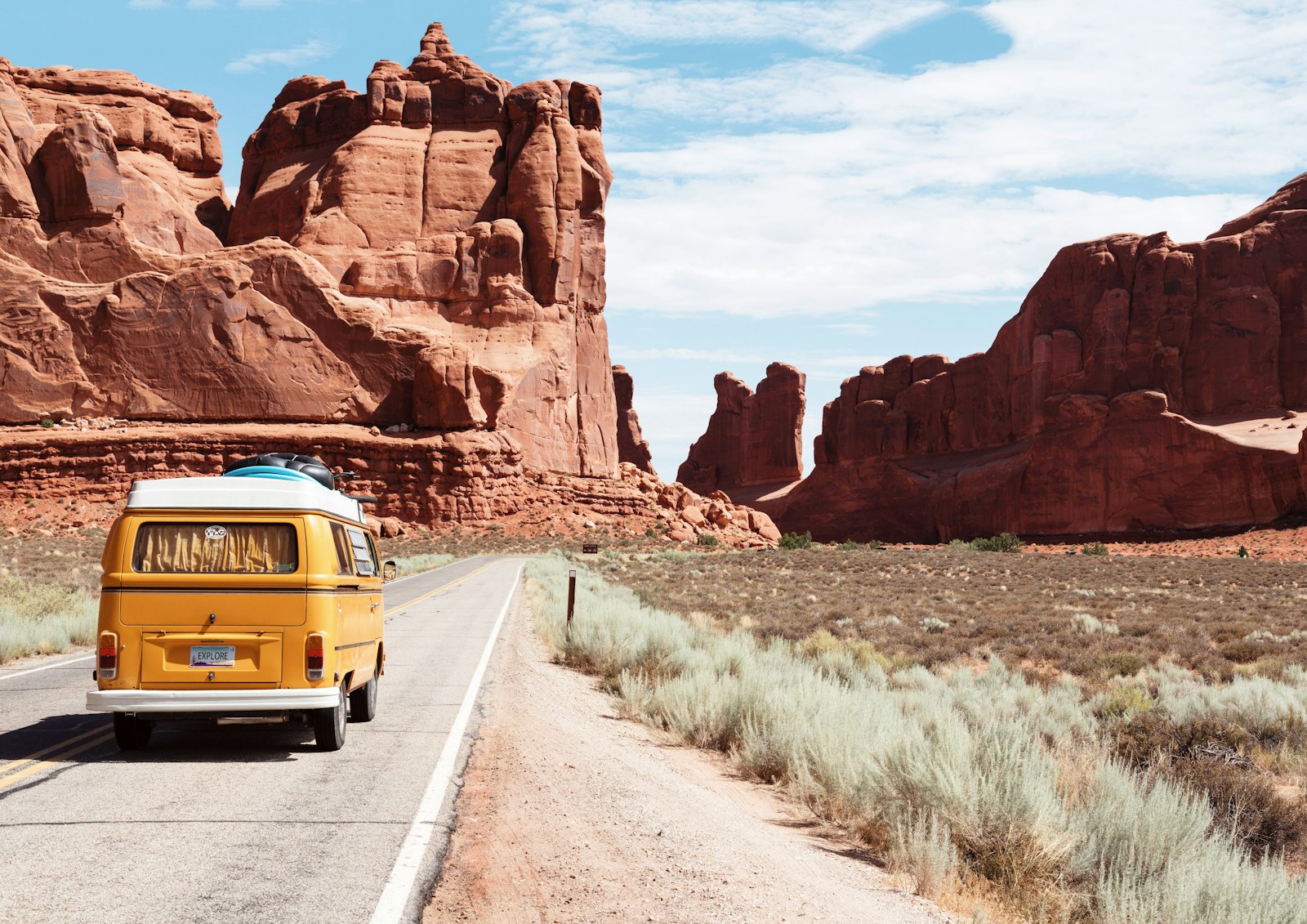
A well-planned road trip balances structure with flexibility — this guide covers every stage, from mapping your route and budgeting your costs to preparing your vehicle and staying safe on the road.
Road trips occupy a unique place in travel. Unlike flying, you control the pace, the stops, and the detours. A roadside diner, an unexpected overlook, a small town not on any itinerary — these are the moments road travelers remember longest. But the freedom of the open road works best when the fundamentals are sorted before you leave the driveway.
Whether you're planning a solo weekend escape, a family summer drive, or a months-long overland journey, the planning process follows the same core steps. Work through them in order and you'll spend far less time troubleshooting and far more time enjoying the ride.
Define the Purpose and Scope of Your Trip
Before you open a map, answer a few questions that will shape every decision that follows.
- How much time do you have? A long weekend demands a tight, focused route. Two weeks opens up genuine cross-regional travel.
- Who is traveling? A trip with young children, elderly passengers, or pets has different rest-stop, accommodation, and daily-mileage requirements than a solo drive.
- What's the goal? Scenic driving, hitting specific landmarks, visiting family, food and culture exploration — knowing your priority helps you make trade-offs later.
- One-way or loop? A loop returns you to the start; a point-to-point route may require a flight or train back, which affects your budget.
Choose and Map Your Route
Start broad, then refine. Identify the anchor points — the must-see destinations or waypoints — and connect them in a logical geographic sequence. Avoid the common mistake of plotting a route that looks efficient on a map but involves brutal daily mileage.
A widely used rule of thumb: limit driving to roughly six to eight hours per day for most travelers, less if you're with children or plan frequent sightseeing stops. Factor in that actual road time almost always exceeds map-app estimates once meals, fuel, and photo stops are included.
- Use mapping tools (Google Maps, Apple Maps, Waze, or dedicated road-trip apps like Roadtrippers) to plot and save your route.
- Identify alternative routes in case of construction, weather, or road closures.
- Note where fuel stations, hospitals, and cell service are sparse — especially on remote or desert routes.
- Check seasonal road conditions. Mountain passes may close in winter; unpaved roads may be impassable after rain.
Set a Realistic Budget
Road trips can be economical or surprisingly expensive depending on choices made along the way. Build your budget around five main categories:
- Fuel: Estimate total miles, divide by your vehicle's average fuel economy, and multiply by current fuel prices in the regions you'll travel through. Prices vary significantly by country, state, and province.
- Accommodation: Camping and dispersed public-land camping are the most affordable options; motels and hotels add up quickly. Mix accommodation types to balance comfort and cost.
- Food and drink: Cooking at a campsite or packing a cooler dramatically reduces this line item compared to eating every meal at restaurants.
- Activities and entry fees: National parks, state parks, toll roads, ferries, and attractions all carry costs. Research in advance; many parks offer annual passes that pay for themselves quickly.
- Vehicle costs and emergency fund: Include a contingency — typically 10–15% of your total budget — for unexpected repairs, medical needs, or itinerary changes.
Prepare Your Vehicle
A mechanical failure in a remote area is far more than an inconvenience. Before any significant road trip, have a qualified mechanic inspect — or do a thorough self-check of — the following:
- Tires: Tread depth, pressure (including the spare), and overall condition. Tires are your most critical safety item.
- Fluid levels: Engine oil, coolant, brake fluid, transmission fluid, windshield washer fluid.
- Brakes: Pad thickness and rotor condition.
- Battery: Age, charge level, and terminal connections — especially before winter or summer heat extremes.
- Lights: All exterior lights, including turn signals and brake lights.
- Belts and hoses: Look for cracking or wear.
- Air conditioning and heating: Critical for passenger comfort and safety in extreme weather.
Carry a basic roadside emergency kit: jumper cables or a jump starter, a reflective triangle or flares, a basic tool kit, a flashlight, and a first-aid kit. If you're driving in remote areas, a portable air compressor and a tire plug kit are worth adding.
Book Accommodation Strategically
The right booking strategy depends on your travel style and the season.
During peak summer months or holiday weekends, popular campgrounds, national park lodges, and small-town motels fill up weeks or even months in advance. In those cases, book anchor-night accommodation early and leave flexibility in the middle days for spontaneous stops.
Off-season travel gives you far more flexibility to decide each morning where you'll sleep that night — which genuinely enhances the road-trip experience. Apps and websites for last-minute bookings can be useful here.
If camping, research whether reservations are required at the sites along your route. Many popular public lands use a reservation system, while others operate on a first-come, first-served basis.
Pack Smart
Overpacking is the most common road-trip mistake. A fully loaded car is harder to drive, uses more fuel, and makes accessing items frustrating. Organize your load so that what you need first — snacks, charging cables, rain gear — is accessible without unpacking.
- Navigation: A phone mount, a portable charger, and downloaded offline maps for areas with poor cell coverage.
- Comfort: Sunglasses, a neck pillow for passengers, reusable water bottles, and a small cooler.
- Weather-appropriate clothing: Layering is especially important on routes that cross elevations or climate zones.
- Documents: Driver's license, vehicle registration, insurance cards, roadside assistance membership card, and (for international driving) any required permits or an International Driving Permit.
- Entertainment: Downloaded podcasts, audiobooks, and playlists for areas without streaming coverage.
Understand Rules of the Road for Your Route
Traffic laws, speed limits, and road regulations vary by country, state, and province. If you're driving across borders or in an unfamiliar country, take time to research:
- Which side of the road traffic flows on
- Speed limit conventions (and the units — mph vs. km/h)
- Seatbelt and child seat laws
- Mobile phone use restrictions while driving
- Toll road systems and payment methods
- Any required equipment (warning triangles, reflective vests) — mandatory in several European countries
For international road trips, check official government and motoring authority websites for the countries you'll visit. Requirements change, and fines for violations can be steep.
Plan for Safety on Long Drives
Driver fatigue is one of the leading causes of serious road accidents. A few non-negotiable practices:
- Get a full night's sleep before a long driving day.
- Take a break of at least 15–20 minutes every two hours, or every 100 miles — whichever comes first.
- Never drive if you feel drowsy. Caffeine provides only temporary relief; sleep is the only real remedy.
- Share driving duties with a co-driver when possible on long hauls.
- Avoid driving late at night if you're already tired from the day's travel.
Share your general route and check-in schedule with someone who is not traveling with you, so they can raise an alert if they don't hear from you as expected.
Keep Documents and Logistics Organized
Road trips generate a surprising number of moving pieces: reservation confirmations, toll receipts, insurance documents, fuel logs, and attraction tickets. Using TravelerPulse.pro's My Travel Hub lets you keep your itinerary, bookings, and travel documents in one organized place — accessible from your phone when you're on the road and need information quickly.
Be Ready to Adapt
Even the most meticulously planned road trip will encounter the unexpected: road closures, weather changes, a town that's more interesting than anticipated, or a vehicle issue that costs a half-day. Build buffer days into longer trips. Treat detours as features rather than failures.
The travelers who enjoy road trips most are those who hold the plan loosely enough to say yes to the unplanned.
Frequently Asked Questions
How far in advance should I plan a road trip?
For peak-season travel to popular destinations, planning two to three months ahead gives you the best accommodation choices and time to prepare your vehicle. For off-season or flexible trips, a few weeks is often sufficient. Last-minute road trips are absolutely feasible when demand for lodging is low.
Do I need special insurance for a road trip in another country?
Possibly. Your existing auto insurance policy may not cover driving in another country, and minimum liability coverage requirements vary widely. Contact your insurer before crossing any international border, and research whether a temporary or supplemental policy is needed. Rental car insurance rules differ again — check both the rental company's terms and your credit card's coverage benefits.
What should I do if my car breaks down in a remote area?
Pull as far off the road as safely possible, turn on your hazard lights, and set out reflective triangles or flares if you have them. Call your roadside assistance provider if you have coverage — and if you don't, this is a good reason to get it before you leave. In areas with no cell service, a satellite communicator device (such as a personal locator beacon or a satellite messenger) can be a genuine lifesaver on remote routes.
Is it better to book accommodation in advance or stay flexible?
It depends on the season and destination. During peak periods at popular spots — national park gateway towns, holiday weekends, festivals — booking ahead is strongly advisable. In quieter seasons and less-visited regions, staying flexible lets you follow the trip's natural rhythm and stop where you feel like stopping.
The Road Ahead
A road trip planned well enough to avoid serious problems — but loosely enough to allow for discovery — is one of travel's great pleasures. Get the fundamentals right: a sound vehicle, a sensible route, a realistic budget, and a safety mindset. Beyond that, trust the road to do what roads do best.


