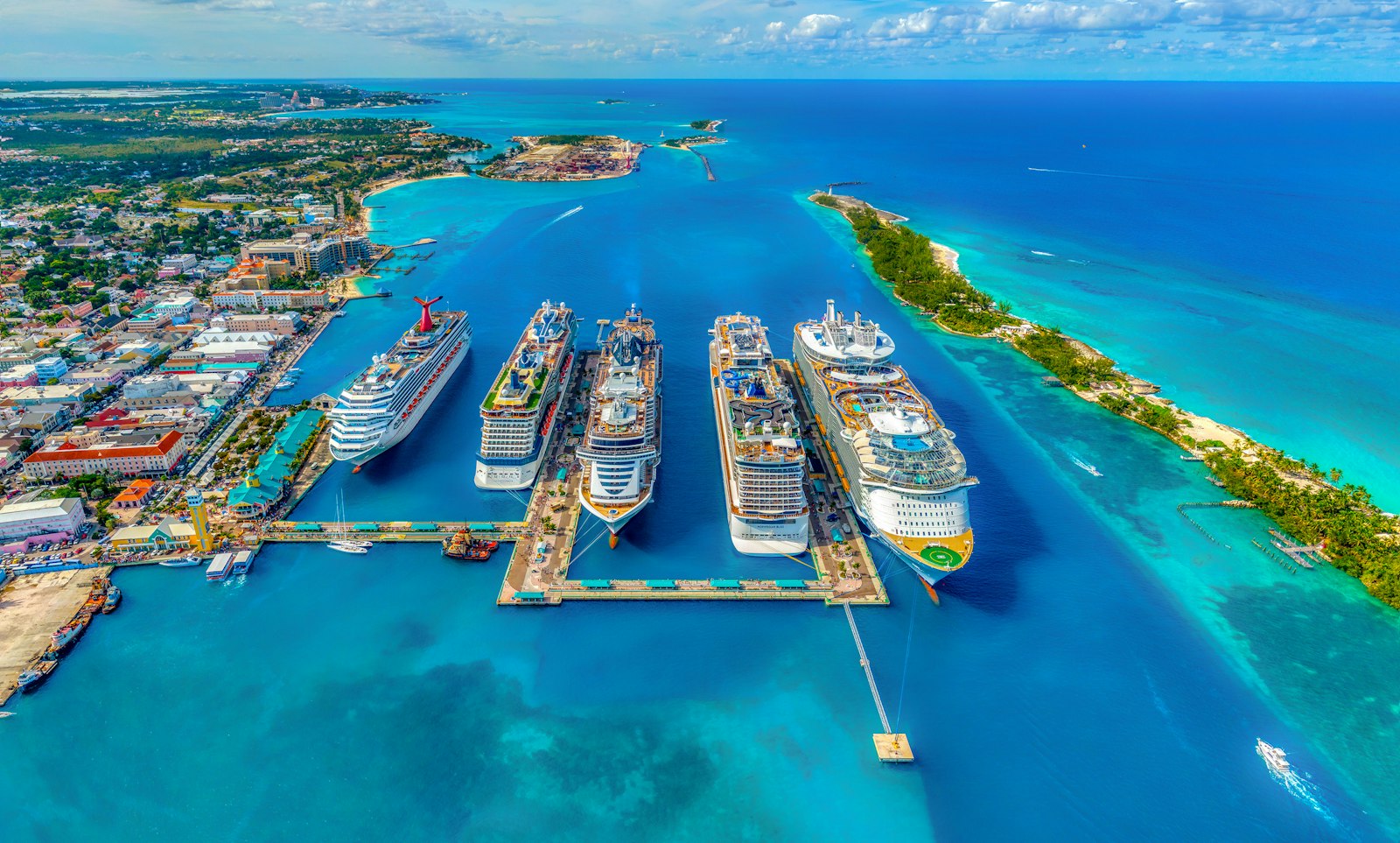
Cruise travel combines hotel, dining, transportation, and destination-hopping into a single floating experience — but it has its own rhythm, terminology, and logistics that first-timers should understand before they ever step on a gangway.
A cruise vacation is unlike any other form of travel. Your accommodation moves with you. Dinner is a social occasion with assigned or open seating. You might wake up in a new country every morning. And the ship itself — with its restaurants, pools, theaters, and shops — is as much a destination as the ports it visits.
Understanding how cruise travel works before you book saves money, prevents surprises, and helps you get the most out of every sea day and shore excursion. This guide covers the full journey from research to disembarkation.
Choosing the Right Cruise
Cruise lines broadly fall into a few tiers: mainstream or contemporary lines that emphasize value and family-friendly amenities; premium lines that offer more refined dining and service; and luxury or expedition lines catering to travelers who want intimate ships, exotic itineraries, or deep nature immersion.
Beyond the line itself, consider:
- Itinerary and region: Caribbean, Mediterranean, Alaska, Northern Europe, river cruises in Europe or Asia, and world voyages all offer very different experiences.
- Ship size: Mega-ships carry thousands of passengers and pack in amenities; smaller ships access ports big vessels cannot and create a more personal atmosphere.
- Duration: Cruises range from two-night getaways to multi-month world circumnavigations. A week to ten days is a common starting point for first-timers.
- Departure port: Sailing from a home port eliminates the need to fly to a foreign embarkation city, which simplifies logistics considerably.
Cabin Categories Explained
Your cabin choice affects your budget, comfort, and daily routine more than almost any other decision.
- Interior cabin: No window. The most affordable option, and perfectly comfortable for travelers who plan to spend little time in their room.
- Ocean view: A porthole or fixed window brings in natural light and a glimpse of the sea.
- Balcony (veranda): A private outdoor space — popular for scenic itineraries like Alaska or Norway, where you want to watch the scenery pass from your own deck.
- Suite: Larger living areas, priority boarding, dedicated concierge service on many lines, and often access to exclusive dining venues.
Cabin location matters too. Midship cabins on lower decks tend to feel the least motion in rough seas — worth considering if seasickness is a concern.
Booking: What's Included and What Isn't
The base fare typically covers your cabin, main dining room meals, most buffet and casual dining, entertainment (shows, pools, fitness center), and transportation between ports. What it often does not cover:
- Alcoholic beverages and specialty coffees
- Specialty restaurants (surcharge or fixed price)
- Shore excursions booked through the ship
- Spa treatments and salon services
- Wi-Fi (a significant add-on cost on most ships)
- Gratuities, which many lines add as a daily service charge
- Port fees and taxes (sometimes rolled into the fare, sometimes listed separately)
Many cruise lines sell drink packages, dining packages, and Wi-Fi bundles at a discount before sailing. Run the numbers honestly against your likely consumption before purchasing.
Documents, Visas, and Pre-Departure Prep
Passport requirements for cruises vary depending on itinerary. Closed-loop cruises — those departing and returning to the same U.S. port — may allow U.S. citizens to travel on a birth certificate and government ID in some circumstances, but a valid passport is strongly recommended and required for international ports. Always verify requirements with your cruise line and the official government sources of every country on your itinerary.
Visa rules at cruise ports of call differ from flying into a country as a tourist. Some ports are accessible for brief visits without a visa; others require one even for a day ashore. Your cruise line's destination team can outline general requirements, but for authoritative guidance, check each country's official immigration or consular website. TravelerPulse.pro's /visas Passport & Visa section is a useful starting point for organizing this research.
Most cruise lines now require online check-in completed before embarkation day. You will upload a passport photo, credit card details, and arrival-time preferences. Completing this early reduces boarding-day stress significantly.
Embarkation Day
The first day of a cruise is logistically busy. Cruise terminals process thousands of passengers, so your assigned check-in window matters — arriving outside it often means long waits. General embarkation-day flow:
- Drop luggage with porters at the terminal (tip them appropriately; bags arrive at your cabin hours later).
- Pass through security and check in at the terminal desk or kiosk.
- Board the ship and receive your cruise card, which serves as your room key, onboard payment method, and identification for going ashore.
- Explore the ship while cabins are being prepared — typically available by early to mid-afternoon.
- Attend the mandatory safety muster drill before the ship departs.
If you are flying to your embarkation port, arrive the night before. Flight delays that cause you to miss a ship are the passenger's responsibility — the ship will not wait.
Life Onboard
Each evening, the ship publishes a daily program — delivered to your cabin or available via the cruise line's app — listing every activity, dining reservation window, port arrival time, and entertainment show for the following day. Getting into the habit of reading it each night keeps you oriented.
Dining on mainstream and premium ships typically offers a main dining room with set menus, an always-open buffet, and a range of specialty restaurants. Traditional dining assigns you a fixed table and time each evening; flexible or "anytime" dining lets you arrive when you like. Specialty restaurants require reservations and often an extra charge.
Sea days — days spent entirely at sea between ports — are when most passengers use pools, attend lectures, join trivia competitions, visit the spa, or simply relax. Many experienced cruisers consider sea days among the most enjoyable parts of a voyage.
Ports of Call: Going Ashore
When the ship docks or anchors offshore, passengers typically have several hours to explore. You have two main options for structuring your time ashore:
- Ship-organized excursions: Pre-packaged tours sold by the cruise line. More expensive than booking independently, but the ship guarantees it will wait for you if the excursion returns late — a meaningful safety net.
- Independent exploration: Arranging your own transportation, private guide, or simply walking from the pier. Usually cheaper and more flexible, but if anything delays your return, you risk missing the ship. The ship's departure time is firm.
Track your time carefully at every port. Know exactly when the ship's "all aboard" time is — it is posted on your cruise card and the daily program, and it is always earlier than the ship's actual departure.
Onboard Spending and Your Cruise Account
Nearly all purchases on the ship are cashless. Every charge goes to your cruise account, linked to the credit card you registered during check-in. Review your account periodically on the in-room TV or the cruise app — errors are easier to dispute before disembarkation than after.
Foreign currency is useful ashore in many ports, especially at local markets, small restaurants, and wherever vendors may not accept cards. Check what currencies are used in each port before you sail.
Health, Motion, and Wellness at Sea
Modern large ships are stabilized and most passengers experience little or no seasickness on calm-weather itineraries. Rough seas are more common in certain regions and seasons — the North Atlantic in winter, for example. If you are prone to motion sickness, consult a physician before departure about preventive options.
Cruise ships have medical centers staffed by doctors and nurses, but medical care at sea comes at a significant cost — travel insurance that includes medical evacuation coverage is strongly advised for any cruise itinerary, and essential for longer voyages or remote destinations such as Antarctica or the South Pacific.
Gratuities and Tipping Culture
Most contemporary and premium cruise lines add a daily automatic gratuity to each passenger's account, distributed among cabin stewards, dining staff, and other crew. The amount and structure vary by line. You may adjust this amount at guest services, though the crew members who serve you daily depend on this income substantially.
Tipping beyond the automatic charge — for a bartender who has served you throughout the voyage, or a shore excursion guide — is discretionary and appreciated.
Disembarkation
The final night of a cruise involves logistics. You will receive disembarkation instructions explaining two main options:
- Assisted or traditional disembarkation: You place your luggage outside your cabin door by a set time the night before. It is collected, sorted by color-coded tags, and retrieved in the terminal the next morning.
- Self-assist (walk-off) disembarkation: You carry all your own bags off the ship, typically allowing you to disembark earlier than those using assisted baggage handling.
Customs and immigration procedures upon return vary by country and port. U.S.-based cruises typically require passengers to clear customs in the terminal before exiting. Keep your passport and any required declarations forms accessible.
If flying home on disembarkation day, book a flight no earlier than mid-afternoon to allow for delays in the disembarkation process.
Frequently Asked Questions
Do I need travel insurance for a cruise?
Travel insurance is strongly recommended. Cruise-specific policies — or comprehensive travel insurance plans — can cover trip cancellation, medical expenses, emergency evacuation from a ship or remote port, and missed departure coverage. Standard health insurance policies rarely cover medical care at sea or in foreign ports.
Can I bring my own food and drinks aboard?
Policies vary widely by cruise line. Many lines allow passengers to bring a limited amount of non-alcoholic beverages aboard at embarkation but prohibit outside alcohol. Food restrictions are common for biosecurity reasons, particularly when returning from foreign ports. Check your specific cruise line's policy before packing a cooler.
What happens if the ship skips a port?
Ports of call can be changed or cancelled for weather, mechanical issues, or circumstances beyond the line's control. Cruise contracts typically give the line latitude to substitute or omit ports. Refunds for missed ports are uncommon but sometimes offered as onboard credit. This is a normal, if occasionally disappointing, aspect of cruise travel.
Is Wi-Fi reliable on cruise ships?
Satellite-based internet at sea is slower and more expensive than most passengers are accustomed to on land. Newer ships with upgraded satellite infrastructure offer significantly better speeds, but streaming and video calls may still be unreliable in remote ocean regions. Wi-Fi packages are typically sold in tiers — basic browsing versus higher-speed plans.
Getting Organized Before You Board
A cruise itinerary has many moving parts: documents, shore excursion bookings, dining reservations, flights, hotel nights at the embarkation port, and post-cruise transfers. Using TravelerPulse.pro's My Travel Hub to centralize your confirmations, notes, and checklists helps ensure nothing slips through before sailing day.
Cruise travel rewards preparation. The more you understand the structure — how embarkation flows, what your fare includes, how to manage time ashore — the more freely you can relax into the experience itself. That is, after all, the whole point of getting on the ship.


