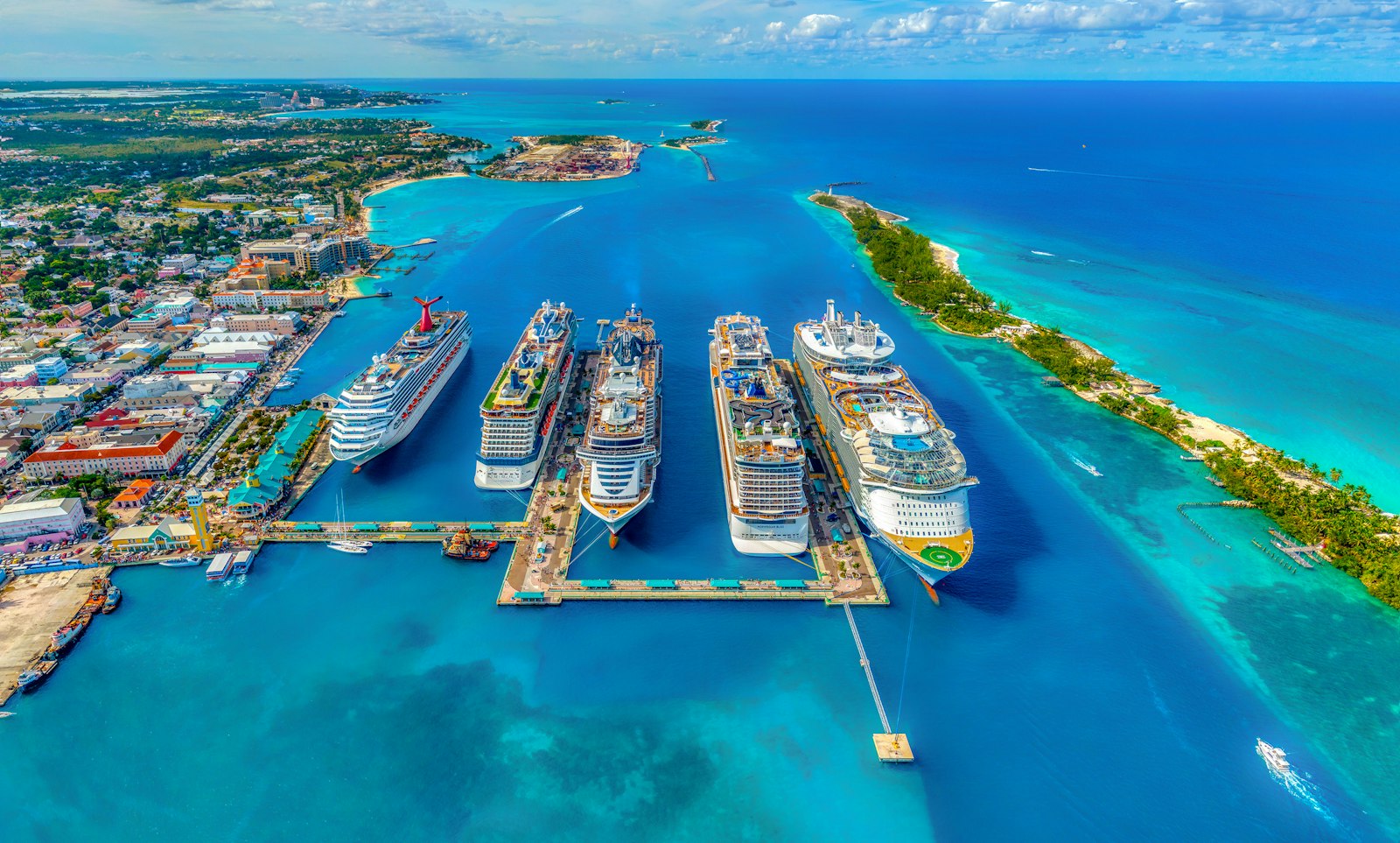
A strategically chosen hotel stay before or after your cruise eliminates the stress of tight connections, protects against travel delays, and turns embarkation day into a relaxed, enjoyable experience rather than a frantic race to the pier.
Why Staying Near the Port Is Worth It
Many cruisers book a flight that arrives the morning of embarkation, dash to the pier, and board with little margin for error. A single delayed flight, a missed connection, or a lost bag can mean watching the ship sail without them. A pre-cruise hotel stay changes the equation entirely.
Arriving one or two nights early gives you a buffer against travel disruptions, time to recover from jet lag, and the chance to explore the port city before you ever step on the gangway. Post-cruise hotels serve a different purpose: they let you disembark without the pressure of an early morning flight, enjoy one final night in a destination, or simply wait out a long layover in comfort.
Pre-Cruise vs. Post-Cruise: Different Goals, Different Priorities
Pre-Cruise Stays
- Peace of mind: You are already in the right city. No flight delay can strand you.
- Rest and recovery: Long-haul travelers and those crossing multiple time zones benefit enormously from a full night's sleep before boarding.
- Exploration: Port cities like Barcelona, Lisbon, Singapore, and Miami are destinations in their own right. An extra day or two adds real value to your trip.
- Luggage flexibility: You can unpack essentials, confirm your packing, and send unnecessary bags home if needed.
Post-Cruise Stays
- Flight timing: Cruise ships typically disembark passengers between 7 a.m. and 10 a.m. Morning flights are almost always too risky. A hotel night lets you book an afternoon or next-day flight without rushing.
- Port city tourism: Use the extra day to see sights you missed at the beginning of the trip.
- Transition comfort: Families with young children, seniors, and travelers with mobility needs often find a post-cruise hotel night makes the journey home far less exhausting.
How Far in Advance Should You Book?
Port-area hotels fill up quickly, especially when a major ship is in town. Cruise lines operate on fixed schedules that are publicly available months or even years in advance, so savvy travelers lock in hotel rooms at the same time they book their cruise — sometimes a year or more out.
If you are sailing from a major hub like Miami, Fort Lauderdale, Southampton, or Sydney, expect high demand on weekends and around holidays. Waiting until a few weeks before departure may mean limited options or significantly higher rates. Booking early is almost always the right move.
Location: How Close Is Close Enough?
The ideal pre- or post-cruise hotel is close enough to the terminal that logistics are simple but not so locked in that you sacrifice quality or price. Consider three zones:
- Pier-adjacent hotels (within walking distance or a short taxi ride): Maximum convenience, often premium pricing. Best for embarkation morning when every minute counts.
- City-center hotels (10–30 minutes from the port): Better selection of restaurants, attractions, and price points. Works well when you have time to explore and are comfortable arranging a transfer.
- Airport-adjacent hotels: Practical for very early or very late flights, or when you don't intend to do any sightseeing. Rarely the most interesting choice but sometimes the most efficient.
Many travelers combine strategies: city-center hotel on the first night for sightseeing, then a pier-adjacent property the night before embarkation for easy morning logistics.
Transfers: Getting from Hotel to Ship (and Back)
Transfer arrangements vary widely depending on the hotel, the port, and your cruise line. Here are the main options:
- Cruise line transfers: Many lines sell pre- and post-cruise transfer packages from select hotels or airports. These are convenient and handle luggage, but they run on fixed schedules — often earlier than you'd prefer.
- Hotel shuttle: Some port-area hotels offer complimentary or paid shuttle service to the cruise terminal. Confirm this at booking, not on the day of travel.
- Taxi or rideshare: Flexible, usually affordable for short distances, and available on your schedule. Have the terminal address and your ship's berth number ready.
- Private car service: Worth considering for large groups or travelers with significant luggage. Book in advance, especially in busy ports.
- Walking: In some ports — particularly older European and Caribbean ones — hotels are genuinely walkable to the terminal. Confirm this in advance; distances can be deceptive on a map.
On disembarkation day, keep in mind that luggage you set outside your cabin the night before goes directly to the terminal — not to your hotel. Plan to carry a day bag with essentials so you are not searching through dozens of bags in the terminal at 7 a.m.
What to Look for When Choosing a Port Hotel
Not every hotel near a cruise terminal is a good fit for cruisers. Prioritize these factors:
- Early check-in / late check-out policies: If your flight arrives at noon the day before embarkation, you need a room by early afternoon. Many hotels charge extra for this; confirm in writing before booking.
- Luggage storage: On disembarkation day you may check out at 11 a.m. but not leave for the airport until 6 p.m. A hotel with secure luggage storage is invaluable.
- Breakfast options: Embarkation morning can be chaotic. A hotel with an on-site breakfast or a good café nearby saves time and stress.
- Parking: Travelers who drive to the port should compare hotel parking rates (often daily) against the cruise terminal's own parking facilities. In some ports, a park-and-stay package at a hotel works out cheaper.
- Noise and comfort: Port-adjacent areas can be industrial and noisy. Read recent reviews specifically for noise levels before booking.
Luggage Logistics: The Practical Details
Managing bags between hotel and ship is one of the most underestimated logistical challenges of cruise travel. A few practical principles:
- Tag all luggage clearly with your name, ship name, cabin number, and sailing date before you leave home. Many cruise lines provide luggage tags in advance; attach them before you check in to your hotel.
- Keep valuables, medications, travel documents, and a change of clothes in a carry-on that stays with you at all times — not in bags handed to porters at the terminal.
- If the hotel offers to store luggage on disembarkation day, use it. Dragging bags through a port city on a warm morning is nobody's idea of a good ending to a vacation.
Cruise Line Hotel Packages: Pros and Cons
Most major cruise lines offer their own pre- and post-cruise hotel packages bundled with airport and pier transfers. These can be convenient — particularly for first-time cruisers who prefer one point of contact — but they come with trade-offs.
- Pros: Seamless coordination, luggage can sometimes be transferred directly, customer service is handled by the line if something goes wrong.
- Cons: The hotel selection is limited, pricing may not be competitive, and you are tied to the line's transfer schedule rather than your own.
Independent booking through standard hotel channels often gives you more choice and better value, especially if you want to spend time exploring the port city. Compare both options before committing.
Visas, Entry Requirements, and Port City Logistics
If your cruise departs from or arrives in a foreign country, a pre- or post-cruise hotel stay may have immigration implications. You are, in effect, entering that country as a tourist — not just transiting. Entry requirements, visa rules, and health documentation for that country apply fully.
Always verify current visa and entry requirements through the official government sources of both your home country and the destination country before booking your hotel nights. The Passport & Visa section on TravelerPulse.pro is a useful starting point for understanding what to look up, but official embassy and government websites are the definitive source for current rules.
Making the Most of Your Port City Time
A pre- or post-cruise hotel stay is not just a logistical tool — it is a genuine travel opportunity. Some of the world's most compelling cities double as cruise homeports. Use your extra time well:
- Research the port city independently of your cruise line's excursion offerings.
- Book popular restaurants or attractions in advance, since you will know your dates months ahead.
- Check the local event calendar — festivals, markets, and sporting events can make a hotel night genuinely memorable.
- Use airport and terminal pages on TravelerPulse.pro to orient yourself to ground transportation, dining, and services before you land.
Frequently Asked Questions
How many nights should I book before my cruise?
One night is the practical minimum for travelers arriving from within the same country. Two nights is strongly recommended for international arrivals, long-haul travelers, or anyone crossing more than three or four time zones. The extra night provides a meaningful buffer and enough time to see some of the city.
Can I leave my luggage at the hotel on disembarkation day?
Many hotels near cruise terminals offer luggage storage for guests — and sometimes for a fee to non-guests — on disembarkation day. This is not guaranteed, so confirm the policy when you book your post-cruise hotel and again at check-in. Some port areas also have independent luggage storage services if your hotel cannot help.
Is it better to book a hotel near the airport or near the port?
It depends on your priorities. The night before embarkation, proximity to the port matters most — embarkation morning logistics are simpler when you are already close. After disembarkation, the answer depends on your flight time and whether you want to sightsee. A late flight strongly suggests a city-center or port-area hotel; a very early next-morning flight may favor an airport hotel.
Do cruise lines guarantee your spot if your hotel stay causes you to miss embarkation?
No. Once a ship departs, it is gone. However, a pre-cruise hotel stay is specifically designed to prevent this scenario. If you are already in the port city the night before, your risk of missing the ship due to travel disruption drops dramatically. Purchase comprehensive travel insurance to cover scenarios — including medical emergencies — that might prevent boarding regardless of where you are staying.
Putting It All Together
A thoughtfully booked hotel stay before or after your cruise is one of the highest-value additions you can make to any sailing itinerary. It reduces risk, improves comfort, and often adds genuine destination experiences that the cruise itself cannot provide. Book early, choose your location deliberately, confirm every logistical detail in writing, and arrive at the pier rested, organized, and ready to enjoy the journey. Use My Travel Hub on TravelerPulse.pro to keep your hotel confirmations, transfer details, and cruise documents in one place throughout the planning process.


