 Translate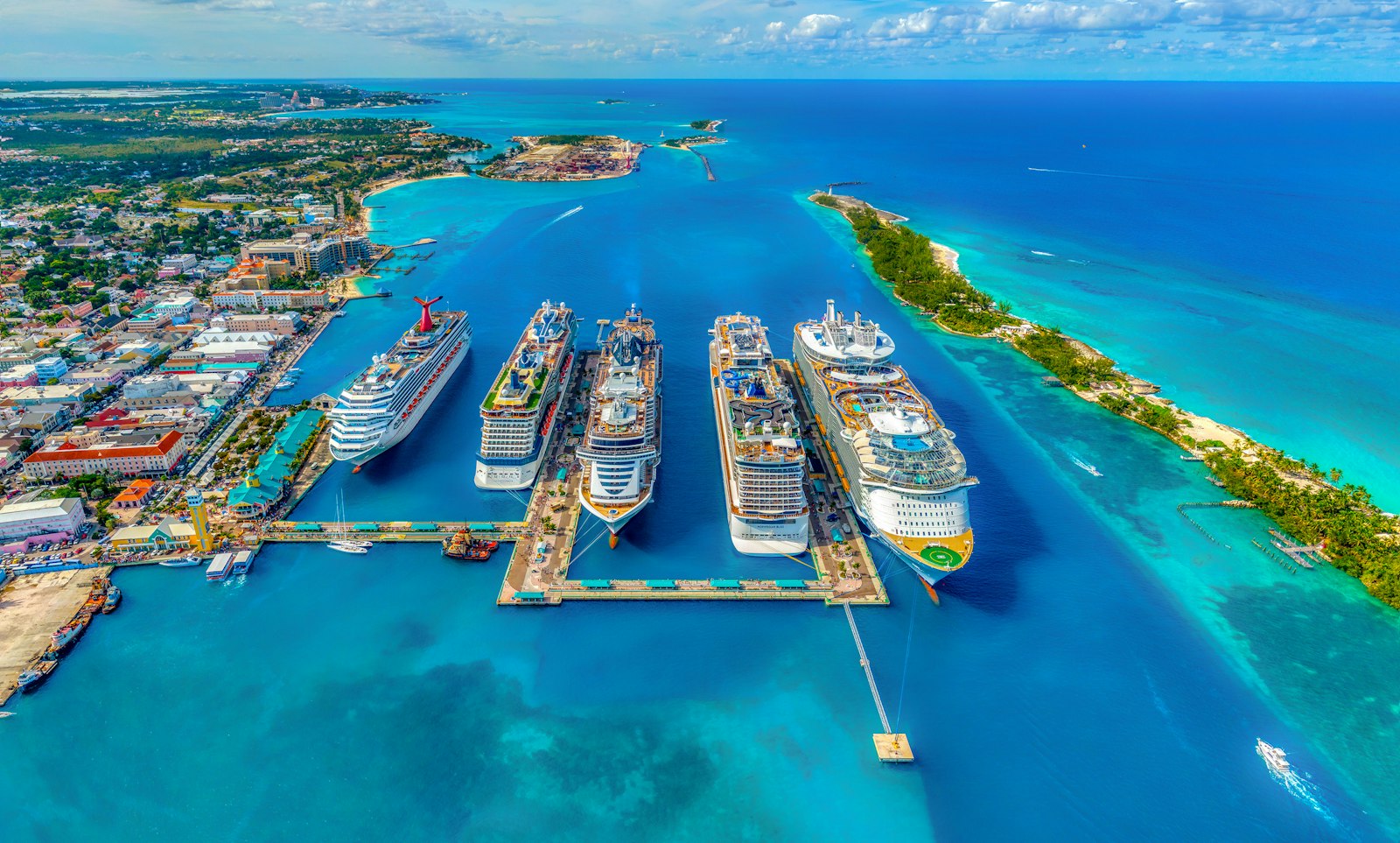
Cruise ports and terminals vary enormously in size, layout, and procedure — understanding how they work before you arrive can save you hours of confusion and help you make the most of every port day.
A cruise vacation is often marketed as the destination itself, but the port experience — both at home and abroad — shapes the trip more than many first-time cruisers expect. Long embarkation lines, missed ship departures, and confusing tender procedures are among the most common complaints from new cruisers, and almost all of them are avoidable with a little preparation. This guide covers the full lifecycle of the cruise port experience, from the moment you pull up to the terminal on departure day to the final steps of disembarkation.
What Is a Cruise Terminal?
A cruise terminal is a dedicated facility within a larger seaport designed specifically to process cruise passengers. Think of it as an airport, but for ships. It handles check-in, security screening, baggage handling, customs and immigration, and the controlled flow of thousands of people boarding and leaving a vessel — sometimes on the same day.
Major cruise homeports like Miami, Barcelona, Southampton, Singapore, and Sydney operate purpose-built terminal complexes that can process multiple large ships simultaneously. Smaller or secondary ports may use converted warehouses, open-air docks, or shared commercial facilities. The experience at each can differ dramatically.
Homeports vs. Port-of-Call Stops
Every cruise itinerary has at least one homeport — the city where the voyage begins and ends. This is where full embarkation and disembarkation take place. All other stops along the route are called ports of call, where the ship docks (or anchors) for a limited number of hours before continuing.
- Homeport terminals offer complete check-in infrastructure: baggage drop, documentation screening, security, and boarding lounges.
- Port-of-call facilities range from modern cruise piers with shops and services to simple tender landing points with little infrastructure at all.
- Some itineraries include turnaround ports, where one group of passengers disembarks and another boards on the same day — these ports handle the heaviest processing loads.
Embarkation Day: What to Expect
Embarkation day is the most logistically demanding part of any cruise. Terminals typically open several hours before the ship's scheduled departure, but not all passengers are admitted at once. Most cruise lines issue assigned boarding times or priority groups — ignoring these and arriving early does not guarantee faster boarding, and may mean waiting in a holding area.
The standard embarkation sequence works roughly like this:
- Luggage drop: Porters outside the terminal collect large bags and deliver them to your cabin later. Keep valuables, medications, travel documents, and anything you need immediately in your carry-on.
- Document check: Staff verify your passport, cruise booking confirmation, and any required health or visa documents before you enter the building.
- Security screening: Expect airport-style X-ray and metal detector screening. Policies on what you can bring aboard — particularly beverages and alcohol — vary significantly by cruise line.
- Check-in and key card issuance: You receive your cabin key card, which also serves as your onboard payment method and ship ID.
- Boarding: You walk the gangway, are photographed for facial recognition, and officially board.
Completing your cruise line's online check-in before arrival — uploading a photo, entering passport details, selecting a boarding time — shortens this process considerably.
Travel Documents and Identification
Document requirements for cruises depend on the itinerary, the nationalities of passengers, and the countries visited. Closed-loop cruises (those that depart and return to the same U.S. port, for example) may allow certain citizens to travel with a birth certificate and government-issued ID rather than a passport, but this varies by country and cruise line policy. For international itineraries, a valid passport is almost universally required.
Some ports of call require visas for certain passport holders — and these requirements can change. Always verify entry requirements for every country on your itinerary well in advance. The Passport & Visa information section on TravelerPulse.pro is a useful starting point, but confirm requirements directly with the official government immigration authority of each destination country.
Arriving at a Port of Call
When the ship reaches a port of call, passengers typically have the morning and afternoon ashore before an all-aboard time in the late afternoon or early evening. The ship will leave without you if you miss that deadline — this is not a negotiable courtesy. Keep the ship's local time and all-aboard time visible throughout the day.
There are two ways to get ashore at a port of call:
- Pier/dockside access: The ship ties directly to a pier, and you walk off. This is the most convenient arrangement.
- Tender service: When a port lacks suitable docking facilities or the harbor is too shallow, the ship anchors offshore and smaller boats (tenders) ferry passengers to a landing point. Tender operations depend on sea conditions and can be suspended in rough weather. Priority is typically given to passengers with ship-booked excursions.
Shore Excursions: Ship-Booked vs. Independent
At every port of call, you face the same fundamental decision: book a shore excursion through the cruise line, or explore independently.
Ship-booked excursions carry one significant guarantee: if the excursion runs late due to circumstances beyond your control, the ship typically waits. They are also vetted by the cruise line for minimum safety standards. The trade-off is higher cost and larger group sizes.
Independent exploration — hiring a local guide, renting a car, or joining a third-party tour operator — is often less expensive and more flexible. The risk falls entirely on you: if traffic, a breakdown, or an overlong tour causes you to miss the ship, you are responsible for arranging and funding travel to the next port.
Many experienced cruisers use a hybrid approach: independent exploration in familiar or easy-to-navigate ports, and ship excursions in destinations where logistics or language barriers make independence more complicated.
Port Facilities and Amenities
Major homeports often rival international airports in terms of services: dining, duty-free retail, lounges, currency exchange, luggage storage, and ground transportation hubs. Smaller ports of call offer varying levels of service.
Many large cruise lines have developed or privately lease terminal areas — sometimes entire island destinations — where facilities are controlled by the cruise company itself. These private island stops offer a very different experience from visiting an independent working port town.
When researching specific ports, the airport and port pages on TravelerPulse.pro include terminal details, nearby transportation options, and traveler tips submitted by the community.
Customs, Immigration, and Border Formalities
International cruises cross national borders, and passengers are subject to the customs and immigration laws of every country visited — including their own upon return. In practice, cruise ships handle much of the immigration processing collectively, and passengers often clear formalities with a simple document check as they leave or return to the ship.
On return to your home country, you will typically complete a customs declaration. Duty-free allowances, restricted goods (fresh food, agricultural products, certain items purchased abroad), and declaration requirements all vary by country. For accurate, up-to-date information, consult your national customs authority directly before you travel.
Disembarkation: The Final Morning
Disembarkation is more organized than it might feel in the moment. The night before arrival, you will receive instructions for your assigned disembarkation group and time. Large bags must typically be packed and placed outside your cabin door by a specified hour the previous evening — they are off-loaded overnight and collected in a designated area of the terminal.
- Self-assist disembarkation — carrying all your own luggage off the ship — is usually the earliest option and suits travelers with onward flights or other time-sensitive connections.
- Standard disembarkation follows assigned group times. Waiting in a lounge until your group is called reduces congestion on the gangway.
- Settle your onboard account the night before and return any loaned equipment to avoid delays at the desk on departure morning.
If you have an early flight home, be cautious: disembarkation can run behind schedule, and terminals can be some distance from airports. Many travel advisors recommend booking flights no earlier than mid-morning on disembarkation day — and ideally later, depending on the port and your comfort with risk.
Ground Transportation to and from the Terminal
Cruise terminals are not always conveniently located near city centers or airports. Research your ground transportation options in advance:
- Many cruise lines offer shuttle transfers between the terminal and major airports or city hotels — usually at an additional cost.
- Rideshare apps, taxis, and public transit availability vary significantly by port city.
- If driving and parking your own vehicle, book port parking in advance, especially during peak cruise season. Rates and lot distances from the terminal vary widely.
- Some passengers book a pre-cruise hotel near the terminal to eliminate embarkation-day travel stress entirely — a particularly sensible strategy if you are flying in from a long distance.
Tips for a Smoother Port Experience
- Complete all online check-in steps before you leave home. The more the cruise line already knows, the faster embarkation moves.
- Pack a carry-on with everything you need for the first several hours aboard — cabins are often not ready until early afternoon.
- Set a phone alarm for all-aboard times at every port of call. Never rely solely on memory.
- Photograph your large luggage tags and bags before dropping them off at embarkation. This helps if a bag goes astray.
- Keep a small supply of local currency for ports where cards are not widely accepted, particularly at smaller or less-developed destinations.
- Use My Travel Hub on TravelerPulse.pro to store your cruise documents, port schedules, and excursion confirmations in one accessible place.
Frequently Asked Questions
What happens if I miss the ship at a port of call?
The ship will depart without you. You are responsible for making your own way — at your own expense — to the next port or home. Travel insurance that covers trip interruption and missed ship departures is strongly recommended for this reason. Report immediately to the cruise line's local port agent if you find yourself left behind; their contact information is typically listed on your daily schedule card.
Can I leave the ship at every port of call?
In most cases, yes — going ashore is optional at every port. However, some countries require all passengers to complete immigration formalities even if they choose to stay aboard, and there may be restrictions for passengers with certain medical conditions or legal situations. Check with your cruise line for port-specific requirements.
How early should I arrive at the cruise terminal on embarkation day?
Arrive within your assigned boarding window. Arriving significantly earlier than your assigned time may result in waiting outside or in a holding area, as terminals manage passenger flow deliberately. If you have no assigned time, mid-morning arrivals generally avoid the heaviest initial rush.
Is cruise terminal parking safe?
Official port authority parking facilities are generally monitored and relatively secure, but no parking facility carries an absolute safety guarantee. Check reviews for the specific terminal, compare off-site park-and-shuttle options, and remove valuables from your vehicle. Book in advance during peak season as spaces fill quickly.
Do I need travel insurance for a cruise?
Travel insurance is not legally required, but it is widely recommended by travel professionals for cruise passengers. Comprehensive cruise travel insurance can cover trip cancellation, medical emergencies at sea or in foreign ports, emergency evacuation, missed ship departures, and lost luggage. Compare policies carefully and read the exclusions before purchasing.
The Bottom Line
Cruise ports and terminals are the punctuation marks of any voyage — the moments that frame your time at sea. A little advance knowledge about how embarkation, port stops, and disembarkation actually work transforms what can feel like chaos into a manageable, even enjoyable, part of the journey. Research your specific ports, arrive prepared, keep your documents accessible, and always, always know when your ship is leaving.



