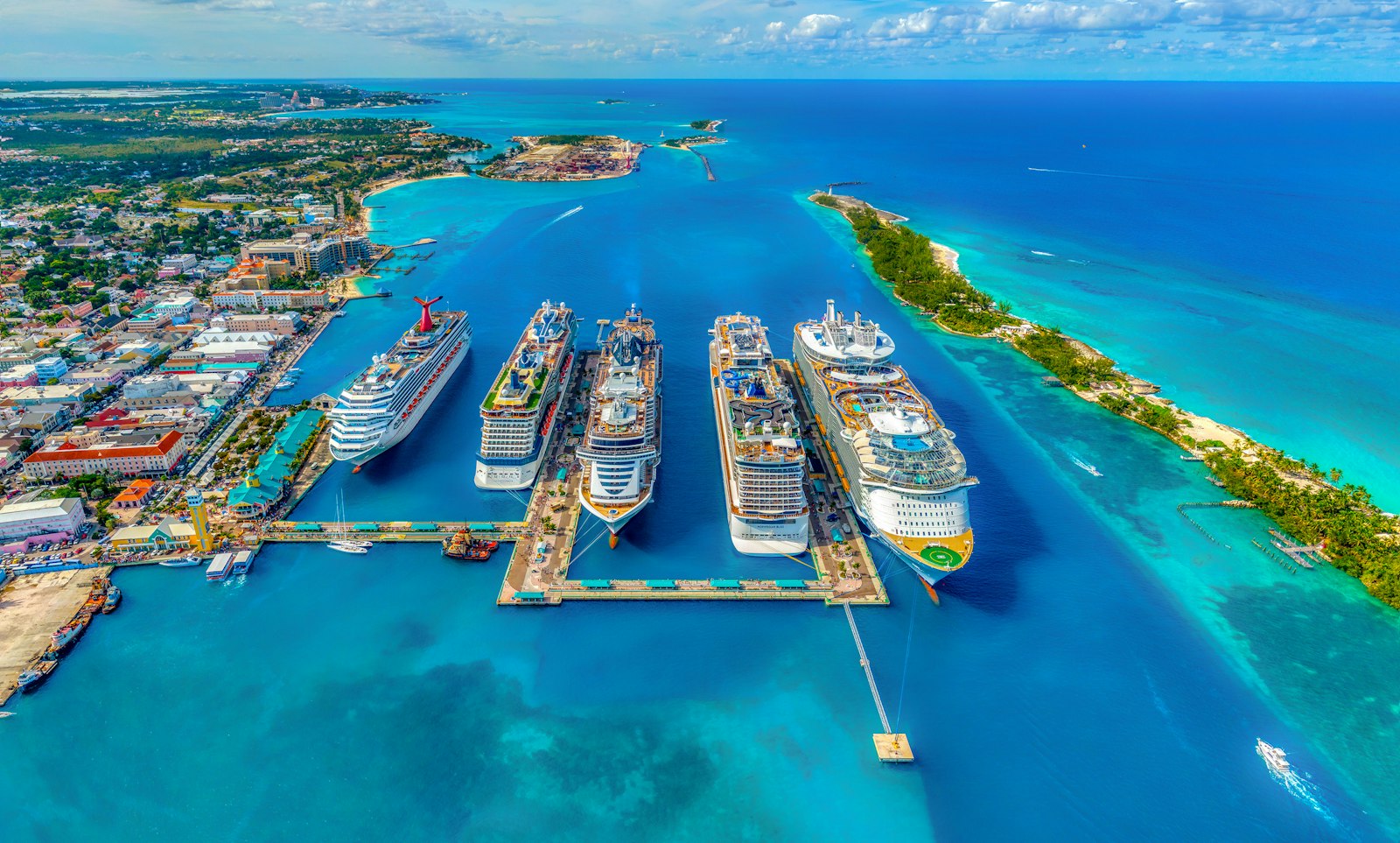
Cruise ship dining ranges from casual poolside snacks to multi-course chef's table experiences — understanding how the system works before you board means better meals, fewer surprises on your final bill, and no scrambling for a reservation on formal night.
The Core Concept: Included vs. Extra-Cost Dining
Every major cruise line divides its onboard restaurants into two broad categories: venues covered by your base fare and specialty restaurants that carry an additional charge. The split varies significantly by cruise line, ship class, and even itinerary, so knowing which side each venue falls on is the first thing to sort out before you sail.
As a general rule, the main dining room, the buffet, and a handful of casual outlets are included. Specialty restaurants — steakhouses, sushi bars, chef's table experiences, and themed bistros — typically cost extra, either as a flat cover charge per person or as a prix-fixe menu fee. Some lines also charge for premium beverages, fresh-squeezed juices, specialty coffees, and bottled water even in included venues.
The Main Dining Room
The main dining room (MDR) is the social and culinary anchor of most ships. It is nearly always included in your fare and serves breakfast, lunch on sea days, and dinner every evening. Menus rotate daily, with a mix of classic dishes and regional or themed options tied to the itinerary.
Dinner in the MDR tends to be a more formal, sit-down affair with multiple courses: appetizer, soup or salad, entrée, and dessert. Service is generally attentive because your waitstaff team is typically assigned to your table for the entire voyage — a tradition that many cruisers genuinely enjoy.
Traditional Seating vs. Flexible Dining
Cruise lines typically offer one of two MDR dinner structures:
- Traditional (fixed) seating: You are assigned an early or late dinner time — often around 6 p.m. or 8 p.m. — and the same table each night. Great for routine and building rapport with tablemates and staff.
- Flexible (anytime) dining: You choose when to show up within a broad dining window, though peak hours can mean a short wait. Reservations are usually accepted and recommended.
Many ships now offer a hybrid, with some MDR sections reserved for each style. Book your preference early — demand for specific arrangements can be high on popular sailings.
The Buffet
The ship's buffet — often called a Marketplace, Lido Deck, or Windjammer depending on the line — operates the longest hours of any venue, frequently from early morning through late evening. It is almost universally included and covers every meal plus afternoon snacks.
Quality and variety have improved considerably across the industry. Expect carving stations, international food stations, dedicated salad and dessert sections, and a rotating daily theme. The buffet is especially useful for early-morning port days when you want to grab food quickly and get off the ship.
Peak times — roughly 8–9 a.m. for breakfast and noon–1 p.m. for lunch — can be crowded. Arriving slightly before or after the rush makes the experience noticeably more comfortable.
Casual and Poolside Venues
Most ships supplement the MDR and buffet with a handful of casual outlets, typically included in your fare:
- Pool grills: Burgers, hot dogs, fries, and similar grab-and-go fare served near the pool deck.
- Pizza stations: Many ships run a dedicated pizza counter with extended or even 24-hour hours.
- Café and deli counters: Sandwiches, salads, and light bites, often available mid-afternoon when the MDR is closed.
- Ice cream stations: Self-serve soft-serve is a fixture on family-friendly ships; premium hand-scooped options may carry a small charge.
Room service is a separate consideration. Many lines offer a basic continental selection at no charge but apply a delivery fee for hot meals or late-night orders. Check your line's current policy when booking.
Specialty Restaurants
Specialty dining is where cruise ships flex their culinary ambitions. These restaurants are smaller, more intimate, and purpose-built around a concept — a proper steakhouse, an omakase sushi counter, a French brasserie, a farm-to-table tasting menu.
The extra cost takes different forms depending on the line:
- Cover or service charge: A flat per-person fee that covers the full meal.
- À la carte pricing: Less common, but some venues charge per dish.
- Dining packages: Pre-purchased bundles that give you access to a set number of specialty restaurants at a discounted combined rate — often the best value if you plan to dine specialty more than once.
Book specialty restaurants as soon as your reservation opens — on sea-day-heavy itineraries or holiday sailings, popular venues sell out weeks before departure.
Beverage Packages and Drink Costs
Beverages are a significant part of the dining equation on most cruise lines. Included beverages typically cover water, iced tea, lemonade, drip coffee, and hot tea in dining venues. Alcohol, specialty cocktails, fresh juices, premium coffees, and sodas are usually charged separately unless you have a beverage package.
Beverage packages — prepaid bundles covering all or a category of drinks — are marketed heavily and can represent good value for regular drinkers, but they are not automatically cost-effective for everyone. Calculate your realistic daily consumption honestly before purchasing. Many lines also sell non-alcoholic-only packages for a lower flat rate.
Dietary Needs and Special Requests
Cruise ships serve thousands of guests simultaneously, and reputable lines are genuinely experienced at accommodating common dietary requirements. Vegetarian and vegan options appear on most MDR menus as a matter of course. Gluten-free, kosher, halal, and allergen-aware meals require advance notice — typically submitted through the cruise line directly when you book or at least several weeks before sailing.
Once on board, introduce yourself to your MDR head waiter on the first evening. They can walk you through the next day's menu in advance so your meal is prepared correctly from the start rather than modified at service. For specialty restaurants, mention your needs when making the reservation.
Dress Codes by Venue
Dress codes vary by cruise line — luxury lines tend toward more formal expectations while contemporary mass-market lines have relaxed considerably. A general framework:
- Buffet and poolside outlets: Resort casual at all times; cover-ups required away from the pool deck on most ships.
- Main dining room, casual nights: Smart casual — collared shirts, blouses, sundresses. Swimwear and tank tops are typically not permitted.
- Main dining room, formal nights: Suit or jacket for men; cocktail dress or equivalent for women. Some lines have softened this to "dress to impress."
- Specialty restaurants: Generally smart casual to semi-formal; check the specific venue's policy.
Formal nights usually occur once or twice on a seven-night itinerary. If you prefer not to dress up, most ships offer the buffet and casual alternatives as a no-judgment option.
Gratuities and Service Charges
Gratuities for dining staff are typically handled through the line's automatic daily service charge or gratuity program, which is added to your onboard account. The amount and structure differ by cruise line. Some luxury lines include gratuities in the base fare entirely; others add a daily per-person charge; a few leave tipping entirely to your discretion.
In specialty restaurants, an additional service charge may be included in the cover fee or added separately. Review your onboard account statement mid-cruise to avoid end-of-voyage surprises.
Making the Most of Dining Packages and Perks
If your booking comes with a promotional dining credit or free specialty dining night — common during promotional periods — use it strategically. Reserve the most expensive or hardest-to-book specialty venue first. Dining packages bought in advance are almost always cheaper than the same restaurants purchased individually on board.
Loyalty program members often receive complimentary specialty dining nights, priority reservations, or discounts. If you sail a particular line regularly, check your tier benefits before paying out of pocket. You can track your cruise bookings, loyalty tiers, and pre-sail to-do lists in one place using My Travel Hub on TravelerPulse.pro.
Frequently Asked Questions
Can I eat at the specialty restaurants every night?
Yes, on most ships there is no restriction on how often you visit a specialty restaurant — you simply pay the applicable charge each time, or exhaust your dining package credits. A few ultra-luxury lines include all specialty dining in the base fare with no limits at all.
What if I have a severe food allergy?
Notify the cruise line in writing before you sail and confirm your allergy details directly with dining management on embarkation day. While cruise ships take allergen requests seriously, no food environment can guarantee zero cross-contamination. Guests with life-threatening allergies should carry any necessary medication (such as an epinephrine auto-injector) and discuss protocols with the ship's medical team upon boarding.
Is room service really available 24 hours?
Many ships advertise 24-hour room service, but the menu available overnight is often a reduced selection compared to daytime hours. Delivery fees and availability windows vary by line and ship. Confirm the specifics in your cruise line's app or the onboard daily program once you board.
Do children eat free at specialty restaurants?
Policies vary widely. Some lines charge children the same cover fee as adults, others offer a reduced children's price, and a few waive the charge for young children entirely. Check with your cruise line when booking, especially if you are planning a specialty dinner as a family occasion.
Conclusion
Cruise dining is genuinely one of the pleasures of a sea voyage — the variety, the convenience, and the quality available even at the included level have improved steadily across the industry. The key to eating well is simple: understand what your fare covers, book specialty restaurants and MDR seatings early, communicate any dietary needs in advance, and resist the pressure to purchase every add-on before you know your preferences. A little planning turns the onboard dining scene from an afterthought into one of the highlights of your trip.
For more on planning your full cruise experience — from port arrivals to shore excursions — explore the Cruises & Water Travel section on TravelerPulse.pro.