 Translate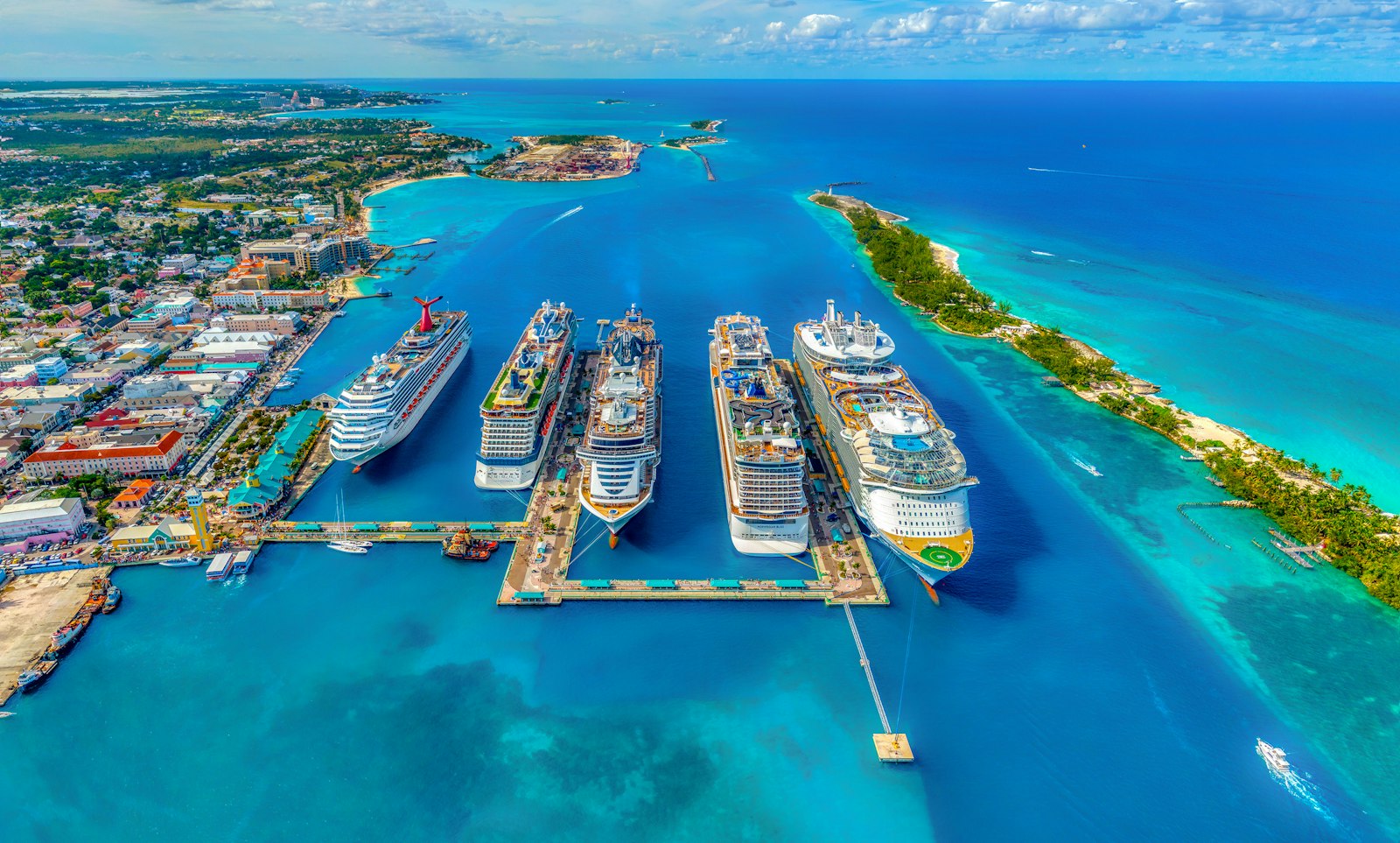
Choosing a cruise means matching a vast, complex product to your personal travel style — this guide breaks down every major decision so you can cut through the noise and find the sailing that's genuinely right for you.
The cruise industry offers an almost overwhelming range of options: ocean liners carrying thousands of passengers, small expedition ships nudging into Arctic fjords, luxury yachts with butler service, and river boats gliding past medieval villages. The right choice depends on your budget, your tolerance for crowds, the destinations you want to reach, and how you prefer to spend your days at sea. Work through each consideration below and the decision becomes much clearer.
Understanding the Major Cruise Categories
Cruise lines broadly segment into a handful of styles. Knowing which category fits your expectations is the single most important first step.
- Contemporary / Mass-Market: Large ships, competitive pricing, wide entertainment and dining variety. Best for families, first-timers, and travelers who want plenty of onboard activity.
- Premium: A step up in food quality, service ratios, and cabin finishes, without the full luxury price tag. Popular with frequent cruisers who want more polish.
- Luxury / Ultra-Luxury: Small ships, high staff-to-guest ratios, inclusive pricing (alcohol, gratuities, excursions sometimes bundled), and refined cuisine. Suited to experienced travelers willing to pay for a quieter, more personal experience.
- Expedition / Adventure: Purpose-built vessels with ice-strengthened hulls, Zodiacs for shore landings, and onboard naturalists or historians. The right tool for Antarctica, the Galápagos, remote river deltas, or Arctic Norway.
- River Cruising: Flat-bottomed ships holding 100–200 passengers, intimate onboard atmosphere, and itineraries that stop in city centers rather than distant ports. Europe, Southeast Asia, Egypt, and the Amazon are popular river routes.
- Themed and Specialty: Everything from music-focused sailings and culinary voyages to adult-only ships and LGBTQ+ charters. Check what's on offer if you have a specific passion.
Ship Size: How It Shapes Your Experience
Ship size affects almost everything — crowd levels, port access, onboard amenities, and the feeling of the voyage itself.
- Mega-ships (2,500+ passengers): Waterslides, ice rinks, multiple specialty restaurants, and Broadway-style shows. These ships can feel like floating resorts. They generally dock at large purpose-built cruise terminals rather than in historic city centers.
- Mid-size ships (700–2,500 passengers): A balance of amenities and manageability. More ports accessible, slightly easier to navigate onboard.
- Small ships (under 700 passengers): Access to ports that larger vessels cannot enter — remote Greek islands, Norwegian villages, smaller Caribbean anchorages. Less entertainment infrastructure but a more relaxed, community feel.
- Expedition vessels (under 200 passengers): Maximum destination access, naturalist-led activities, and a focused sense of purpose. Little emphasis on entertainment.
Picking Your Itinerary and Region
Destination should drive your decision early in the planning process, not as an afterthought.
Consider how many sea days versus port days suit you. Transatlantic crossings and some longer Pacific routes involve multiple consecutive days at sea — enjoyable if you love the ship itself, potentially restless if you crave constant new scenery. Caribbean itineraries typically alternate port and sea days. European river sailings dock almost every night.
Look at the ports themselves. A seven-night Caribbean itinerary might visit five islands or spend two days in a single destination. Neither is inherently better, but the tempo is very different. Similarly, a Mediterranean cruise calling at Rome, Barcelona, and Athens will show you the gateway ports; you may need two or more nights in each city to feel satisfied — in which case a land extension or a different itinerary deserves consideration.
Season matters enormously. Hurricane season affects the Caribbean. Winter brings the best wildlife visibility to Antarctica but is the off-season for Alaska. River levels influence itineraries in Southeast Asia and the Amazon. Always research the climate of your target region before booking.
Choosing the Right Cabin
Cabin category is one of the biggest budget levers available to you.
- Interior (no window): The most affordable option. Modern interior cabins are surprisingly comfortable. If you plan to spend most of your time in port or in public areas, an interior can be an excellent value.
- Ocean-View: A porthole or picture window adds natural light and a sense of connection to the sea. A meaningful upgrade for longer voyages.
- Balcony: The most popular choice for experienced cruisers. Private outdoor space is especially valuable on scenic routes — Norwegian fjords, Alaska's Inside Passage, the Danube.
- Suite: Significantly more space, enhanced service, priority embarkation, and sometimes access to exclusive restaurants or lounges. On luxury lines, suites may include all-inclusive perks.
Also consider cabin location. Lower decks and midship positions experience less movement in rough seas — useful if you're prone to seasickness. Cabins near elevators, nightclubs, or the pool deck may suffer from noise.
Decoding Pricing and What's Actually Included
The advertised cruise fare rarely tells the full financial story. Understanding what's included — and what isn't — is critical to accurate budgeting.
- Typically included: Accommodation, most onboard meals, entertainment, use of pools and fitness facilities, and port taxes (sometimes).
- Commonly extra: Alcoholic beverages, specialty restaurants, spa services, Wi-Fi, shore excursions, gratuities, travel insurance, and flights to and from the embarkation port.
- Luxury and expedition lines often bundle many of these extras into the base fare — compare total cost, not just the headline price.
Beverage packages, specialty dining packages, and Wi-Fi bundles are frequently offered at a discount if purchased before sailing. Run the numbers against your actual likely consumption before buying.
Gratuities deserve special attention. Many lines automatically add a daily service charge per person. Check whether this is included in your quoted fare or will be added separately at the end of the voyage.
Shore Excursions: Ship-Organized vs. Independent
Cruise lines offer organized excursions at every port, ranging from bus tours to adventure activities. They are convenient and typically guarantee you'll return to the ship on time. They are also usually more expensive than comparable independent arrangements.
Independent exploration — walking, using public transit, hiring local guides, or booking through third-party operators — often provides a richer, more flexible experience for travelers comfortable navigating on their own. The trade-off is that the ship will not wait if you're delayed. Build in a generous buffer before all-aboard time.
A hybrid approach works well: book ship excursions for complex logistical situations (transfers in remote areas, tender ports, or time-sensitive activities) and explore independently in straightforward city ports.
Solo Travelers, Families, and Groups
Cruises can work brilliantly for almost any travel configuration, but the right ship varies considerably.
- Solo travelers: Some lines offer solo cabins at no single supplement, while others charge a significant premium for single occupancy. Research this carefully before committing. Solo cruiser communities and meetups onboard are common on contemporary lines.
- Families with children: Large contemporary ships typically have supervised kids' clubs, teen areas, and family-friendly entertainment. Check age minimums — most lines have them — and the quality of children's programming before booking.
- Older travelers or those with mobility considerations: Look for ships with good accessibility — wider corridors, roll-in showers, elevator access to all decks. Check port accessibility too; some calls require tendering by small boat, which can be challenging.
- Groups: Cruise lines often offer group rates and amenity packages for parties of a minimum size. A travel agent experienced in group bookings can be valuable here.
Health, Documents, and Pre-Departure Preparation
Cruise travel involves international border crossings for most itineraries. Every passenger needs a valid passport; some nationalities require visas for specific ports of call even if not disembarking. Visit TravelerPulse.pro/visas for guidance on passport validity and visa requirements, and always verify with the official government immigration authorities of every country on your itinerary.
Health requirements vary by destination and can change. Expedition routes to regions like Antarctica, the Amazon, or parts of Africa may require specific vaccinations or medical documentation. Check with your physician and your country's official travel health advisory well in advance.
Travel insurance is strongly recommended for cruise travel. Medical evacuation at sea is extremely expensive, and trip cancellation policies for cruises can be strict. Look for a policy that covers cruise-specific scenarios including missed port departures and itinerary changes.
Booking Strategies: When and How to Book
Early booking generally secures the best cabin selection and sometimes the best price, particularly for popular sailings, holiday periods, and expedition routes with limited berths. Last-minute deals do exist — especially for mass-market lines filling unsold inventory — but cabin choice will be limited.
Consider working with a travel agent who specializes in cruises. Good cruise specialists have first-hand ship knowledge, relationships with cruise line representatives, and access to group amenity packages unavailable when booking direct. Their fee (if any) is frequently offset by the added value they provide.
Use TravelerPulse.pro's My Travel Hub to keep your booking confirmation, itinerary, excursion details, and embarkation port information organized in one place — especially useful on multi-leg journeys that combine a cruise with pre- or post-trip land travel.
Embarkation Day Tips
Arrive in your embarkation city at least one day before sailing, not the morning of departure. Flight delays, lost luggage, and ground transport issues are the most common reasons people miss their ship. Book accommodation near the cruise terminal if possible, and research transfer options in advance. Check the airport pages on TravelerPulse.pro for terminal information, ground transport, and parking at major cruise gateway cities.
Complete all online check-in, upload documents, and select your embarkation time window before you arrive. Most lines now require this, and doing it early reduces pier-side waiting time significantly.
Frequently Asked Questions
Is a cruise good value compared to a land-based vacation?
For many travelers, yes — particularly when you factor in that accommodation, meals, and entertainment are bundled into one price. The comparison shifts when you add excursions, drinks, and gratuities, which can substantially increase total spend. Build a realistic all-in budget rather than comparing the headline cruise fare to a hotel room rate.
What should I do if I'm prone to seasickness?
Choose itineraries with calmer waters (the Caribbean, the Mediterranean, river routes) especially for your first cruise. Request a lower-deck, midship cabin. Motion sickness remedies — patches, antihistamine tablets, acupressure bands — are available in various forms; consult your doctor before departure. Modern large ships have stabilizers that reduce roll noticeably.
How far in advance should I book a cruise?
For mainstream Caribbean and Mediterranean sailings, six to twelve months ahead gives good selection. For expedition voyages to Antarctica or the Galápagos, eighteen months to two years in advance is common for prime departures. Holiday sailings and world cruises sell early at every level of the market.
Can I negotiate the price or get upgrades?
Cruise pricing is dynamic. Prices fluctuate based on demand, time until sailing, and promotional periods. Many lines will honor a price drop if you rebook within a policy window — ask your agent or monitor prices after booking. Complimentary upgrades happen but are not guaranteed; bid-for-upgrade programs offered by some lines are a more structured way to move into a higher cabin category.
Making Your Final Decision
The best cruise is the one that matches who you are as a traveler — not the most expensive, not the most exotic, and not the one a friend recommended without knowing your preferences. Start with destination and travel style, narrow by ship size and cruise line category, validate the real all-in cost, and confirm the practical details around documents and health. Do that honestly and methodically, and you're very likely to come back from your sailing already planning the next one.



