Translate
Whether you're stepping off a plane in Tokyo, arriving by train in Paris, or landing in a mid-sized city you've never visited before, knowing your transport options before you hit the street is one of the smartest things you can do as a traveler.
Getting around a city efficiently — without overpaying, getting lost, or wasting hours — comes down to understanding what's available, what suits your itinerary, and what local travelers actually use. This guide walks through every major option, with honest pros and cons for each.
Start With a Transport Overview Before You Arrive
Every city has a different mobility ecosystem. Some are built for walking; others sprawl across dozens of kilometers and demand a car or extensive metro network. Before arrival, spend fifteen minutes answering a few basic questions:
- Is the city compact or spread out?
- Does it have a reliable public transit network?
- Is ride-sharing widely available and legal there?
- Are taxis metered and regulated?
- Is cycling infrastructure safe and practical?
City pages on TravelerPulse.pro list terminal layouts, nearby transit connections, and neighborhood overviews — a useful starting point when you're scoping out a new destination.
Metro and Subway Systems
In cities that have them, metro and subway networks are almost always the fastest and most cost-effective way to cover serious ground. Trains run on fixed schedules, bypass surface traffic entirely, and connect major attractions, business districts, and residential neighborhoods alike.
What to know before you ride:
- Most urban metro systems use rechargeable transit cards rather than single-use tickets — pick one up at the airport or main station on arrival to avoid queuing for tickets every trip.
- Peak hours (typically weekday mornings and evenings) can mean serious crowding. Traveling slightly off-peak makes a noticeable difference.
- Platform signage is often translated into English in major tourist cities, but downloading an offline metro map is always a smart backup.
- Some systems charge by distance; others charge a flat fare regardless of how far you travel. Know the model so you can budget accordingly.
City Buses
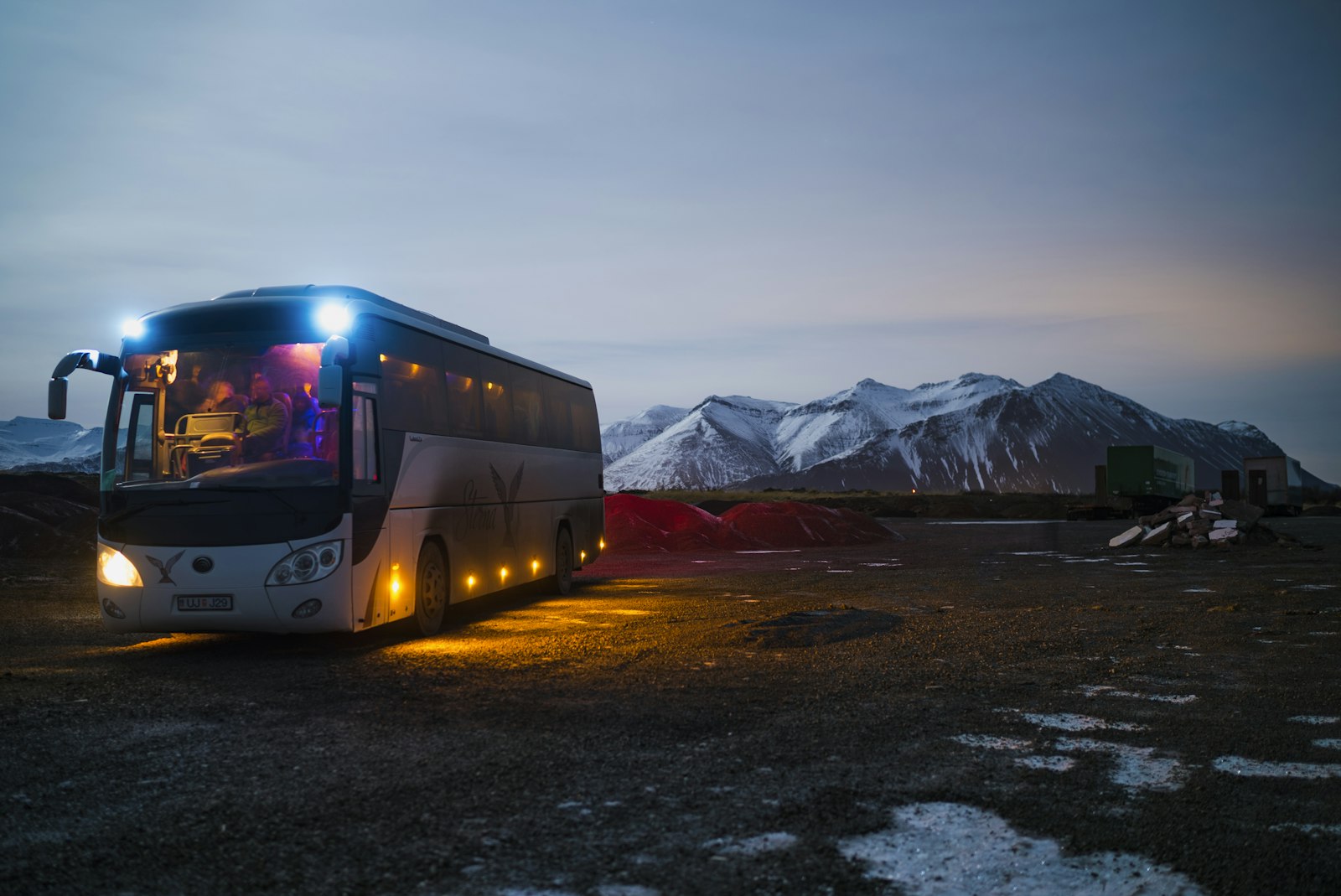
Bus networks reach neighborhoods and streets that metro lines simply don't. They're often significantly cheaper than taxis and can give you a ground-level view of a city that underground rail never offers. The trade-off is speed — buses are subject to traffic, and routes can be confusing to decode at first.
Many cities now publish real-time bus tracking through official apps or Google Maps, which removes much of the guesswork. If you plan to use buses frequently, look for day passes or transit cards that cover both bus and metro travel on a single fare system.
Taxis and Ride-Share Apps
Taxis and ride-sharing platforms (such as Uber, Lyft, Bolt, Grab, and dozens of regional equivalents) offer door-to-door convenience at a higher cost than public transit. They're particularly useful late at night, when carrying luggage, or when navigating areas with limited transit coverage.
Taxis: In regulated markets, metered taxis are generally safe and reliable. Always confirm the meter is running, or agree on a fare before you depart in markets where fixed pricing is standard. Avoid unmarked or unsolicited taxis, especially at airports.
Ride-share apps: Availability varies enormously by country and city — some destinations have embraced ride-sharing fully, while others have restricted or banned certain platforms. Check before you land which apps are active in your destination. Pricing is transparent upfront, which is a significant advantage.
Tip: In many cities, booking a ride from the official airport taxi stand — rather than accepting offers from drivers approaching you — is safer and often regulated at a fairer price.
Walking
It's easy to overlook walking as a legitimate transport strategy, but in dense, historic, or compact city centers, it is often the single best way to travel. You discover side streets, markets, and architecture that you'd miss entirely from a train window or the back of a car.
Before dismissing a route as "too far," check the actual walking time. Many travelers are surprised to find that a 2-kilometer walk through an interesting neighborhood takes twenty minutes and costs nothing. Comfortable shoes and an offline map are all you need.
Cycling and E-Bikes
Cities with good cycling infrastructure — dedicated lanes, flat terrain, and reliable bike-share schemes — can be explored brilliantly on two wheels. Bike-share systems operate in hundreds of cities worldwide, usually on a short-hire model where you pick up and drop off bikes at docking stations across the city.
E-bike rentals have expanded the appeal of cycling to travelers who might find hilly terrain or longer distances daunting. For a half-day or full-day exploration, a rented bike often beats public transit for both flexibility and enjoyment.
Safety note: Cycling infrastructure quality varies dramatically between cities. Research local conditions, always wear a helmet where available, and understand local traffic rules before heading out.
Trams and Light Rail
Trams are a middle ground between bus and metro — they run on fixed tracks (so routes are easy to follow) but operate on the street, giving you a feel for the city while still moving efficiently. Cities like Lisbon, Melbourne, Amsterdam, and Zurich are particularly well-served by tram networks that double as de facto sightseeing routes.
In many cities, trams are integrated into the broader public transit fare system, meaning a single transit card covers trams, buses, and metro travel interchangeably.
Ferries and Water Taxis
Coastal cities, island destinations, and river cities often have ferry or water taxi services that function as genuine transit, not just tourist attractions. In cities like Istanbul, Hong Kong, Sydney, and Stockholm, ferries serve commuters daily and provide some of the best views in the city as a bonus.
Check whether ferry services are included in the city's standard transit pass — in many cases they are, making them an underused but excellent option for travelers.
Car Rentals
Renting a car within a city is rarely the best choice — urban parking is expensive and scarce, traffic congestion is often severe, and local driving customs can be challenging to adapt to quickly. However, a rental car makes excellent sense if your itinerary extends beyond the city to rural areas, smaller towns, or attractions not served by transit.
If you do rent, research parking options in advance, understand local traffic regulations (including any low-emission zones that restrict older vehicles), and factor in the full cost including fuel, parking, and any applicable tolls.
Scooters and Motorbikes
In Southeast Asia and parts of Latin America and Southern Europe, scooter rentals are common and widely used by both locals and travelers. They offer flexibility comparable to a car at a fraction of the cost, and can navigate congested streets efficiently.
Risks are real, however. Road conditions, traffic culture, and accident rates vary significantly between destinations. Many travel insurance policies have specific exclusions around motorbike and scooter use — review your policy carefully before renting one. A valid license appropriate for the vehicle class is typically required and should never be ignored.
Choosing the Right Combination
Most experienced urban travelers don't rely on a single transport mode — they mix and match based on time of day, distance, weather, and purpose. A typical day might involve a metro ride to a neighborhood, a walk through it, a tram to the next area, and a ride-share home late at night.
Using My Travel Hub on TravelerPulse.pro to organize your day-by-day itinerary makes it easier to group nearby attractions and minimize unnecessary transit, saving both time and money.
Accessibility Considerations
Accessibility across city transport systems varies widely. Metro networks in older cities often have limited elevator coverage; buses in some cities have low-floor boarding and priority spaces, while others do not. Travelers with mobility considerations should research specific system accessibility in advance through official transit authority websites, which typically publish detailed accessibility maps and assistance services.
Frequently Asked Questions
Is public transit safe for tourists?
In the vast majority of cities worldwide, public transit is safe and used daily by millions of people. Standard precautions apply: be aware of your surroundings, keep valuables secure, and avoid displaying expensive items unnecessarily. Research any destination-specific advice before traveling, and consult your government's official travel advisory pages for up-to-date guidance.
Should I get a transit card or buy individual tickets?
If you plan to use public transit more than two or three times during your stay, a rechargeable transit card is almost always better value and more convenient than buying individual tickets. Many cities also offer tourist day passes with unlimited rides for a flat price — worth calculating against your expected usage before buying.
How do I figure out which ride-share apps work in a specific city?
A quick search for "ride-sharing apps in [city name]" before departure will surface which platforms operate locally. Uber has broad international coverage but is not available everywhere; regional alternatives often dominate in Southeast Asia, Eastern Europe, and parts of the Middle East and Africa. Download the relevant app and set up payment before you arrive so you're not troubleshooting it curbside.
What's the best transport option for airport transfers?
This depends entirely on the city. Many airports have direct rail or metro connections to the city center that are fast and affordable. Others rely primarily on buses, taxis, or private transfers. Check the airport's official website — or the airport page on TravelerPulse.pro — for specific transfer options, journey times, and approximate costs before you land.
Final Thoughts
No single transport mode wins everywhere. The best city travelers stay flexible, do a little homework before arrival, and treat navigating transit as part of the experience rather than an obstacle to it. Understanding your options — and having a backup when one falls through — means you spend less time stressed and more time actually seeing the city you came to explore.